A driverless taxi quietly watched two drunk 15-year-olds, then helped deliver them to the police — and that should make every American wonder who these cars really work for.
Story Snapshot
- Waymo used interior cameras to spot two teens drinking and firing a toy gun, then remotely stopped the car and called police.
- San Mateo officers treated it like a high-risk gun stop, later finding a black-painted Orbeez water-bead gun and open alcohol.
- Waymo’s rules already ban unaccompanied minors, and its policies allow live video access and sharing with law enforcement in “urgent” cases.
- The case highlights a growing issue: autonomous vehicles acting as rolling surveillance tools over kids, not just as ride services.
What Happened Inside the Waymo Ride
Two 15-year-olds in San Mateo, California ordered a Waymo driverless taxi and climbed in for what police later called a “joyride.” According to the San Mateo Police Department, remote Waymo staff watched live interior video and saw the teens drinking alcohol and passing a dark object back and forth. One teen was seen pointing it out the window, with clear recoil as it fired. That was enough for the operator to call 911 and report possible gunfire from the car.
Police say the teens were firing an Orbeez-style toy gun that shoots water beads, but the gun had been painted black, looking more like a real handgun. This matters in a world where officers must decide in seconds whether a threat is real. From the viewpoint of a remote worker watching a screen, and officers racing to the scene, the object looked dangerous. The teens were underage, had open alcohol in the car, and were using a projectile device in public traffic.
How Waymo Stopped the Car and Brought in Police
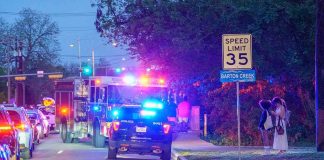
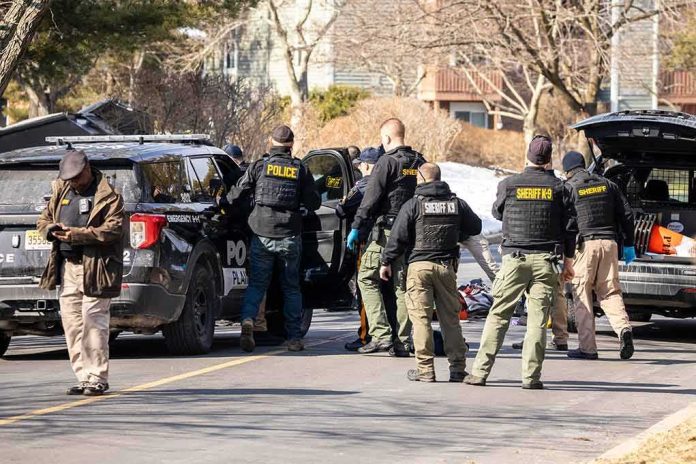
Waymo did more than just call the police. The company remotely disabled the vehicle and directed it into a parking lot, then told the teens there were “mechanical issues” with the car. That story kept the minors inside long enough for five San Mateo officers to arrive and perform what they called a high-risk traffic stop. Officers ordered the teens out at gunpoint, detained them, and then found the toy gun and alcohol once the situation was under control.
Waymo’s own rules say that no one under 18 is allowed to ride alone in California, which means this ride broke company policy from the start. Company policy also allows staff to access live interior camera feeds in urgent safety situations and to share data with law enforcement. Police later praised Waymo, saying choosing a driverless ride instead of driving drunk likely prevented a worse outcome on the road. The teens were not arrested; they were released to their parents while an open-container case is reviewed.
Robotaxis as Eyes and Ears of the State
This case hits a nerve because it shows how driverless cars can quietly watch and report people, especially kids. Legal scholars warn that autonomous vehicles now track location, record in-cabin video, and can build detailed “digital dossiers” on children’s lives. Parents may think they are buying a safe ride, but they may also be handing their kids over to a rolling camera system that can call the police when company rules are broken or behavior looks risky.
Police and major media outlets have mostly cheered Waymo’s actions, framing the company as a safety hero and not asking many hard questions about surveillance. Waymo, for its part, has stayed quiet and has not given a public explanation of this specific incident. That silence leaves law enforcement, local officials, and big media to shape the story alone. Many Americans on both the left and right already doubt whether powerful tech firms and government agencies respect their privacy. This kind of event feeds that worry.
New Rules, Old Fears About Government Overreach
California is now giving police more ways to control and punish driverless cars. Under new state rules, officers can ticket autonomous vehicles like Waymo even when no human is behind the wheel. Companies must also respond to police and fire calls within 30 seconds, tying their operations even more tightly to government demands. As more of these cars roll out, experts say officers will lean on company data and remote staff to handle stops and investigations.
Two 15-year-olds in San Mateo, California, climbed into a driverless Waymo and apparently decided the lack of a human driver meant a lack of supervision. They were wrong.
The teens started drinking alcohol inside the moving vehicle and began shooting Orbeez, water-filled gel… pic.twitter.com/7AExICGAMx
— TheFeedski (@TheFeedskiVids) July 9, 2026
Many Americans already feel the federal government serves elites, not regular citizens. When a private robotaxi can watch inside, stop itself, and hold minors for police, it looks like one more tool for the deep state, even if used in a real safety case. Conservatives worry about constant monitoring and soft control by big tech. Liberals worry about kids, minorities, and poor families being watched and punished more than helped. Both sides see a system where powerful players write the rules and regular people live under them.
Sources:
police1.com, latimes.com, abc7chicago.com, ktvu.com, lawreview.uchicago.edu