A routine traffic stop on a Milwaukee highway turned into a viral clash between a famous quarterback and a deputy, raising fresh questions about how quickly officers — and the media — label someone “drunk” based more on judgment than hard proof.
Story Snapshot
- Former NFL quarterback Tony Romo was arrested on a first-offense operating while intoxicated charge after leaving a golf course in Wisconsin.
- Body camera video shows Romo denying he had been drinking and challenging the deputy: “You think I’m drunk just because I’ve come from a golf course?”
- Reports say Romo performed poorly on field sobriety tests and later received a citation for refusing a post-arrest intoxication test, but no blood-alcohol number has been made public.
- The Milwaukee County District Attorney’s office classified the matter as a traffic violation, highlighting how low-level OWI cases can still bring high-profile reputational damage.
What Happened On Interstate 43
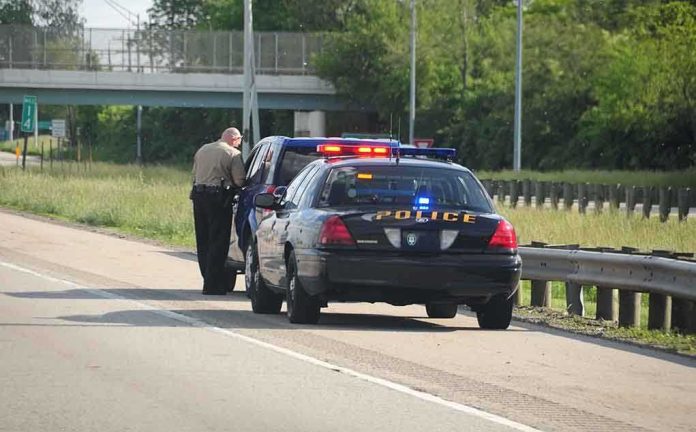
On the evening of July 23, former Dallas Cowboys quarterback and current television analyst Tony Romo was pulled over while driving south on Interstate 43 in Milwaukee County. He had spent the day at the Wisconsin Amateur Championship golf tournament, where he struggled and finished well over par. An arrest detention report says a deputy observed a traffic violation and then stopped Romo’s vehicle on the high-rise span of I-43 over the Menomonee Valley. Local outlets report he was booked into the county jail on a first-offense operating while intoxicated charge and released later that night.
According to the arrest report cited by several news organizations, Romo “performed poorly” on standardized field sobriety tests at the scene. These tests are simple balance and coordination exercises officers use when they suspect impairment. In body camera video later released, the deputy tells Romo he is under arrest for operating while intoxicated and moves him to a safer area to complete the tests. Romo was given a court date in September, and Wisconsin records classify a first OWI offense as a civil forfeiture, not a criminal misdemeanor, though the reputational impact can be serious.
Romo’s Pushback: “Because I’m Coming From a Golf Course…”
Body camera footage adds a human layer to the dry words in the arrest report. When first questioned, Romo tells the deputy he had “zero” drinks and that he is on his way to see his grandparents. After the deputy asks him to step out for sobriety tests, Romo resists at first and says he wants to call his lawyer. The video then captures him asking, “Do you think I’m drunk just because I’ve come from a golf course?” — a line that quickly spread online and framed the encounter as a dispute over assumptions.
Reports say the deputy noted a strong odor of an alcoholic beverage and red, glossy, bloodshot eyes, which are common signs officers associate with drinking. At the same time, none of the public documents or news accounts show a measured blood-alcohol concentration for Romo. Court records obtained by outlets in Texas and New York indicate he received a citation for refusing to take an intoxication test after the arrest, a move prosecutors can argue shows he knew a test might hurt his case. The Milwaukee County District Attorney’s office, however, described the matter as a traffic violation rather than a criminal charge, underlining how the legal system sees the case as low-level even while media headlines scream “DUI.”
Why This Case Hits A Nerve Beyond Sports
This arrest sits at a crossroads of several wider frustrations many Americans share. On one side, people who worry about drunk driving see a well-known figure allegedly failing field tests and refusing a chemical test, and they fear the rich and famous get gentle treatment others would not. On the other side, many citizens already mistrust how fast officers and reporters turn suspicion into public shame without full evidence, especially when there is no blood-alcohol number and the charge is technically a civil infraction.
CBS NFL Analyst and Former Dallas Cowboys Quarterback Tony Romo Arrested on Suspicion of OUI https://t.co/igkPL8DlB1
— World I Used To Know 🇺🇸 (@pccote6623) July 24, 2026
The pattern fits a broader concern about a justice system and media culture that feel more focused on instant judgment than careful truth. First, a short arrest report and a few officer observations become national news. Then body camera clips are edited and shared to drive clicks, with Romo’s single question — “Because I’m coming from a golf course, you think I’m drunk?” — turned into a symbol of the whole case. For many on both the right and the left, it reinforces a sense that powerful institutions, from law enforcement to sports networks, act fast to protect their own reputations while leaving ordinary people confused about what really happened and what standard of proof should apply.
Sources:
facebook.com, nytimes.com, espn.com, usatoday.com, nypost.com, chron.com, tmj4.com, yardbarker.com, youtube.com, foxnews.com, nbcsports.com