
President Trump’s new “Freedom Haulers” plan promises safer highways and more jobs for veterans, while deepening fears that Washington is quietly reshaping who gets to work and who gets kicked off America’s roads.
Story Snapshot
- Freedom Haulers is a federal campaign to move military veterans into trucking jobs and fast-track their commercial licenses.
- The initiative is tied to a wider crackdown on immigrant and non‑English‑speaking truck drivers removed from U.S. highways.
- Officials say veterans will get tuition‑free training, licensing waivers, and priority hiring to fill driver shortages.
- Supporters see a win for safety and veterans; critics see more power in federal hands to pick economic winners and losers.
What Freedom Haulers Actually Does
The Department of Transportation says Freedom Haulers is a first‑of‑its‑kind national campaign to recruit veterans into trucking. The program links the Department of Transportation, Veterans Affairs, Labor, and War so veterans can move from military service to driving big rigs with fewer steps. A new government website and ads walk veterans through training options, licensing rules, and job leads. The core promise is simple: if you drove heavy vehicles in uniform, Washington will help you do it for pay at home.
Under the plan, veterans who served at least three years can use Veterans Affairs education benefits to cover up to 100 percent of commercial driving school tuition at public colleges and technical schools. The campaign also highlights housing stipends and extra help for veterans with service‑related injuries who want trucking work. Officials frame this as a “patriotic hiring” push that both honors service and fills empty driver seats in an industry that often complains about shortages.
Fast‑Tracked Licenses and Safety Claims
A key part of Freedom Haulers is speeding up commercial driver’s licenses by treating prior military driving as proof of skill. Veterans who recently operated heavy military trucks can skip the road test through a Federal Motor Carrier Safety Administration waiver program. In some cases, veterans can even exchange a military license directly for a civilian commercial license without taking the usual written or road exams. Officials say this removes “redundant” testing while keeping other legal requirements in place.
The White House argues these waivers will not weaken safety but improve it. In its rollout, federal officials claimed veteran truck drivers have far fewer crashes and drive far more miles than non‑veteran drivers, though they did not publicly release the study behind those numbers. By expanding waiver eligibility from 12 to 24 months after leaving active duty, the administration says more former service members can take advantage of their recent training before skills fade. Supporters see this as common sense; skeptics worry that less testing plus political pressure could let weaker drivers slip through.
Crackdown on Immigrant Drivers and Public Concerns
Freedom Haulers does not exist on its own; it is paired with a strict federal push against what officials call “illegal alien” and “non‑English‑speaking” truck drivers. The administration has already overseen audits and enforcement actions that removed tens of thousands of immigrant drivers from the road for licensing violations, residency problems, or failing English rules. Fox News and other outlets report that the initiative is openly meant to replace those drivers with veterans who meet all federal standards. This twin track—help some, squeeze others—is what worries many Americans on both sides.
For conservatives, the idea of cleaning up unsafe licensing and backing veterans lines up with long‑held anger over lax border rules and bad regulation. For liberals, a program that celebrates veterans but links their jobs to immigrant crackdowns looks like another step toward dividing workers by status while Washington chooses winners and losers. Both groups share a deeper fear: a federal government that uses safety policy and job programs to expand control, reward allies, and punish those without power, instead of simply enforcing fair rules for everyone.
A Bigger Story About Government Power and Work
Freedom Haulers taps into long‑running problems in trucking and politics. Industry leaders often speak of a driver “shortage,” yet many studies and workers point instead to low pay, long hours, and poor treatment as the main reasons drivers quit. Making it easier for veterans to enter trucking may ease pressure for a while, but it does not on its own fix pay scales, time away from family, or rising fuel and living costs that squeeze drivers every day. Those deeper issues lie mostly in private business and weak oversight, not in veterans’ skills.
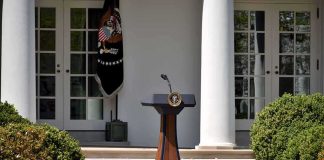
🚨FULL REMARKS: President Trump Makes an Announcement on Freedom Haulers
President Trump announces the FREEDOM HAULERS initiative — getting illegal alien truck drivers off American roadways and replacing them with PROUD AMERICAN VETERANS. pic.twitter.com/DDnlpqGmHO
— AJ Huber (@Huberton) July 30, 2026
This initiative also fits a broader pattern where Washington mixes technical rules with culture‑war fights. Commercial license standards, English‑language enforcement, and safety testing are normally dry regulatory topics. When they are linked to illegal immigration and patriotic branding, they become hot political weapons. Many Americans—liberal and conservative—already believe the “deep state” cares more about keeping control and helping insiders than about fixing the ground‑level economy. A program that decides which workers are fast‑tracked and which are pushed out will only fuel those doubts if results are not transparent.
What to Watch Next
So far, almost all detailed information about Freedom Haulers comes from the White House, the Department of Transportation, and their campaign site. Independent audits of the safety claims, waiver outcomes, and state participation have not yet been published. That means citizens who want real answers will have to look for hard numbers: crash rates for waiver users, job counts showing how many veterans are hired, and proof that new rules are applied fairly to all drivers, not just those who fit a favored political story.
Many Americans—right and left—agree that federal leaders talk a lot about helping workers but often end up helping themselves and their allies instead. Freedom Haulers could become a rare case where Washington improves safety, boosts veteran careers, and treats all drivers by the same clear standard. Or it could become one more example of a government that uses patriotic language to mask deeper control over who gets to chase the American Dream. The next months of data, not speeches, will tell which path we are on.
Sources:
youtube.com, transportation.gov, foxnews.com, freedomhaulers.dot.gov, washingtonpost.com