As Iran and the United States trade missiles over Gulf bases, both sides are telling very different stories about what was hit and who broke the ceasefire.
Story Snapshot
- Iran’s Revolutionary Guard claims it struck or destroyed dozens of U.S. sites in Bahrain and Kuwait in revenge for new American airstrikes.
- U.S., Bahraini, and Kuwaiti officials say almost all Iranian missiles and drones were intercepted, with no major damage to U.S. bases or casualties reported.
- President Trump has now declared the ceasefire agreement “over” and used harsh language for Iran’s leaders, signaling a deeper break in talks.
- Conflicting narratives and limited hard evidence leave citizens worldwide guessing what is true, while the risks to regional stability and energy supplies grow.
What Iran Says It Did In Bahrain And Kuwait
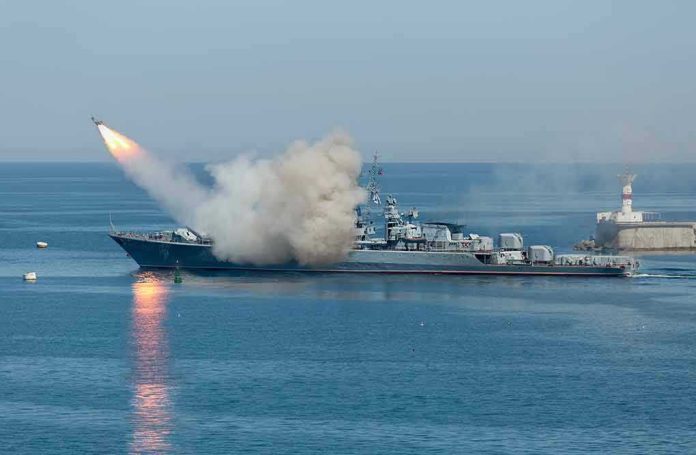
Iran’s Islamic Revolutionary Guard Corps said its naval and air forces carried out a large joint missile and drone attack against U.S. military sites in Bahrain and Kuwait. Iranian state media reported claims that eight U.S. military infrastructures were destroyed, including the Ali Al Salem Air Base in Kuwait and the U.S. Navy Fifth Fleet headquarters in Bahrain. Guard commanders framed the operation as direct retaliation for recent U.S. strikes on Iranian facilities along the southern coast and near the Strait of Hormuz.
Iranian statements also accused Washington of breaking the Islamabad ceasefire memorandum by hitting radar, air defense, and coastal surveillance sites inside Iran in the days before the Gulf strikes. Officials in Tehran argued that their attacks on what they call “American child‑killing command centers” were lawful self‑defense, not fresh aggression. Iran’s foreign ministry dismissed Western claims it had targeted commercial ships as “perplexing,” insisting it had honored its commitments until U.S. forces escalated.
How The U.S., Bahrain, And Kuwait Describe The Same Attacks
U.S. Central Command said American and partner air defenses intercepted multiple Iranian ballistic missiles and drones launched toward Kuwait and Bahrain, and that “all Iranian attacks on American forces failed.” A U.S. official told reporters there were no U.S. casualties and no major impact on American facilities across the region. Kuwait’s military reported intercepting two ballistic missiles and hostile aerial targets, with no injuries or damage to the base that hosts U.S. forces.
Bahrain’s government and interior ministry said missiles and drones fired toward the kingdom were intercepted or fell short, causing only minor structural damage to nearby buildings and infrastructure, and no deaths. U.S. Central Command described its own earlier strikes on Iranian sites as defensive, aimed at coastal surveillance radar, drone storage, and minelayer capabilities after Iran attacked commercial shipping and drones near the Strait of Hormuz. In this official view, Iran’s response is labeled “aggressive behavior” and an “unwarranted breach” of the ceasefire.
Trump’s Ceasefire Declaration And The War Of Narratives
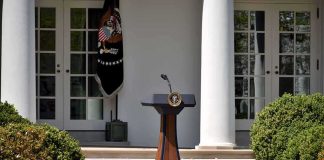
President Donald Trump has now publicly said the interim accord to end the Iran war is “over” after these latest Iranian strikes. At recent appearances, he has called Iran’s rulers “crazy” and suggested they were “slightly provoked” because U.S. forces “hit them pretty hard last night,” framing Iran’s moves as angry payback rather than justified defense. His words matter because they shape how much support he gets at home for more military action and sanctions, and they signal to Iran that Washington is no longer bound by earlier promises.
NATO’s secretary‑general and key Gulf partners have echoed Trump’s view, saying U.S. strikes were “absolutely necessary” and accusing Iran of violating the ceasefire, while Iranian leaders insist the opposite. Major outlets across the West lean toward the U.S. and Gulf narrative, often describing Iran as the aggressor without fully detailing earlier American operations inside Iran. At the same time, Iranian media and allied commentators present their strikes as proof that U.S. bases are vulnerable and that Iran can close or control the Strait of Hormuz when it chooses.
Why Ordinary People See A Rigged Game
For many Americans watching from home, this latest clash feels like more of the same pattern: elites trade fire and trade blame, while citizens get higher energy prices, more debt, and less truth. U.S. oil companies and Gulf state energy firms benefit from keeping Iran labeled a permanent threat, since that justifies a long‑term American military presence and continued sanctions that tighten global supply and drive prices up. Meanwhile, Iran’s rulers also gain by claiming big victories against U.S. bases, even when independent proof is thin, because it helps them rally support at home and silence critics.
🛰 CrawlHub · Frontline · 12h Brief
Jul 08The US launched renewed strikes against Iran tonight, targeting military installations and critical infrastructure in southern Iran, including Bandar Abbas, Sirik, Chabahar, and Bushehr. This escalation follows Iran's reported attacks… pic.twitter.com/0MSikvmTJu
— CrawlHub (@TheCrawlHub) July 8, 2026
Social media platforms amplify this divide. Algorithms tend to boost official U.S. and allied government posts and major Western news clips, while Iran’s own statements often reach fewer users or get flagged as propaganda. At the same time, neither side has yet released clear satellite images or verifiable video showing destroyed American facilities or proving there was no serious damage, leaving the public stuck between clashing press releases and talking heads. In a country where many already feel the “deep state” and big money shape war and peace, another murky episode like this only adds to the sense that ordinary people are being kept in the dark.
Sources:
thegatewaypundit.com, nypost.com, reuters.com, bbc.com, nytimes.com, aljazeera.com, cnn.com, abcnews.com, youtube.com, aa.com.tr, scmp.com, instagram.com, centcom.mil