
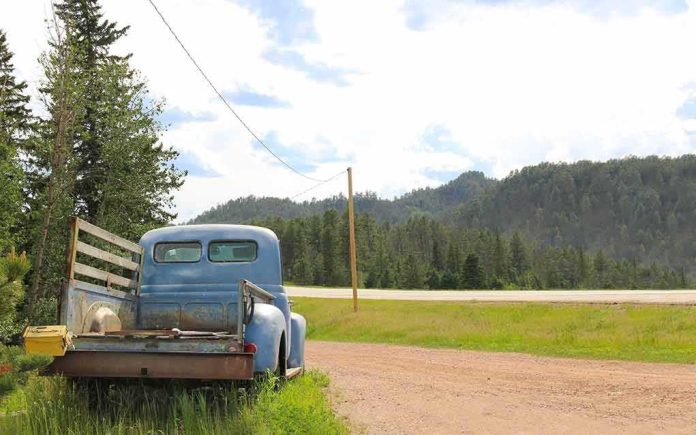
Americans are quietly turning aging pickup trucks into a $15 billion statement about money, freedom, and distrust of the modern auto industry.
Story Snapshot
- Pickup owners spent about $15 billion upgrading older trucks instead of buying new ones
- New full-size pickups now average over $66,000, pushing many buyers out of the market
- The average vehicle on U.S. roads is nearly 13 years old and still aging upward
- Older trucks cost more to maintain, yet many owners see them as a better long-term bet
Americans Are Choosing Old Trucks Over New Debt
Truck culture in America has not faded; it has hardened. Owners still want a pickup in the driveway, but more of them now refuse the price tag that comes with a brand-new model. Industry data shows that in 2025, truck owners spent over $15 billion modifying and accessorizing their pickups for off-road use, work, and recreation instead of simply trading them in and starting fresh. That spending proves a clear point: people would rather rebuild what they own than sign up for another giant loan.
Sticker shock drives much of this trend. A Kelley Blue Book report finds the average price paid for a full-size pickup hit $66,386 in late 2025. Many everyday buyers now see new trucks as luxury items, not tools. Long loan terms, high interest, and rising insurance turn a basic work rig into a mortgage-sized commitment. Conservative-minded Americans especially view that as reckless, and they respond in the most practical way possible: they keep the truck they have and make it work longer.
An Aging Fleet That Refuses To Die
The shift to older trucks sits inside a bigger pattern. Analysts report the average vehicle on U.S. roads reached about 12.8 years in 2025 and is still climbing toward 13 years by the end of this decade. Trucks skew even older than cars, meaning many pickups still working today rolled off the line before smartphones did. That age is not just nostalgia. It reflects millions of families who decided that holding on to paid-off metal beats chasing the latest gadget-filled model.
Older trucks do not come cheap to keep alive. Fleet benchmark data shows vehicles more than ten years old consume about a third of maintenance spending while making up less than a fifth of fleet capacity. One analysis estimates those aging assets cost around $1.10 per mile to maintain, compared with about $0.20 for newer vehicles. Those numbers underline a hard tradeoff: operating costs rise with age, but they still can undercut the crushing total cost of a new truck once financing, insurance, and depreciation are factored in. Many owners see that math clearly and choose the lesser pain.
The Aftermarket Economy Built On Old Iron
The aftermarket industry has rushed in to serve this new mindset. The Specialty Equipment Market Association’s research shows parts for pickups now drive roughly 30 percent of accessory and performance sales, with over $15 billion spent upgrading trucks in a single year. Shops across the country thrive on lift kits, heavy-duty suspensions, towing upgrades, rebuilt drivetrains, and rust repair. This is not just cosmetic. These investments stretch the functional life of trucks that once would have been scrap, turning them into long-term assets that still earn their keep.
That spending also reflects values. Many owners dislike the complexity, constant software updates, and subscription fees baked into modern vehicles. They prefer older trucks with simpler engines and fewer electronics. From a conservative point of view, that preference makes sense. People want machines they can understand and fix, not rolling computers that need factory permission for every change. When they pour money into a 15-year-old pickup, they are buying more than parts. They are buying control.
Winners, Losers, And What Comes Next
This turn toward aging pickups creates clear winners and losers. Independent repair shops, parts makers, and used-truck dealers benefit from steady demand. The North American used pickup market already sits above $17 billion and is projected to grow for years. On the other side, new-truck sales teams face more resistance, especially from retired and working-class Americans who no longer accept $70,000 price tags as normal. Some commentators claim dealers are panicking as these buyers walk away from new inventory.
Millions of Americans No Longer Want $85,000 Pickup Trucks — And They Ex… https://t.co/oL7dt0UhRl via @YouTube
— Gerald Minor (@gfminor70) August 1, 2026
The long-term question is how far this can go. As trucks age further, repair costs will keep climbing, and some models carry brutal maintenance bills over a decade. At some point, economics will push a share of owners back toward newer designs. Yet the core signal is already strong. Given the choice between debt and grease, millions of Americans are picking grease. They are turning aging pickups into rolling proof that common sense still exists, even if the new-truck market has forgotten what that looks like.
Sources:
carbuzz.com, youtube.com, msn.com, foxnews.com, moneydigest.com, truckinginfo.com, bts.gov, linkedin.com