Four American tourists were among six people killed when a suspected gas blast leveled a building steps from Athens’ Acropolis, turning a busy historic block into a disaster zone.
Story Highlights
- Six people died after an explosion collapsed a two-story building in Athens’ Plaka district.
- Four Americans were among the victims, confirmed by the U.S. State Department.
- Athens’ mayor said the blast was likely linked to gas infrastructure; a full probe is underway.
- Rescuers used dogs, cameras, and sensors to recover the bodies from the rubble.
What Authorities Confirmed So Far
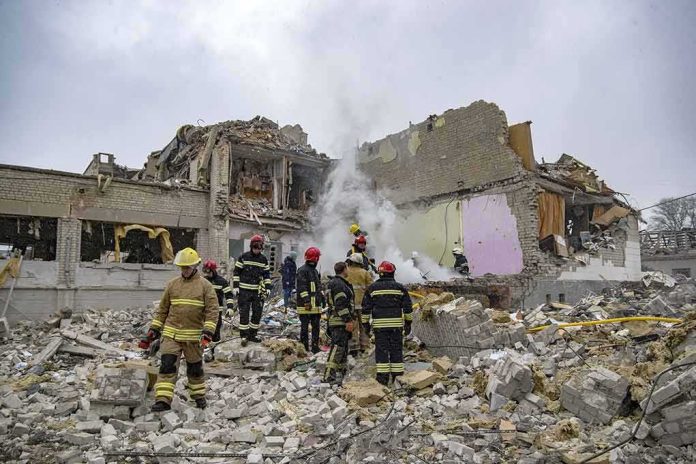
Greek fire officials said six people died after a two-story residential building collapsed in Plaka on Friday, a short walk from the Acropolis. Emergency crews searched the wreckage through the night and recovered all six bodies. The Athens mayor linked the blast to gas infrastructure while investigators worked to confirm the exact cause. The area is a top tourist spot with homes, shops, and short-term rentals packed into narrow streets.
The United States State Department said four of the dead were American citizens. Greek and U.S. officials coordinated next steps for identification and family outreach. Local media showed damage to nearby buildings and cars, along with debris across cobblestone lanes. The blast shocked morning crowds and shopkeepers in the old city. Initial reports from national and international outlets pointed to a suspected gas issue, pending the final engineering and safety findings.
How The Explosion Unfolded In A Dense Historic District
Reporters and witnesses described a powerful blast that tore through the structure and brought it down in seconds. Plaka’s tight layout and old buildings made the scene hard to reach, slowing heavy equipment and complicating searches. Rescue teams used dogs, cameras, and sensors to find victims under unstable walls and heavy stone. Two people in a neighboring building were rescued and treated, according to early wire reports from the scene.
Major outlets said authorities were cautious about final blame while the probe continued. The Associated Press reported the cause was not immediately clear, which is common in urban blast cases. Early attention centered on a gas leak because of the pattern of damage and location. That matches how big city incidents often develop: rescue first, forensics next, with engineers, fire investigators, and utility experts confirming cause later.
Why This Matters For Traveler Safety And City Infrastructure
This tragedy raises hard questions about gas lines, inspections, and safety in older tourist hubs. Cities with historic cores face trade-offs: charm and density can hide aging pipes and crowded utility runs. Local leaders signaled a full investigation into the gas network and building systems. For travelers and residents, clear safety checks, better leak detection, and fast reporting can save lives. Officials said they will share results once investigators finish their work.
Four American tourists among 6 killed yesterday after a suspected gas explosion leveled a building in Athens’ Plaka district, at the foot of the Acropolis.
Two couples were staying in a short term rental and due to fly home Friday.
Prayers for the families.
Such a tragedy and… pic.twitter.com/Gxe0Ww3e62— Gina Beana Fofina (@Ginasassyass) September 27, 2026
Families in the United States and Europe are grieving loved ones who expected a simple holiday morning near a world landmark. People across the political spectrum often feel leaders talk about safety but react only after disaster. This case tests whether authorities will act on known risks in old districts, not just issue press releases. Transparent findings, real upgrades, and steady enforcement are the steps that prevent the next blast.
Sources:
thegatewaypundit.com, www-cdn.abcnews.com, cbsnews.com