A Florida sheriff says deputies spent over 90 minutes trying to talk down an armed Army veteran before shooting him, and now four agencies are investigating what went wrong.
Story Snapshot
- Deputies negotiated with an armed, suicidal man for about 90 minutes before the shooting, officials say.
- Four entities, including the Florida Department of Law Enforcement, opened investigations; deputies are on leave.
- The sheriff says the man took an aggressive stance with a gun pointed toward deputies, prompting fire.
- The case renews focus on crisis training and how it works when a firearm is present.
Deputies Confront Armed Suicidal Veteran After Lengthy Negotiations
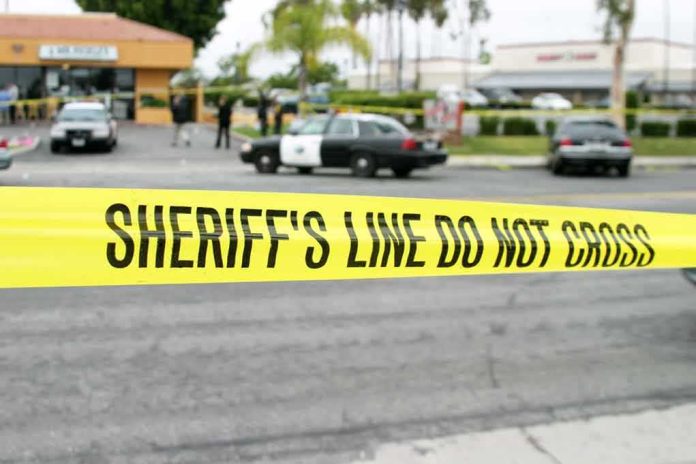
Palm Beach County Sheriff’s Office leaders said deputies negotiated with David Senfeld, an Army veteran, from about 9:55 p.m. to 11:29 p.m. at a shopping plaza near Boca Raton. The agency said Senfeld was armed and threatening suicide. Sheriff Ric Bradshaw said deputies tried for more than 90 minutes to end the crisis without force. The sheriff’s office reported that when Senfeld raised his gun toward deputies, they fired, killing him at the scene.
Sheriff Bradshaw said the rounds that struck a sheriff’s vehicle were still under review, and he stated Senfeld did not fire at deputies. That left investigators to determine the source and timing of those impacts. The sheriff’s office did not release the names of the deputies involved. The agency placed the deputies on administrative leave, which it described as standard protocol after shootings while reviews are underway.
Multiple Reviews Aim to Establish What Happened and Why
The Florida Department of Law Enforcement, the Palm Beach County State Attorney’s Office, the sheriff’s Violent Crimes Division, and the sheriff’s internal reviewers all opened investigations. These reviews will gather interviews, video, and forensic evidence. Officials did not release body camera video or detailed logs as of the initial reports. Final findings will determine if the force met Florida law and department policy, according to standard investigative steps in such cases.
The investigative agencies will examine ballistics, scene diagrams, and radio traffic to confirm the sequence of events. Those materials can show when the deputies fired and where each round landed. They can also clarify how the negotiation unfolded, which offers context for use-of-force decisions. Officials emphasized the extended effort to resolve the encounter peacefully before the fatal shots were fired that night.
Crisis Training Claims and the Limits When a Gun Is Present
The sheriff’s office highlighted its behavioral health programs. Leaders said they provide de‑escalation training for deputies, dispatchers, and jail staff. A county official described instruction on how to talk with people in crisis to prevent violence. Florida’s basic academy includes classroom hours on mental health and crisis response, while a separate Crisis Intervention Team course adds advanced skills. These programs aim to reduce force and guide safer outcomes when possible.
Research on Crisis Intervention Team training shows mixed results. Some studies report that trained officers use less force and rely more on verbal methods. Other reviews find no clear, consistent drop in force across departments. Experts agree that outcomes often hinge on local policies, community services, and the facts on the ground. When a person has a firearm, safety rules narrow options fast, and officers may face a split‑second choice.
Why This Case Resonates Across the Political Spectrum
This shooting ties to a broader concern many Americans share: public systems often struggle with mental health crises. Families want swift, humane help that keeps people alive. Officers want tools and staffing that match complex situations. Voters on the right and left question whether leaders invest in front‑line training, clear rules, and real community treatment. This case tests those promises, because the veteran still died after a long attempt to defuse the danger.
Officials said the investigations will decide if the response followed the law and policy. Those findings can answer core questions and guide any changes to training or tactics. Until the reviews close, the sheriff’s office points to the long negotiation and a reported gun threat as the factors that led deputies to fire. Communities will be looking for evidence that shows each step and supports the final call on what was justified that night.
Sources:
military.com, palmbeachpost.com, wptv.com, cbs12.com, tapinto.net, wpbf.com, sun-sentinel.com, delraybeachnews.org, tandfonline.com, college.police.uk, jaapl.org, pmc.ncbi.nlm.nih.gov