A push to make Tina Peters a federal election security advisor is colliding head-on with her Colorado felony convictions and a fresh commutation that freed her early, sharpening a national test over who should guard America’s vote.
Story Snapshot
- Supporters urge the White House to tap Tina Peters for an election security role despite her convictions.
- Colorado’s governor commuted her sentence, but her convictions remain on the books.
- Colorado officials say her actions compromised county election equipment and exposed passwords.
- The fight underscores a real risk: insiders can bypass controls even without proof votes were changed.
What Sparked The New Push
Calls on social media urged senior White House aides to consider Tina Peters for a national election security advisory role. Those posts framed her as a watchdog who exposed problems. The campaign arrives after years of legal fallout from Mesa County. It now puts a local case into the federal spotlight. It also forces a hard question: should a person convicted for breaching rules advise on those same rules?
Supporters point to the 2021 incident where Peters enabled outside access during a software update in Mesa County. They argue the breach revealed weak controls and insider risks. Detractors counter that she broke laws and spread claims not backed by court findings. Both sides agree on one point: election systems rely on people, and people can be the weakest link. That is why this debate carries national weight.
The Legal Record And The Commutation
A Colorado jury convicted Peters of multiple felonies and misdemeanors tied to unauthorized access, impersonation, and violations of election duties. The Colorado Court of Appeals upheld the conviction and sent the case back for resentencing, rejecting key defense arguments. Governor Jared Polis later commuted her sentence, shortening her time and making her eligible for parole. The commutation did not erase the convictions, which remain in effect.
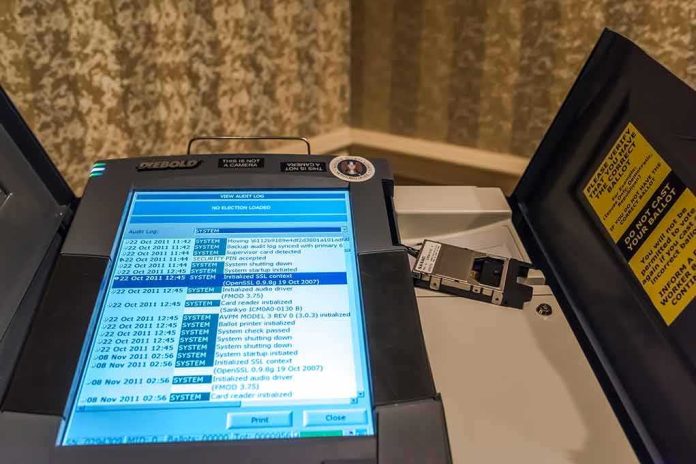
Colorado election authorities say the Mesa County equipment was compromised and had to be decertified, adding costs and work for local officials. They say surveillance cameras were shut off before the update and that confidential passwords later appeared online. Prosecutors described a plan that used another person’s identity to bring an outsider into a secure area. Those actions, the state argues, broke trust and spread sensitive data.
What The Incident Proved—and What It Did Not
Evidence in the public record supports a narrow claim: insider access and poor credential controls can expose systems. Peters’ case shows how an official can sidestep procedures and leak passwords. But the record does not show that votes were changed or that tabulation outcomes were altered. The state’s case focused on unlawful access and disclosure, not on proven manipulation of results. That gap defines today’s policy fight over her potential role.
Election security research warns that trusted insiders are a major risk. Studies separate insider, physical, and cyber threats and place insiders near the top. Those findings match the Mesa County facts: a badge, a secure room, and a process window enabled access. Many readers on the left and right see this as proof that our systems depend on rules that people can break. That shared worry fuels calls for tighter controls and clear audits.
National Stakes For Trust And Governance
President Trump’s administration faces a difficult choice if this push gains traction. Naming a high-profile critic could signal a focus on insider risks. It could also deepen partisan anger and distract from technical fixes. Colorado clerks have warned that elevating someone tied to a breach undermines confidence in routine safeguards. Citizens across the spectrum want secure elections and honest oversight—and they resent leaders who ignore those basics.
Chief of Staff Stephen Miller: Please Consider Recommending TINA PETERS to Serve as the Administration's ELECTION SECURITY ADVISOR https://t.co/IzUJOMA1xp
— dave999x2.O (@dave999x2o) November 10, 2026
Practical steps exist that do not depend on any single figure. Independent audits before and after software updates, stronger badge and identity checks, strict camera policies, and rapid credential resets can lower risk. Clear public reports can also reduce rumor and spin. If Washington adopts those measures, it can show results fast. If it turns the debate into another loyalty test, trust will sink further, and both sides will feel the system is rigged against them.
Sources:
joehoft.com, kdvr.com, cbsnews.com, coloradocommunitymedia.com, foxbangor.com, coloradonewsline.com, denver7.com, coloradosun.com, brennancenter.org, sos-vo.org