At a rare Pentagon briefing, Defense Secretary Pete Hegseth vowed he would not be the first defense chief impeached for carrying out what he called lawful military orders.
Story Snapshot
- Hegseth says no defense chief has ever been impeached for lawful operations and calls the push political.
- Representative Thomas Massie filed eight impeachment articles focused on Iran and “Operation Rough Rider”.
- Massie alleges War Powers violations, unauthorized hostilities, and unlawful targeting abroad.
- The fight tests the line between presidential war powers and Congress’s authority under the law.
What Hegseth Argued at the Pentagon
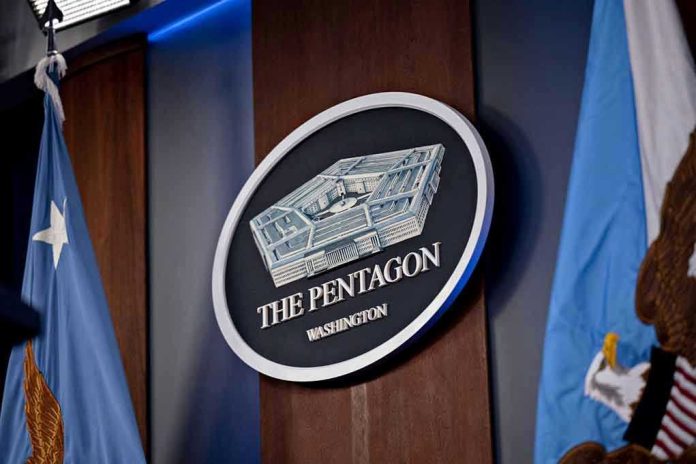
On November 10, Defense Secretary Pete Hegseth told reporters that impeachment over “lawful military operations” has never happened in 250 years. He framed the actions at issue as missions directed by President Trump and carried out under the law. He said the effort targets troops as much as him and called it a “political spectacle.” His remarks followed days of heavy coverage and a growing push in Congress to force a vote on the matter.
Hegseth also argued the articles arise from policy disagreements, not “high crimes.” He said the operations in question, including strikes tied to Iran and actions against suspected drug-smuggling vessels, were lawful and successful. He did not release underlying legal memos, orders, or rules of engagement. Reporters noted that his media strategy included a social video and this first Pentagon briefing after many months, which critics saw as messaging rather than evidence.
What the Impeachment Articles Allege
Representative Thomas Massie filed a 34-page resolution with eight articles that lay out specific legal claims. The articles allege Hegseth carried out an Iran war without a formal declaration, a specific statute, an attack on the United States, or an imminent threat. They also say he kept hostilities going after Congress directed the removal of forces, violating the War Powers Resolution’s time limits set by federal law.
The resolution further alleges Hegseth directed “Operation Rough Rider” in Yemen without prior authorization or an imminent threat to the United States. It cites a reported message from Hegseth saying the operation could “easily pause,” which sponsors argue undercuts a claim of urgency. The filing also accuses him of breaching reporting rules, ignoring civilian harm safeguards, and ordering deadly strikes against suspected drug traffickers at sea.
The Legal Line at the Center of the Fight
The War Powers Resolution sets a structure for when and how presidents may use force and for how Congress can respond. The law says force must rest on a declaration of war, a specific statute, or a national emergency caused by an attack on the United States. It also creates reporting rules and a clock for hostilities. Disputes often arise over what counts as “hostilities,” what triggers the clock, and whether Congress’s directives have binding force.
Hegseth’s side says the missions were lawful, limited, and tied to the commander in chief’s authority. Massie’s side says the operations crossed the line and kept going after Congress tried to stop them. This is a classic clash in Washington. Presidents push speed and secrecy to hit threats. Lawmakers push process and limits to prevent endless wars. The public sees stalemate, delay, and little transparency from either side.
Why Both Sides See High Stakes
Supporters of impeachment say this is about Congress reclaiming its duty over war and peace. They argue that if the House looks away, presidents and appointees can keep fighting without clear legal cover. They warn that time limits and reporting rules mean nothing if ignored. They also say a paper trail exists in the filed articles, which detail alleged breaches tied to Iran and Yemen operations and related actions.
Massie files 8 articles of impeachment against Hegseth
The 34 page impeachment resolution maintained that Hegseth "directed and caused" US armed forces "to be introduced into hostilities against the Islamic Republic of Iran" without congressional authorization, a declaration of… pic.twitter.com/s9Ga6UkbZj
— Nancy Abdallah🇺🇸🇵🇸🇾🇪🇱🇧🇮🇷 (@NanceAbdallah) November 10, 2026
Hegseth’s allies say impeaching a defense secretary for carrying out the president’s orders would shatter norms and chill commanders who act to keep Americans safe. They argue the articles are timed to political winds and amplify anger over unpopular wars rather than prove crimes. They also say no defense chief has been impeached for lawful operations, which, if true, would mark this as a break from history, not a routine rebuke.
What We Still Do Not Know
Key documents remain out of public view. The presidential directives, Pentagon legal opinions, and full War Powers notices have not been released. Those records could show whether the missions met legal tests and whether Congress got timely reports. Without them, the fight turns on dueling narratives and press quotes. That leaves many voters feeling that insiders write the rules and that accountability depends on which party holds the gavel.
How This Could Shape the Next Phase
House action will set the tone. A floor vote would give the effort institutional weight, even if the Senate never convicts. If Congress compels records, the debate could shift from rhetoric to texts and timelines. If not, the standoff will fuel a larger story Americans already know: a federal system long on spin and short on proof, where power moves fast, and oversight comes late, if at all.
Sources:
facebook.com, kmbc.com, opb.org, commondreams.org, senate.gov