
Missouri Democratic state representative Anthony Ealy was arrested a day after his reelection on charges tied to alleged death threats in Jefferson City, according to police accounts and court filings.
Story Snapshot
- Police and court documents describe repeated death threats and a gun reference.
- Multiple witnesses at the scene reported the threats to officers.
- Ealy faces misdemeanor counts of fourth-degree assault and peace disturbance.
- Ealy denied making threats or mentioning a firearm after receiving Miranda warnings.
Police Account Of The Incident
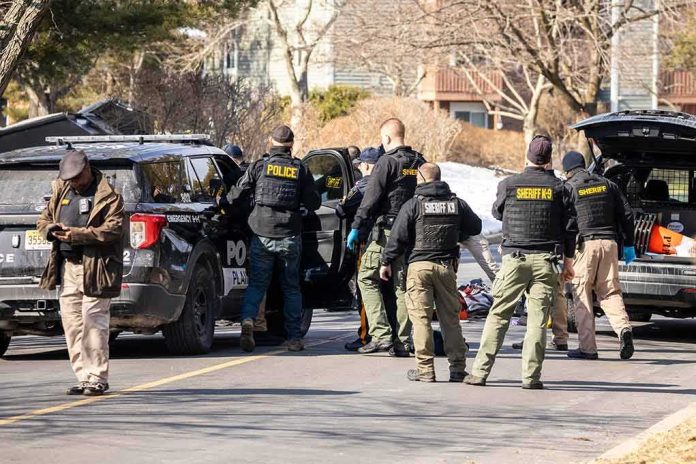
Jefferson City police responded late morning to a disturbance near a business where a family was arranging a funeral. A probable-cause statement says Anthony Ealy yelled outside and threatened to kill a man several times. The statement says he mentioned having a firearm and lunged toward the man. Officers say they found Ealy nearby and arrested him about 20 minutes after the call came in that morning. Reports do not state that a gun was found at the scene.
Several people at the location told officers that Ealy threatened to kill the man and said he had a gun. One account says the man looked at Ealy’s waistband to check for a weapon after hearing the claim. These details appear in summaries of witness statements included in the initial court materials. The reports do not list each witness by name in public coverage, but they do attribute the core claims to more than one person on scene.
Charges And Immediate Legal Status
Prosecutors charged Ealy with two misdemeanors that match the reported conduct. The counts are fourth-degree assault and peace disturbance. These are lower-level offenses under Missouri law, but they still carry possible jail time and fines if a court finds guilt. The listed charges follow the standard path when police claim a credible threat that causes fear and disrupts others in a public or commercial setting.
After officers read him his Miranda rights, Ealy denied making any threats or mentioning a firearm. That denial is included in the same probable-cause narrative that outlines the threats described by witnesses. A denial is common at this early stage and does not settle the case. It sets up a clear dispute that a court would resolve with testimony and any additional evidence allowed into the record.
Setting Details And Reporting Limits
Coverage points to a business location and mentions a family arranging a funeral as part of the setting. Other outlets describe fear among people nearby. Those descriptions support the peace disturbance count, which turns on how conduct affects others in public. Reports do not identify a recovered weapon. The strongest published detail is the reported quote, “I’m going to kill you,” which appears in the probable-cause summary that police used to justify the arrest.
Is anyone still surprised when Democrats get arrested? A Missouri Democrat was ARRESTED THE DAY AFTER HE WON REELECTION with 68% of the vote.
State Rep. Anthony Ealy Jr., 32, is now facing criminal charges after witnesses reported that he caused a disturbance outside a Jefferson… pic.twitter.com/aVlujCSR0x
— Blue Lives Matter (@bluelivesmtr) November 8, 2026
Some outlets describe overlapping facts with slightly different location notes, which can happen in fast-moving coverage. The core through-line remains the same across the strongest reports: repeated death threats, a reference to a firearm, witness statements on scene, a short timeline from call to arrest, and misdemeanor charges filed by prosecutors. Any next steps will come through the court docket, including hearings, motions, and possible release of additional records.
Why This Matters Beyond One Case
This arrest came right after an election win, so politics will color the reaction. Voters on both sides worry that officials bend rules for their own. In statehouses, discipline for members is rare and usually follows formal findings, not just an arrest. Missouri’s House ethics process allows a range of actions, including censure or expulsion, but those steps typically wait for evidence tested in a process rather than early reports alone.
What To Watch Next
Watch for the certified docket, hearing dates, and any release of recordings or full statements. Look for whether prosecutors present any physical evidence, such as a recovered weapon, or rely on witness testimony alone. Track whether legislative leaders open an ethics inquiry and how they time it against the court case. These steps will show whether the story stays a local criminal matter or grows into a broader fight inside the state Capitol.
Sources:
pjmedia.com, kmbc.com, fox4kc.com, kctv5.com, kansascity.com