
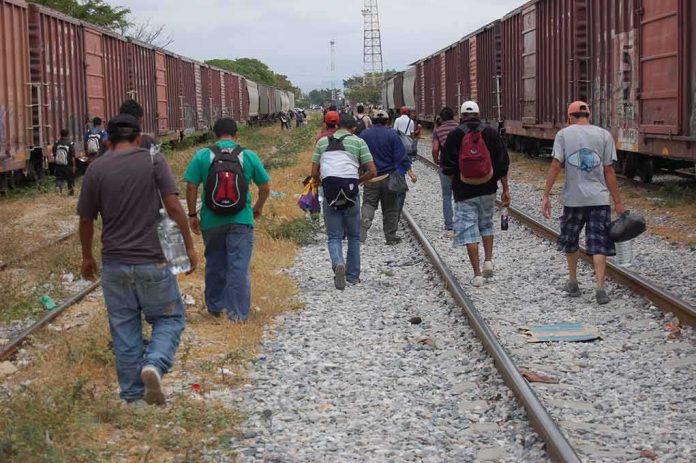
After Democrats won key 2022 midterm races, migrants in a new caravan said they felt a fresh chance to reach the United States, revealing how U.S. politics can ripple through desperate journeys north.
Story Snapshot
- Reporters documented a south Mexico caravan of roughly 1,000–2,000 people moving north after the 2022 midterms.
- At least one migrant linked the Democratic win to new hope of getting into the United States.
- Analysts warned U.S. policy would not change overnight, despite rising expectations.
- Social media and safety concerns helped shape the caravan, not a single central organizer.
What Was Confirmed On The Ground
Reuters reported a caravan leaving Tapachula, Mexico, days after the 2022 midterms. A Chiapas official estimated about 1,500 people, many families, moving north to seek help in Mexico City and safety from detentions. One named migrant, a 47-year-old Nicaraguan who had been deported months before, said the election raised his hopes of entry. Separate coverage in late November cited plans for a caravan of about 2,000, underscoring shifting headcounts across reports.
Human Rights Watch said asylum seekers often form caravans to travel through checkpoints and reduce risks, though Mexican forces have sometimes broken them up. That context helps explain why groups walk together and seek visibility for protection. People reported kidnappings and other crimes in Mexico, adding urgency to travel in numbers. These facts support the caravan’s practical purpose, whatever the politics in the United States or Mexico at a given moment.
How U.S. Politics Fueled Expectations
Reuters recorded that at least one migrant tied hope of entry to Democratic victories. Commentators on Fox Business argued the results sent a strong signal south and said some migrants believed a Democratic wave meant lighter border rules. Yet experts stressed that Congress would not seat until January and that federal enforcement did not flip with election night. In short, expectations rose fast, but formal policy would not change that quickly.
Analysts also pointed to social media’s role. Research finds that online posts help spread caravan plans. A field reporter described past financial help from a church for an earlier group, but called the 2022 caravan more loosely arranged. Together, the record shows networks and word-of-mouth can move people, without proof of a single criminal or political mastermind directing the entire caravan.
What We Know And What We Do Not
Reports confirmed people walked north and aimed to reach Mexico City first. Sources did not show that the caravan reached the United States border or entered the country. The evidence showed hope and intent to seek protection or asylum, not legal entitlement or swift policy changes. That matters because real people acted on political headlines and rumors, while the actual rules, checks, and dangers stayed largely the same.
Trump Warns Mexico as Migrant Caravan Moves Toward US Border Following Democrat Midterm Gains: 'There will be no leniency!' https://t.co/7wtVXnuj4D #gatewaypundit via @gatewaypundit
— Red Snapper (@RRdunnlaw) November 12, 2026
The split in estimates—1,000, 1,500, or 2,000—reflects moving crowds and police actions that can break groups apart. Mexican enforcement can stop travel or scatter people, making precise counts hard. For Americans frustrated with mixed messages, this is a reminder: loud stories about surges often rest on rough numbers, and the legal system still decides each case slowly. The noise is huge; the process is slow.
Why This Matters Beyond One Caravan
Caravans have been used for decades by people seeking safety and attention. They are also a mirror for our politics. Conservatives see strain on border control and the rule of law. Liberals see human need and a system that feels stacked against the poor. Both sides increasingly agree on one point: Washington talks big and solves little. When election wins become signals for a risky trek, it shows how U.S. leaders fail to give clear, steady policy that people can trust.
Sources:
youtube.com, apnews.com, riotimesonline.com, borderreport.com, infobae.com, economictimes.com, link.springer.com, hrw.org, academic.oup.com