
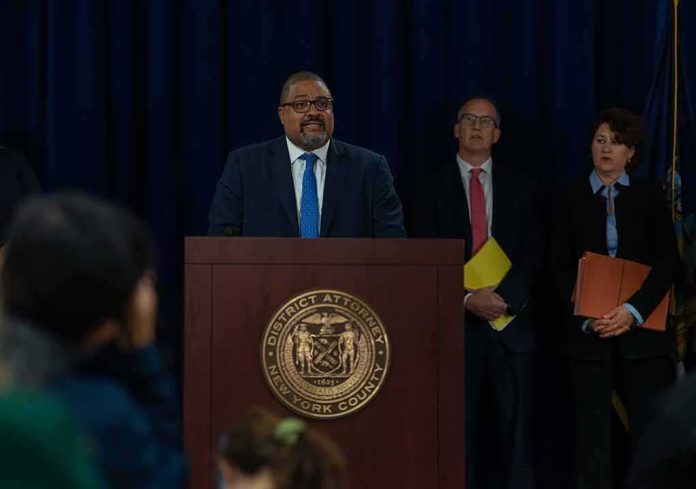
In a retrial hearing, a Texas prosecutor read a text that said, “When I stab somebody I’m gonna lick their blood off the blade.”
Story Snapshot
- Prosecutors say Karmelo Anthony’s texts show a violent mindset tied to the fatal stabbing case.
- A “handshake deal” allegedly kept phone evidence from jurors in the first trial, fueling today’s fight.
- The defense argues self-defense and points to video and witnesses who say Anthony was touched first.
- A new judge is weighing what evidence a jury should hear if a retrial happens.
What The Prosecutor Put On The Record
On August 20, 2026, in a Collin County courtroom, Assistant District Attorney Bill Wirskye told the judge that Karmelo Anthony sent a text saying, “When I stab somebody I’m gonna lick their blood off the blade.” He also highlighted another message, “I’m low key on the verge,” and argued the texts showed an obsession with fights, guns, and knives. He said Anthony’s ex-girlfriend reported stalking and a knife threat that same morning, tying the messages to events near the killing.
Prosecutors linked the texts to physical evidence that jurors had already seen in the earlier trial, including the knife allegedly used in the stabbing. By stressing the messages and the knife together, the state tried to show motive and intent, not only a heated moment. That link matters because judges often weigh whether such messages help explain what happened or only paint a bad character picture that could unfairly sway a jury.
Why The Evidence Fight Matters Now
The phone messages were not shown to jurors in the first trial, according to news reports that described an off-the-record “gentleman’s agreement” between lawyers. That deal, the defense says, narrowed what the jury could hear to a small window around the stabbing itself. The dispute over that agreement now drives the retrial push and raises basic questions about transparency and fairness in a high-stakes case.
A new judge is reviewing these issues after the prior judge was removed during the appeals process. That change adds to public doubt about whether the system handled the case cleanly. The defense claims the earlier judge’s public comments about the verdict crossed a line, while the judge said his rules aimed to protect the process. The recusal keeps focus on the court’s role, not only the texts or the knife.
The Defense’s Self-Defense Claim And The Open Questions
The defense maintains Anthony acted to protect himself during a sudden clash at a high school track meet. A school resource officer’s body camera caught Anthony saying, “He put his hands on me,” after the stabbing. A teammate also testified that the victim pushed Anthony first. Those details support a claim that the encounter turned physical fast, which could matter more than older or general talk about knives when a jury judges self-defense.
During Karmelo Anthony’s appeal hearing for a new trial, shocking evidence emerged about his behavior in the hours leading up to the stabbing. His ex-girlfriend had gone to an assistant principal that morning, reporting that she had broken up with him and that he was stalking…
— Jeff B (@jeffb198712) August 20, 2026
Key limits remain. The reports did not show the full text threads, the exact timing, or the recipients. Without that, it is hard to say if the “lick the blood” line was bragging, a threat, or a plan tied to the victim. Courts often require solid foundations for digital messages: who wrote them, when they were sent, and why they matter to the actual event. Those steps guide what a jury should see in any new trial.
What This Says About The System
People across the political spectrum see a pattern here. Important evidence may have been kept from jurors by a private deal. A judge was removed after public remarks about the verdict. Now, late-stage “bombshells” risk shaping opinion before a full record is set. These moves feed distrust in a system many view as serving insiders first. Clear rules, open records, and solid foundations for digital evidence could rebuild trust case by case.
What To Watch Next
Watch for a written ruling on whether the texts come in at a retrial and for any release of full message threads with timestamps. Look for corroboration of the ex-girlfriend’s report through police or school records. Expect debate over whether the messages show intent or only character. Finally, track whether the court balances those texts against body camera statements and witness accounts that speak to who started the fight and how fast it escalated.
Sources:
x.com, youtube.com, facebook.com, nbcdfw.com