
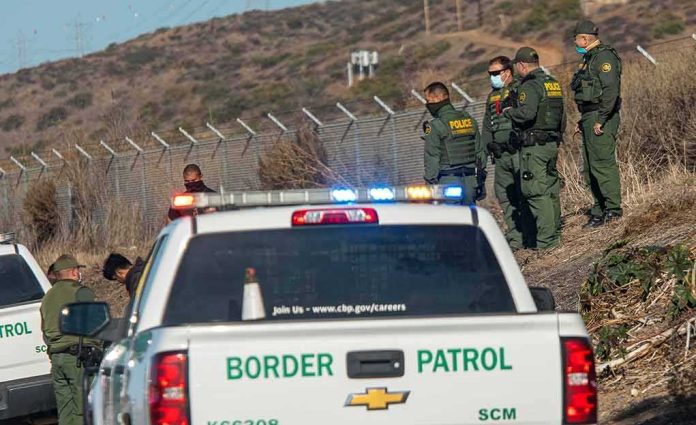
After fresh Army and Coast Guard deployments, parts of the Rio Grande now look quiet even as officials say enforcement remains active and dangerous.
Story Snapshot
- Army presence grew to support Border Patrol, with officials citing quieter river zones and active seizures.
- Border Patrol reported multiple large-group apprehensions in the same sector, showing activity continues.
- Mexico sent forces to Tamaulipas, adding pressure on smugglers from both sides of the river.
- A Coast Guard exchange of gunfire preceded the surge, underscoring rising cartel threats.
What Changed on the Ground in the Rio Grande Valley
Military reporting described a calmer river scene in Roma, Texas, after troops expanded patrols and observation posts along the Rio Grande. The Army said about 8,000 soldiers now support missions across the border region, while the Coast Guard added personnel to river operations in the valley. Border Patrol leaders pointed to drug seizures, apprehensions, and lower traffic in some areas as signs the push is working. Officials tied the timing to increased cartel activity and recent security incidents.
Border Patrol’s acting deputy chief patrol agent for the Rio Grande Valley said evidence of impact includes seizures and apprehensions alongside less traffic in targeted zones. Those claims came without public release of exact totals or methods. That limits outside review of what changed and by how much. Still, on-the-ground scenes showed quieter crossing points where uniformed soldiers, Texas officers, and Coast Guard units operated in a tight, visible posture along the riverbank.
Mexico’s Role and a Dangerous Trigger Event
Mexico deployed roughly 500 National Guard members and military officers to Tamaulipas to disrupt smuggling networks facing the Rio Grande Valley. That move created joint pressure, with U.S. personnel on the north bank and Mexican forces active to the south. The build-up followed a serious encounter on September 26. The U.S. Coast Guard reported gunfire from the Mexican side and said its personnel returned fire during an operation, a flashpoint that raised urgency for more forces in the area.
Officials and embedded reporters linked the troop surge to concern over cartel threats and the need to secure river crossings used by smugglers. The coordinated deployments aimed to deter armed interference and speed response times. Helicopter movements, riverine patrols, and shore posts expanded the U.S. footprint near hot spots. While some details about durations and exact numbers were not fully confirmed, the visible effect was a steadier official presence and a quieter surface picture at select sites.
Quieter Scenes Do Not Mean the Sector Is Still
Customs and Border Protection reported five large migrant groups totaling 648 people apprehended over five days in Hidalgo and Starr Counties, including 520 arrests by the Rio Grande City station. Those numbers show the sector remained active. Agents also continued rescues and medical aid in other recent updates. The local gains at certain river bends did not equal a full stop to crossings. The sector picture mixed calm stretches with bursts of group movement and interdictions.
Analysts and public data point to earlier policy changes and Mexican enforcement as big drivers of the broader decline in crossings. Reports noted that numbers fell after 2024 asylum limits and dipped again after a later asylum suspension. That timeline makes it hard to credit the troop surge alone for the downturn. The Army’s role sits inside a larger system where Border Patrol leads, Mexico escalates enforcement, and policy shifts shape flows sector by sector.
Why This Matters for Voters Tired of Excuses
Border scenes can look calm while the system stays strained. People on the right and left worry that leaders point to photo ops rather than hard results. Here, officials showed a quieter river bend and cited seizures, but did not publish clear metrics for the troop effect. At the same time, large groups still crossed nearby. The mixed picture supports a basic concern many share: success claims should rest on open numbers and methods the public can check.
What to Watch Next to Judge Results
Daily sector data can test whether extra troops changed outcomes beyond policy shifts and Mexico’s moves. Useful figures include encounters, seizures by type, patrol hours, response times, and where arrests happen. Comparing the Rio Grande Valley with similar sectors over the same period would help isolate any troop effect. Transparent timelines for deployments and joint operations would also let citizens see who did what, when, and with what measurable result on the ground.
Sources:
military.com, cbp.gov, wola.org