
A campaign to let naturalized citizens run for president just collided with the Constitution’s clearest guardrail.
Story Snapshot
- The Constitution requires a “natural born Citizen” to be president, blocking Elon Musk and other immigrants.
- Courts and legal records treat this as a narrow, explicit exception to otherwise equal citizenship rights.
- Past proposals to amend the rule exist, but no current measure is moving through Congress in the provided record.
- Changing the rule would demand the steep Article V process, not a lawsuit or statute.
What The Constitution Says Today
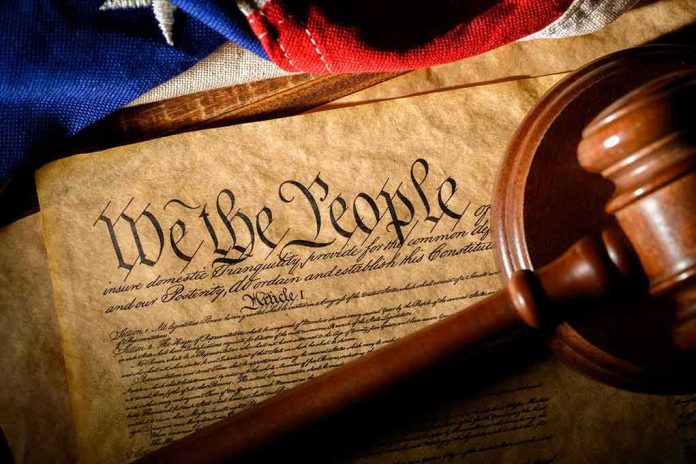
Article II sets the presidential bar in plain words. It says only a “natural born Citizen,” or a citizen at the time of adoption, can be president. That language is direct and leaves little room for workarounds. Congress’s own Constitution Annotated presents the clause as a standing, categorical limit. This rule blocks any citizen who became American after birth, no matter how long they have lived here or what they have achieved.
The Fourteenth Amendment later set equal citizenship in broad terms. It says anyone born or naturalized in the United States is a citizen. Courts and filings have read those rights as coequal in most areas. But they have kept the presidency as the clear exception. A Federal Election Commission court filing quotes Supreme Court language on equal dignity, then notes that only a “natural born” citizen may be president. That line remains the operative divide.
The Musk Question Versus A General Reform
Public debate often centers on Elon Musk because he is a high-profile, naturalized citizen who shapes markets and media. The research here does not show any formal endorsement by Musk for changing the rule, nor any official record of his naturalization status and date. It also does not show a current, filed amendment text or a registered committee leading a push. That gap makes the effort look more like talk than a live constitutional drive at this stage.
Legal history shows the idea is not new. Scholars have tracked many attempts in Congress to relax or repeal the birth-based bar. One account points to Senator Thomas Eagleton’s plan to allow naturalized citizens to become eligible after a set number of years. Those efforts show a path others have tried to take. But history also shows how hard amendment politics is, even when proposals seem simple or popular on the surface.
Why The Framers Drew This Line
Founding-era voices worried about foreign sway over the commander in chief. That concern helped set a bright-line test based on birth status. Supporters of the current rule still point to national security and allegiance. They argue the presidency is unique, so a narrow citizenship limit is acceptable. Critics counter that today’s vetting, disclosure, and security checks reduce the old risks. They say the rule excludes loyal Americans who earned citizenship and serve in every other role.
What It Would Take To Change It
Amending the Constitution takes two thirds of both chambers of Congress and three fourths of the states, or a convention of states. That is a very high bar. Lawsuits cannot rewrite Article II. Congress cannot sidestep it by statute. Recent records in the provided material do not identify an active joint resolution, sponsors, or hearings. Without that, the idea remains a debate topic, not a live amendment fight with vote counts and whip lists to track.
For citizens on the right and the left, this debate hits shared nerves. Many see elites bending rules for the well connected while basic needs go unmet. A Musk-centered push may look like one more special carve-out for a billionaire. A broader amendment for all naturalized citizens could read very differently. The policy stakes are real: do we keep a bright line for the top job, or do we let time as a citizen and proven service open the door for immigrants who chose America?
Sources:
youtube.com, constitutioncenter.org, fec.gov