President Trump’s new tariff-backed sanctions regime warns every nation: buy from Iran and pay America’s price.
Story Highlights
- The White House declared Iran a national-security threat and set penalties for countries that trade with Tehran.
- Treasury launched “Operation Economic Outcast” to choke Iran’s cash and weapons networks.
- Sanctions target oil revenue, weapons procurement, and illicit nuclear and missile support.
- Officials say economic pressure can reduce the need for large new military operations.
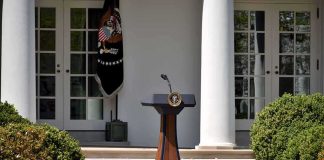
Rose Garden Warning Puts Tehran and Its Partners on Notice
The White House said the government of Iran threatens United States security and prosperity. The order authorizes extra tariffs on imports from any country that buys or acquires Iranian goods or services. The action aims to block regime revenue that fuels weapons, proxy forces, and cyber activities. President Trump’s team framed the move as clear and simple: starve the regime’s cash, limit its reach, and protect Americans without rushing into another war.
Treasury Secretary Scott Bessent announced “Operation Economic Outcast,” a sustained campaign to isolate Iran’s money pipelines and the foreign middlemen who keep them flowing. Officials described new designations and warnings to banks and shippers that touch Iranian oil, front companies, or dual-use goods. The message to boardrooms and ministries abroad was blunt. Do business with Tehran, and risk losing access to the United States market and dollar system.
How the Sanctions Machine Tightens the Screws
The administration tied new penalties to specific conduct. Actions focused on oil sales, components used in weapons, and networks tied to illicit nuclear and missile activity. Public releases showed a steady drumbeat through 2026, including sanctions on oil trade and the so-called shadow fleet, signaling that enforcement is not a one-day headline but an ongoing effort. This cadence raises costs on Iran’s partners and squeezes profit from every barrel and every shell.
Officials argued that maximum economic pressure can cut risk for American troops. By raising the cost of dealing with Tehran, the United States seeks to slow the regime’s plans while avoiding large new combat operations. Reuters reported that Bessent pledged the toughest measures yet and said the economic front could reduce the need for major military action. That is a clear attempt to use dollars and rules, not missiles, as the first tool of deterrence.
Secondary Sanctions Reach Beyond Iran’s Borders
The order’s tariff mechanism extends pressure to other countries that buy from Iran. That reach is what gives the plan teeth. It also explains why critics abroad call it “economic warfare.” Legal scholars say these secondary measures are controversial because they push into other states’ economies. But the White House cites emergency powers and national security to justify the steps, and it pairs tariffs with targeted financial bans to narrow the focus to Tehran’s war economy.
Iran pushed back in state media, branding the measures “economic terrorism” and “unjust,” and claiming the policy undercuts diplomacy. Those claims come from Tehran’s officials and reflect their messaging line, not independent findings. The administration counters that the only path to real talks is firm leverage. By closing loopholes, tracking front companies, and warning lenders, the United States raises the cost of delay and forces choices that favor peace through strength.
What It Means for Americans and Allies
For American families, the stakes are clear. Iran’s oil cash funds terror proxies and missile work that targets United States forces and partners. Cutting that revenue supports our troops and our friends, and it defends the homeland without endless deployments. The administration also knows energy prices are sensitive. Officials present the campaign as phased and targeted to limit shocks while shrinking Tehran’s war chest. That balance will be a key test in the months ahead.
ECONOMIC D-DAY: President Trump is threatening an "economic D-Day" against foreign nations assisting Iran, signaling a strategic shift emphasizing severe financial sanctions over immediate military strikes.
As part of regional posture shifts, the USS Abraham Lincoln has begun… pic.twitter.com/e6Vb10h11n
— Special Report (@SpecialReport) August 20, 2026
For allies and trading partners, the choice is now sharper. Work with Iran’s networks and face tariffs and sanctions, or help isolate a regime that threatens shipping lanes and regional stability. A stronger coalition would increase pressure and shorten the timeline. The record already shows repeated sanctions actions this year. If that pace holds, the risk of doing business with Tehran will keep rising, and the regime’s options will keep shrinking.
Sources:
reuters.com, cbsnews.com, cnbc.com, whitehouse.gov, wsj.com