
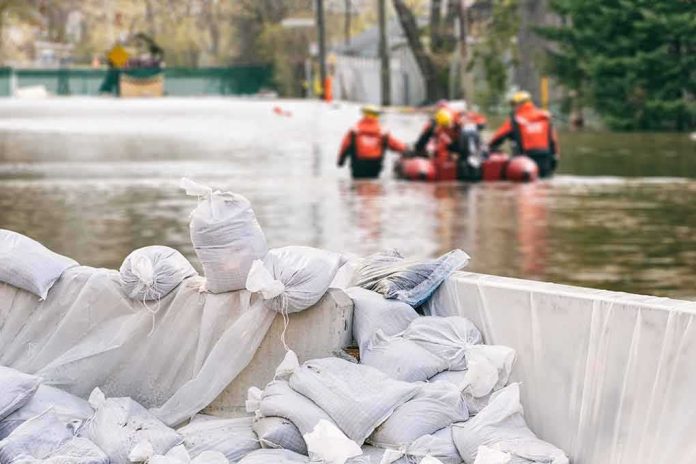
Nepal’s government says search and rescue teams are still working as the death toll climbs past 600 and hundreds remain missing.
Story Snapshot
- Nepal reports full mobilization of police, army, and health services for rescue and relief.
- Authorities resumed searches after a weather pause; operations continue along river corridors.
- Police state the rescue effort “hasn’t stopped,” stressing ongoing missions.
- Counts are changing as bodies are found and names reconciled; figures remain provisional.
Government Mobilization and Current Focus
Nepal’s Ministry of Foreign Affairs said security forces, disaster teams, local officials, and health services are fully mobilized for search, rescue, evacuation, and medical aid. The government said it is using all available resources for relief across flood-hit zones, including riverbanks where debris fields are thick and dangerous. Officials framed the work as a national priority. The statement reflects a push to show control of the response while teams continue to reach isolated areas with damaged roads and bridges.
Police officials confirmed the rescue operation remains active. A police spokesperson said “It hasn’t stopped,” underscoring that teams are still moving along the rivers and through valleys where access allows. Reuters reported searches resumed after a brief weather-related suspension, which forced crews to pause due to risk, then restart when skies cleared and water levels eased. That stop-and-go pattern is common in mountain disasters where new slides and surges can appear with little warning.
What the Numbers Show—and Why They Shift
As of the latest detailed government snapshot, authorities reported 359 bodies recovered and 596 people missing from 33 countries, with the figures still under verification while searches continue. International outlets reported higher combined tolls across Nepal and China’s Tibet region as more victims were found and lists reconciled. The daily updates vary because some counts include both sides of the border, while others cite only Nepal. Officials warn these tallies will change as data improves.
Media tallies evolved quickly during the week, reflecting a fast-moving response and patchy access. Initial reports cited lower deaths and missing, which later rose as teams reached new sites and embassies added names. Reuters and other outlets noted that authorities resumed fieldwork after storms, which can both reveal new remains and slow identification. The Ministry’s own language labels the counts provisional. That is standard in large disasters, especially where terrain and weather block steady reporting.
Political Direction and Cross-Border Complexity
Nepal’s leadership ordered agencies to intensify search, rescue, and relief, directing officials to mobilize resources to the hardest-hit districts. That top-down push aligns with reports of thousands of personnel in the field and medical airlifts where landing is possible. Officials also emphasized domestic capacity for search and rescue, while seeking help in technical areas and long-term rebuilding, according to international reporting. The balance aims to speed response while keeping coordination clear.
India’s 4th relief flight to flood-hit Nepal is now airborne. An Indian Air Force C-130 aircraft is carrying 11 tonnes of assistance, including rescue equipment and essential relief supplies to support ongoing search-and-rescue operations.#Nepal #NepalFlood #India #SJaishankar pic.twitter.com/CPbBbgSXf5
— India Brief (@IndiaBrief365) August 29, 2026
Cross-border geography complicates the picture. The flood path cut across remote valleys that link Nepal and Tibet, so totals sometimes merge both regions and sometimes separate them. That difference affects headline numbers and public perception of progress. Reporters and officials agree that searches are still active on the Nepal side, with patrols along debris-choked riverbeds and in settlements downstream. Weather shifts, broken bridges, and unstable slopes continue to shape both safety and speed.
Why This Matters for Readers Everywhere
This tragedy highlights a wider problem the left and right both worry about: governments struggle to manage complex risks while keeping the public clearly informed. The Nepal case shows honest limits—mountain weather, blocked roads, and fast-changing lists. It also shows where resolve helps—clear orders, deployed crews, and steady field work. Strong civil defense, practical infrastructure, and transparent updates save lives. Those basics matter in any country facing rising extreme weather.
Sources:
youtube.com, mofa.gov.np, theguardian.com, english.news.cn, english.nepalnews.com