A former judge’s scathing legal analysis suggests the high-profile prosecution of Venezuelan President Nicolás Maduro could collapse before it even reaches trial, exposing fundamental flaws in how America pursues foreign leaders.
Story Highlights
- Former Judge Andrew Napolitano predicts major portions of Maduro’s indictment will be dismissed due to jurisdictional and constitutional flaws
- The case centers on a 2020 narco-terrorism indictment, recently expanded to include Maduro’s wife in a “family-like” criminal enterprise
- Legal experts cite problematic venue selection, invalid firearms statutes, and potential sovereign immunity defenses
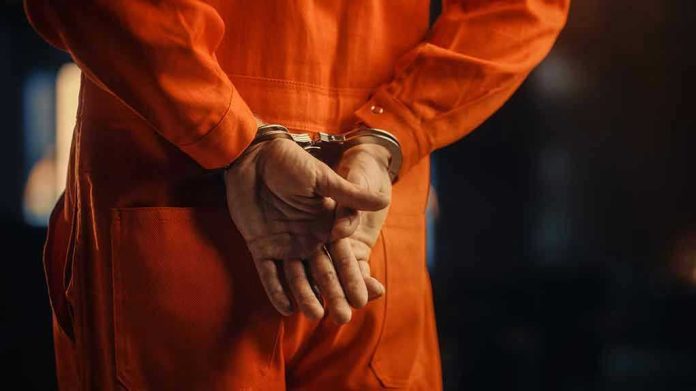
- Maduro appeared in New York federal court following his dramatic capture, facing charges that could result in life imprisonment
A Legal House of Cards
Former New Jersey Superior Court Judge Andrew Napolitano delivered a devastating critique of the federal case against Maduro, calling it a “legal mess” destined for partial dismissal. His analysis focuses on fundamental constitutional problems that prosecutors apparently overlooked in their zeal to bring down the Venezuelan strongman. The indictment attempts to prosecute acts committed entirely on foreign soil under laws that may not apply extraterritorially.
Napolitano specifically targets the firearms charges as “inconceivable,” noting they involve gun possession in Caracas that was legal under Venezuelan law. The prosecution relies heavily on the 1934 Firearms Control Act, portions of which the Supreme Court has invalidated. These procedural vulnerabilities could unravel much of the government’s case before reaching substantive evidence.
Constitutional Venue Problems
The choice of Manhattan’s Southern District of New York as the trial venue presents another significant hurdle for prosecutors. Napolitano argues the Constitution requires trials to occur where defendants “first set foot” in U.S. territory, not where prosecutors prefer to litigate. This jurisdictional challenge could force a complete venue change or case dismissal.
Judge Alvin Hellerstein, who will oversee Maduro’s case, has a reputation for being less favorable to government prosecutions than judges in other districts. Combined with Manhattan’s historically pro-defense jury pools, this creates additional obstacles for prosecutors seeking conviction. The venue selection appears driven more by prosecutorial convenience than constitutional requirements.
The Noriega Precedent
Prosecutors likely draw confidence from the successful 1989 prosecution of Panamanian leader Manuel Noriega, who was captured by U.S. forces and convicted on drug charges despite sovereign immunity claims. The Ker-Frisbie doctrine established that abductions don’t bar U.S. trials, as confirmed in the 1992 Alvarez-Machain ruling. However, Napolitano suggests Maduro’s case presents more complex legal challenges than Noriega faced.
The original 2020 indictment accused Maduro of leading a “narco-terrorism” conspiracy, protecting cocaine trafficking routes to the United States while enriching his family through bribes and violence. Sunday’s superseding indictment expanded charges to include his wife, Cilia Flores, in what prosecutors describe as a family criminal enterprise. These allegations, while serious, must still overcome the procedural hurdles Napolitano identified.
Sources:
Newsmax – Judge Napolitano Maduro Analysis
PolitiFact – Maduro Venezuela Indictment Drug Trafficking
Americas.org – Threats Against Venezuela Increase
Law & Liberty – The Struggle for Venezuela