Ukraine says President Volodymyr Zelensky will host President Trump’s envoys in Kyiv after their stop in Moscow, signaling a possible turn in war diplomacy.
Story Snapshot
- Ukraine’s presidency said Jared Kushner and Steve Witkoff planned Moscow talks followed by a Kyiv visit on Sunday.
- Zelensky described earlier talks with the envoys as positive and focused on a settlement.
- Reports for months flagged an expected Kyiv visit as part of peace efforts.
- Kremlin and Reuters coverage tracked ongoing contacts with the envoys in Moscow.
Kyiv Confirms Planned Moscow-to-Kyiv Envoy Itinerary
Ukraine’s presidential office said Jared Kushner and Steve Witkoff would visit Moscow and then Kyiv on Sunday, placing Kyiv directly after talks in Russia. That statement set a clear sequence: meet Russian leaders, then brief Ukraine’s president in the capital. Reuters separately reported that weekend travel plans were being finalized, with security arrangements still in motion. Together, the official Ukrainian notice and those updates outline a tight, high-stakes shuttle aimed at testing terms for a possible ceasefire framework.
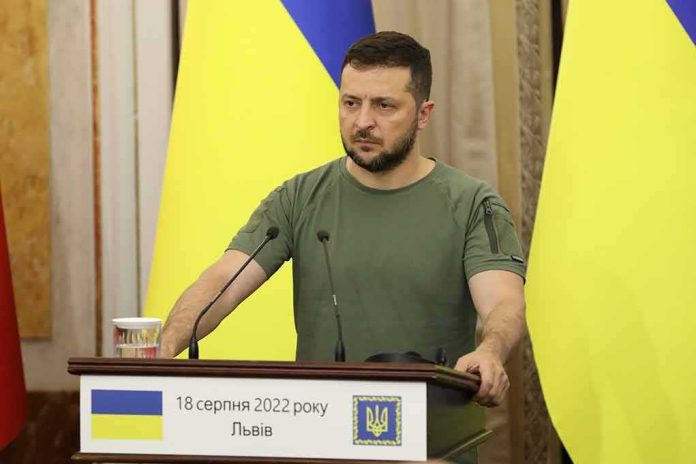
President Volodymyr Zelensky has kept public attention on the channel. He said his talks with the two envoys were positive and focused on a settlement path. Earlier, he told reporters he hoped the pair would come to Kyiv within weeks, and local and U.S. outlets tracked those plans through the summer. These steps fit a pattern in war diplomacy where planned visits, calls, and sit-downs blend into a rolling process that builds momentum without quick breakthroughs.
What Moscow Talks Mean for Peace Efforts
Russian and Western coverage showed that Moscow remained a key stop for the envoys. Reuters chronicled their visits and said the Kremlin expected contacts with them to continue. That matters for leverage and optics. A path that runs through both capitals suggests each side is hearing similar proposals. It also shows that Washington’s channel, through President Trump’s envoys, is still active, even when formal three-way talks stall or shift locations over time.
Geneva, Abu Dhabi, Florida, and Moscow have all hosted parts of this process, according to Reuters reporting over the past two years. Those meetings often ended without a final deal but kept lines open. That track record explains why the Kyiv stop, right after Moscow, stands out. The sequence signals an effort to align positions quickly. It also raises public stakes for all sides, since a rapid shuttle builds expectations that some concrete step—like a prisoner exchange or a limited ceasefire—might follow.
Why the Order of Meetings Matters at Home and Abroad
Ukraine’s leaders know that who meets first can shape the narrative of strength. Zelensky earlier called it disrespectful that the envoys had gone to Moscow but not Kyiv, highlighting the optics in play. The latest schedule answers that concern by placing Kyiv in the weekend plan. For audiences in the United States, this also shows direct engagement by President Trump’s team, which may appeal to voters who want results over rhetoric and are tired of long wars that strain budgets and families.
🇺🇦 US envoys Steve Witkoff and Jared Kushner arrived in Kyiv for talks with Volodymyr Zelenskiy after holding a…
Source: @Reuterspic.twitter.com/oq8uVRZxaq
— Ahmad Shah Mohibi (@WarGuy_) September 6, 2026
For Americans across the spectrum, the stakes are clear. Many believe the federal government often fails to deliver on big promises. A fast, credible path to reduce the fighting could ease energy shocks, defense costs, and global risk. Still, this story is about steps, not a final pact. Officials have described progress before without a deal. Today’s facts show planned travel, active talks, and a leader in Kyiv ready to listen. Concrete outcomes will depend on what each side puts on the table next.
Sources:
youtube.com, turkiyetoday.com, thehill.com, kyivindependent.com, president.gov.ua, reuters.com, thesun.my, english.nv.ua