Three people are dead, including the suspected gunman, and three others are injured after a shooting inside a downtown Minneapolis high-rise, jolting a city already weary of violent crime and shaken trust in public safety.
Story Snapshot
- Police say the shooting happened at a high-rise near Loring Park, with three dead and three injured.
- Officers responded within minutes after 911 calls reported gunfire downtown.
- Authorities are sorting the sequence of shots and how the gunman died, which often takes time.
- Hospitals activated emergency plans, reflecting strain seen in prior mass-casualty events.
What Police Say Happened Downtown
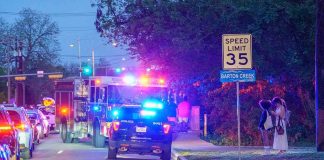
Minneapolis police reported an active shooting at a high-rise apartment building near Loring Park. Early updates stated that three people died, including the suspected gunman, and three others were hurt. The call location and setting match prior reports of violence in or near 15 East Grant Street’s lobby area. The department said officers moved in quickly and began clearing floors as medics staged nearby for safety. Officials warned that details could shift as detectives gather firm evidence.
City communications show officers were dispatched within minutes after the first calls. Minneapolis Police Department public information releases indicate how the agency documents critical incidents and pushes updates during fast-moving events. Rapid arrival does not end the danger. Officers must locate the shooter, secure victims, and protect medics. That sequence can take time inside a high-rise with locked doors, stairwells, and bystanders who may be scared or hiding.
Casualties, Medical Response, and Hospital Strain
Officials said three people died, including the suspected gunman, and three more were injured. Hospitals in downtown Minneapolis have managed sudden surges before. Hennepin Healthcare, the region’s main trauma center, has publicly briefed the press after mass-casualty events and often activates emergency steps to handle multiple victims at once. That process can include extra surgical teams, blood supply checks, and counseling staff on standby for families and first responders.
Doctors and nurses face a race against time when bullets cause internal bleeding. Police must secure the scene before paramedics can enter, which can delay care by minutes that matter. Trauma centers train for this pattern. They balance speed with safety while tracking victims, alerting operating rooms, and coordinating with police. Prior incidents in Minneapolis and elsewhere show these steps save lives when communication between responders is clear and fast.
Why Early Details Often Change
Investigators usually need hours or days to confirm the order of shots, the exact cause of each death, and whether any rounds came from police. Policies for “critical incident” reviews in Minnesota call for careful scene work, body-camera checks, and forensic tests before final answers are released. This is normal, not a cover-up. It protects the integrity of the case and helps prosecutors and the public understand what actually happened inside the building.
Large buildings add complexity. Sound echoes, people run, and doors slam. Witness memories can conflict under stress. That is why detectives rely on physical evidence and video, not just statements. The first public narrative can be incomplete. Later updates often clarify how the gunman moved, where victims fell, and when officers fired. This methodical pace can frustrate residents, but it supports accuracy and accountability in court and in public briefings.
Community Concerns That Cross Party Lines
Residents across the political spectrum worry about safety downtown and whether leaders can keep up with rising violence. Many feel the system responds after tragedy rather than preventing it. People want patrols that deter crime, faster mental health help for those in crisis, and buildings that keep residents secure. Those goals need steady funding and clear leadership. When agencies share facts fast and own mistakes, trust improves and communities heal sooner after violence.
NEW INFORMATION: 3 people dead – including alleged suspect – after shooting at high-rise apartment building in downtown Minneapolis, Minnesota. #LiveDesk pic.twitter.com/pKL1jQDJCQ
— Steve McCarron KOMO (@SteveTVNews) September 3, 2026
City officials urge anyone with information or video to contact police. Clear tips help track the shooter’s path and confirm the timeline. Hospitals ask would-be donors to give blood in the weeks after high-casualty events, when supplies can run low. For families and neighbors close to the incident, victim support programs can help with counseling and navigating costs linked to crime. Those services often start at the hospital and continue after discharge.
Sources:
en.wikipedia.org, cbsnews.com, apmreports.org, kstp.com, hennepinhealthcare.org, policinginstitute.org