Congress is moving to finally treat Pentagon 9/11 toxic exposure like it happened—and to the people who breathed it.
Story Snapshot
- New bill would presume service connection for Pentagon 9/11 toxic exposure diseases.
- The measure is named for Air Force Lt. Col. Susan E. Lukas, who reports lasting lung damage.
- Federal health programs already recognize Pentagon responders within the 9/11 framework.
- Centers for Disease Control and Prevention notes responders faced smoke, jet fuel, and hazardous debris.
Congress Puts Pentagon Exposure Squarely On The Record
Lawmakers filed the “Susan E. Lukas 9/11 Servicemember Fairness Act” to create a presumption of service connection for diseases tied to Pentagon toxic exposure. The bill identifies the Pentagon Reservation and sets the exposure window beginning on September 11, 2001. It lists conditions like asthma, chronic obstructive pulmonary disease, emphysema, certain cancers, and cardiovascular, skin, and respiratory disease for streamlined treatment and benefits. The text anchors the Pentagon cohort as a distinct group, not an afterthought to New York or Shanksville.
This presumption approach mirrors how Congress often handles uncertain but credible hazards for veterans. The logic is simple: when the nation sends people into danger, it carries the burden of doubt later. The bill gives claims’ processors a clear rule instead of forcing each Pentagon veteran to reconstruct exposure pathways from a chaotic scene a quarter-century ago. Veterans’ groups back the move, calling it a fix for a long-standing gap in coverage for those who worked inside the damaged building.
The Namesake: A Survivor Still Fighting To Breathe
Retired Air Force Lt. Col. Susan E. Lukas says she served at the Pentagon on September 11 and developed serious breathing and coughing problems in the months that followed. She later learned she had lung damage. Her public testimony has anchored the push to codify presumption for Pentagon personnel. A House Veterans’ Affairs Committee statement noted her ongoing health issues from toxicants at the Pentagon, adding a human face to the policy text and a record for future claims.
Her account lines up with what responders described for years: smoke that burned the lungs, dust that clung to clothes, and long days in a sealed workspace that had been on fire. That is why this bill carries her name. It signals Congress intends to solve a known problem for a known population, not chase a theory. One caveat is routine in benefits law: individual medical causation still runs through the Department of Veterans Affairs for ratings and care decisions.
What The Health Agencies Already Acknowledge
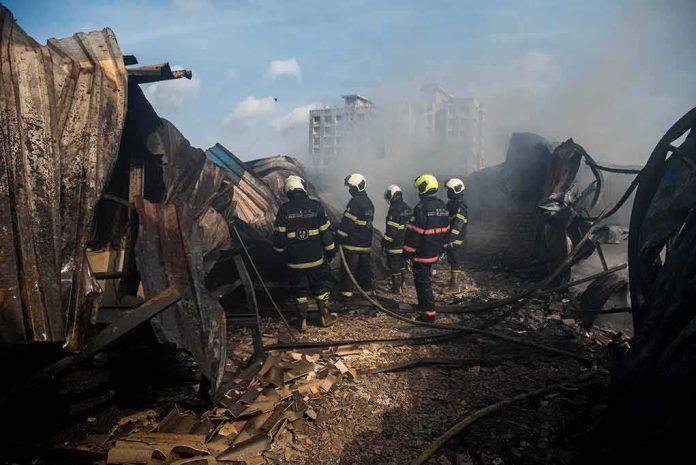
The Centers for Disease Control and Prevention documents that Pentagon responders, cleanup crews, and construction workers faced smoke, jet fuel, heat from the fire, hazardous chemicals, and harmful debris. That is straight exposure recognition. The World Trade Center Health Program already includes eligible responders from the Pentagon and Shanksville. A federal update for health care providers spells out coverage and conditions linked to recognized 9/11 exposures across sites, including the Pentagon.
This matters because policy must start with the facts on the ground. Hazard was present. People worked there. Many got sick later. The health program framework shows federal buy-in on exposure and benefits eligibility. Congress now aims to finish the job for Pentagon veterans by removing red tape around causation fights that most cannot afford to wage. That aligns with common sense and the long American promise to care for those who served when the alarms sounded.
What Presumption Would Change On Day One
A presumption would flip the burden from the veteran to the government for listed diseases tied to Pentagon exposure. Claims would move faster. Evidence demands would narrow. Veterans Affairs examiners would start from “yes,” then rate the severity. The bill’s disease list is broad by design because smoke and chemical exposure do not target only one organ system. It covers the real-world pattern many veterans report: trouble breathing, cardiac strain, and, for some, cancer years later.
Critics sometimes warn about costs. That is fair to debate. But Congress has long decided that when evidence of exposure is credible and recordkeeping is thin, presumption is the moral and efficient path. Denial letters do not cure damaged lungs. Quick access to care and tracking does. The Pentagon cohort stood watch on America’s darkest day. The country can stand watch for them now, with a clear rule and a working door into the system they earned.
Sources:
usatoday.com, congress.gov, govexec.com, academic.oup.com, pmc.ncbi.nlm.nih.gov, oem.bmj.com