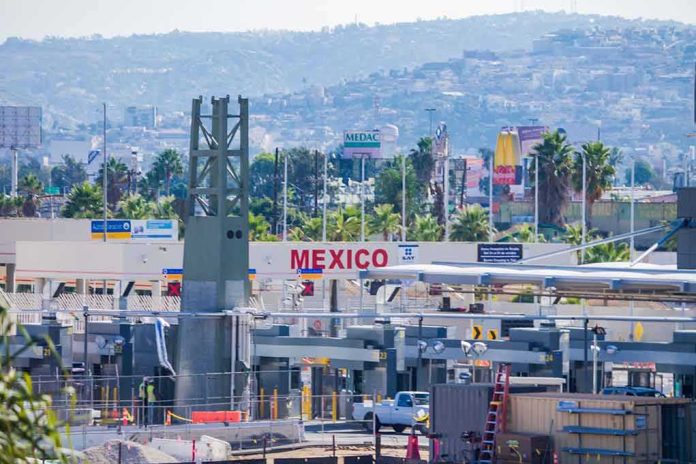
The United States suspended government operations and travel in Mexicali for August 25 after officials flagged a potential threat, and Americans there were told to avoid government buildings and be ready to seek shelter.
Story Snapshot
- U.S. government paused operations and official travel in Mexicali for August 25 due to threat information.
- Americans were urged to avoid government buildings and prepare to shelter if an incident occurs.
- The alert fits a pattern of brief, targeted advisories the United States issues in Mexico when risks spike.
- Officials did not share details on the threat, citing safety and standard practice for such alerts.
What The United States Announced For Mexicali
The United States Embassy and Consulates in Mexico issued a security alert for Mexicali on August 25. The alert suspended U.S. government activities in the city and paused official travel there for that day due to threat information. The U.S. Consulate in Tijuana echoed the guidance on social media and told U.S. citizens to avoid government buildings and be ready to seek shelter if an incident occurs. Officials framed the action as precautionary while they monitored conditions.
Officials did not release the source or nature of the threat. That is common in short-term security alerts where sharing details could risk people or investigations. The alert focused on practical steps: avoid government offices, stay alert, and watch for official updates. The notice applied to August 25, signaling a time-bound response tied to specific information. That narrow scope suggests targeted risk management, not a blanket travel ban.
How This Fits Recent Security Patterns In Mexico
The State Department lists Mexico at Level 2, meaning travelers should exercise increased caution due to terrorism, crime, and kidnapping. U.S. missions in Mexico sometimes add short, local alerts when they see a spike in risk. Earlier notices have urged people to shelter in place during security operations or to avoid certain areas after violence between criminal groups. This Mexicali alert matches that pattern of quick, focused steps to cut risk during a specific window.
The Overseas Security Advisory Council has also warned about cartel-related violence in parts of the Mexicali Valley, advising U.S. government employees to avoid certain zones when tensions rise. These advisories aim to reduce exposure during periods of uncertainty. They do not mean daily life shuts down across Mexico. Instead, they guide official staff and U.S. citizens to reduce risk in a defined place and time while law enforcement and local partners address the threat.
Why This Matters On Both Sides Of The Border
Border cities rely on steady cross-border travel for work, health care, and trade. Sudden alerts can disrupt that flow, raise costs, and rattle families who live and work between two countries. Americans and Mexicans alike want clear, fast safety guidance that respects daily life. When the government issues narrow, time-limited alerts like this, it tries to balance safety with normal activity, even if the lack of detail can be frustrating.
The US Embassy in Mexico has issued an urgent security alert for Mexicali near the US border, citing a potential threat and urging travelers to exercise caution.https://t.co/OZ1nREMpzy
— The Traveler (@thetraveler_org) August 25, 2026
People across the political spectrum worry that public safety often takes a back seat to politics and bureaucracy. This case shows a system acting quickly on warning signs, but also shows limits in public transparency. Officials moved to protect staff and citizens in Mexicali, yet they shared few specifics. For travelers, the best move is simple: follow the alert, avoid government buildings, stay aware, and check State Department channels for updates as conditions change.
Sources:
insiderpaper.com, heraldodemexico.com.mx, osac.gov, travel.state.gov, mexiconewsdaily.com, kyma.com