A CDC policy overhaul reduces childhood vaccines, igniting debate over public health and constitutional freedoms.
Story Overview
- The CDC, following Trump’s directive, slashed recommended vaccines from 17 to 11.
- Trump’s order aligns U.S. vaccine schedules with peer nations, bypassing expert reviews.
- Critics warn of health risks, while supporters hail increased parental choice.
- RFK Jr., as HHS Secretary, spearheads the change, emphasizing transparency and trust.
Trump’s Directive Sparks Vaccine Schedule Overhaul
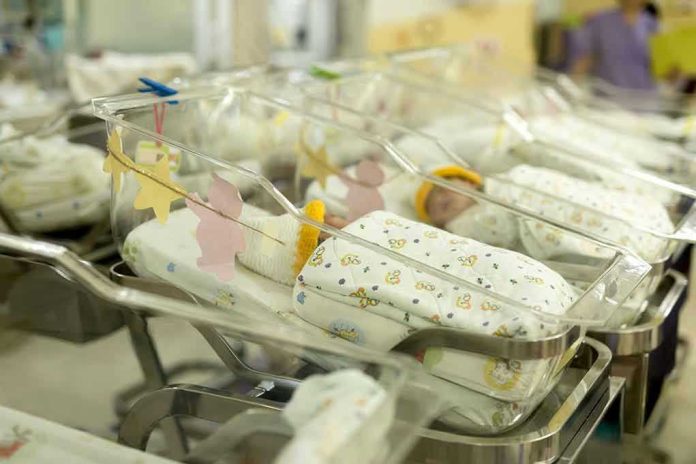
In a decisive action, President Trump’s December 2025 executive order prompted the CDC to reduce the number of universally recommended childhood vaccines from 17 to 11. This shift aligns the United States with international vaccination standards, addressing concerns over the U.S. being an outlier in vaccine doses. The move, effective immediately, bypasses traditional expert review processes and has been met with both praise and criticism.
The revised schedule retains vaccines for critical diseases such as diphtheria, tetanus, pertussis, polio, measles, and rubella. However, vaccines for diseases like RSV, hepatitis A/B, and COVID-19 are now recommended only for high-risk groups or require shared clinical decision-making. This shift is part of a broader strategy by RFK Jr., the current HHS Secretary, who has long advocated for fewer mandatory vaccines, proposing more informed consent in health decisions.
Critics Voice Concerns Over Health Risks
While the administration claims this policy will restore public trust and transparency, critics warn of potential health risks. Experts, including those from the Vaccine Integrity Project, argue that reducing the number of recommended vaccines could lead to increased hospitalizations and deaths, particularly if coverage for flu and rotavirus diminishes. This unilateral decision, made without the Advisory Committee on Immunization Practices’ (ACIP) input, raises concerns about bypassing evidence-based processes.
Supporters, however, highlight the benefits of aligning with peer nations and increasing parental choice. They argue that the new policy respects individual liberty and fosters trust by allowing parents to make more informed decisions regarding their children’s health. This change is part of a broader Trump administration focus on health policy overhaul, with RFK Jr. playing a pivotal role in its execution.
Impact on Public Health and Policy
The immediate effects of this policy change include a shift toward shared decision-making between parents and healthcare providers. Economically, fewer routine shots may reduce costs but could lead to higher expenses if disease outbreaks occur due to decreased vaccination rates. Socially, the policy has intensified debates over vaccine hesitancy and public health responsibility.
CDC Narrows Vaccine Recommendations in Response to Trump Orderhttps://t.co/LuEj9fNBKZ
— Catherine Wen (@CatherineWenNTD) January 6, 2026
Politically, this decision bolsters the administration’s narrative of reform and aligns with conservative values of limited government and individual liberty. However, it also alienates some public health experts who fear the long-term risks of reduced coverage. As the policy unfolds, its true impact on public health and trust in government institutions will become clearer.
Sources:
Federal health officials slash recommended childhood vaccinations
U.S. Drops the Number of Vaccines It Recommends for Every Child
HHS Announces Unprecedented Overhaul of U.S. Childhood Vaccine Schedule