Iran has flooded its own capital with motorcycle patrols, checkpoints and armed units, a sign the regime is bracing for unrest it cannot fully predict or control.
Quick Take
- Iranian security forces have stepped up motorcycle patrols and checkpoints across Tehran and other major cities.
- Multiple sources inside Iran told Fox News Digital the buildup coincides with Sacred Defense Week, an annual military commemoration.
- The Revolutionary Guard has been running a “Janfada” mobilization campaign, reportedly planning to move 40,000 motorcyclists through Tehran.
- The show of force follows months of economic strain, including a gasoline price hike that triggered earlier security surges.
- The pattern echoes tactics used during Iran’s 2022 and early-2026 protest crackdowns, when Basij militia and motorcycle units patrolled streets nationwide.
Security Forces Blanket Major Cities
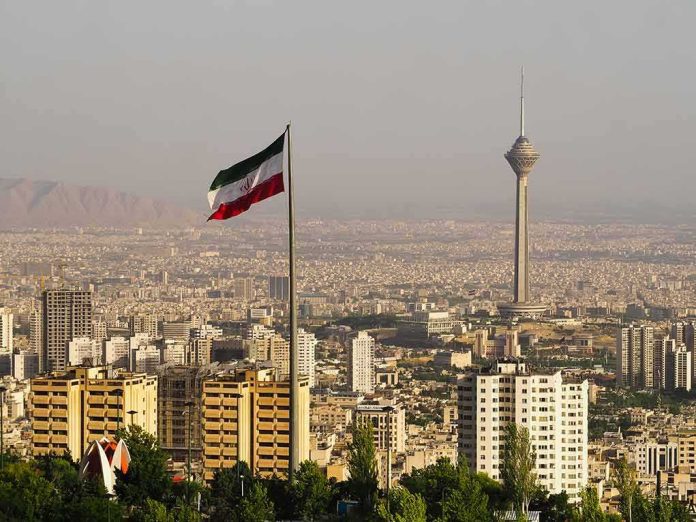
Iranian security forces have stepped up their presence in Tehran and other cities, with motorcycle patrols, checkpoints and forces positioned across major urban areas as authorities brace for possible unrest. Multiple sources inside Iran confirmed the deployments to Fox News Digital, describing a coordinated buildup rather than scattered local activity.
The timing lines up with Sacred Defense Week, Iran’s annual commemoration of its war with Iraq in the 1980s. But the scale goes beyond ceremonial displays. The National Council of Resistance of Iran reported that authorities placed top military and security forces on maximum alert in late September, deploying tens of thousands of personnel in Tehran alone.
A Mobilization Numbering in the Tens of Thousands
Iran’s Revolutionary Guard Corps has been running an expanding campaign called “Janfada-ye Iran,” which reportedly aims to mobilize 40,000 motorcyclists through Tehran as a large-scale show of force. The effort builds on an earlier exercise involving 313,000 people that began in the capital in September. Officials have paired the campaign with expanded street patrols, phone searches and added detention capacity, according to the resistance council’s reporting.
The buildup is not new. Reports from earlier in September described police, special units and Basij militia forces deploying heavily across Tehran, Mashhad, Shiraz, Karaj, Isfahan, Tabriz and other cities after a gasoline price increase took effect. Residents described fuel stations as “heavily secured,” with special units and Basij members constantly moving through crowded streets.
A Pattern Built Into the Regime’s Playbook
Iran’s response fits a pattern security analysts have tracked through multiple protest cycles. Reuters described the Revolutionary Guard and Basij as a layered security network numbering close to a million people, built to deter unrest through sheer presence and intelligence gathering rather than force alone. That system relies on visible preparedness as much as actual confrontation, making patrols themselves a form of warning to would-be protesters.
This is a header
Rights groups have documented how far that system has reached into everyday life. One report described Iran lowering the age for checkpoint and patrol duty to 12, with officials citing a need for broader manpower during periods of instability. Other accounts describe motorcycle patrols of up to 40 vehicles per battalion tasked with preventing anti-government slogans from appearing in city centers, part of guidelines used to crush the 2022 uprising.
Iranian authorities have stepped up security across Tehran and other cities, with motorcycle patrols, checkpoints and forces positioned in major urban areas, multiple sources inside Iran told Fox News Digital.
The buildup comes as university students in Tehran return to the… pic.twitter.com/QmT1BWvPOf
— Fox News World (@FNCGlobalNews) September 29, 2026
Residents in Tehran have described the shift in atmosphere directly. One person likened the capital to “a military garrison,” pointing to armored vehicles near sensitive areas and blocked routes leading toward central districts. Similar reports from Isfahan, Rasht, Mashhad and other cities describe a rising presence of morality patrols and plainclothes security personnel enforcing dress codes alongside the broader security push.
For Americans watching from outside, the images are a reminder of how governments under economic and political pressure often respond with visible control rather than addressing root causes. Whether in Tehran or elsewhere, citizens on both ends of the political spectrum recognize the same warning sign: when leaders answer public frustration with checkpoints and patrols instead of policy, trust between the governed and those who govern keeps eroding.
Sources:
redstate.com, noticias.foxnews.com, ncr-iran.org, us.headtopics.com, iranintl.com, iran-hrm.com, voiceofemirates.com, understandingwar.org