The Secret Service reportedly stepped in to stop Tiger Woods from driving Trump’s grandkids—an eyebrow-raising reminder that, even for celebrities with high-level connections, federal security protocols don’t bend.
Story Snapshot
- Reports say Secret Service agents would not allow Tiger Woods to drive President Trump’s grandchildren, citing standard protectee-security concerns.
- The reported restriction predates Woods’ March 27, 2026 DUI arrest and rollover crash in Martin County, Florida.
- Law enforcement said Woods showed impairment signs and failed field sobriety tests; his breathalyzer was negative for alcohol, and he refused a urinalysis, which led to charges.
- The situation highlights how rigid presidential-family protection rules can be, especially when minors are involved and a non-family adult is behind the wheel.
Secret Service Protocol Collides With Celebrity Convenience
Reporting indicates U.S. Secret Service agents have “not let” Tiger Woods drive President Donald Trump’s grandchildren, the children of Donald Trump Jr. and Vanessa Trump, who is reportedly in a relationship with Woods. The key point is less tabloid than procedure: when protectees are involved—especially children—agents tend to control transportation and limit who can operate a vehicle. The account is attributed to a family insider rather than an official Secret Service statement.
The detail that the driving restriction reportedly began before Woods’ late-March arrest matters because it frames the decision as a standing security posture rather than a reaction to breaking headlines. It also underscores a reality conservatives often appreciate when it’s applied evenly: agencies tasked with protection are expected to apply rules consistently, not carve out special exceptions because a person is famous, wealthy, or socially connected to the First Family.
What We Know About the March 27 DUI Arrest and Crash
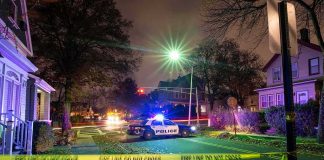
According to law enforcement details cited in the reporting, Woods was arrested March 27, 2026 in Martin County, Florida, after a crash involving his Land Rover. The vehicle reportedly rolled onto its side as he attempted to pass a truck at high speed. Authorities said he showed signs of impairment and failed field sobriety tests. A breathalyzer test was reportedly negative for alcohol, and no drugs or medication were found in the vehicle.
The charge, as described, hinges on Woods refusing a urinalysis after the negative breath test. Under Florida practice, refusing certain testing can carry consequences and still support an arrest process even when alcohol is not detected on a breath test. The reporting also says Woods was held for at least eight hours, described as consistent with Florida law. No court outcome or additional case updates were included in the available research.
Why the “Ban” Narrative Needs Careful Reading
The story’s viral framing uses words like “banned,” but the underlying claim appears to be a practical restriction imposed by agents responsible for protectee safety, not a public legal order or a formally announced federal sanction. The most concrete, on-the-record elements in the reporting come from local law enforcement’s description of the crash, arrest, and testing sequence. The Secret Service portion relies on an unnamed family insider, so readers should treat the wording as reported, not independently verified.
Security vs. Status: The Real Lesson for a Frustrated Public
Many conservative voters are exhausted by institutions that seem to operate with one set of rules for insiders and another for everyone else. This episode cuts the other way: it suggests agents prioritized the safety of minors over a celebrity’s convenience and over any perceived social permission that might come from friendship with the president. President Trump reportedly called Woods a “friend” and acknowledged he was having “difficulty,” but no evidence suggests that altered security posture.
Secret Service Reportedly ‘Not Letting’ Tiger Woods Drive With Trump’s Grandchildren #Mediaite https://t.co/2e8xEqgtw5
— #TuckFrump (@realTuckFrumper) March 29, 2026
The bigger takeaway is the boundary line. The Secret Service’s job is not to validate relationships, manage public relations, or protect reputations—it is to reduce risk around protectees. With children ages 11 to 18 reportedly covered by continuous protection, transportation control is one of the most basic tools agents use to prevent unpredictable variables. Based on the limited sourcing available, the practical effect remains: regardless of fame, agents appear to be treating the driving question as a security decision, not a popularity contest.
Sources:
Tiger Woods Banned By Secret Service From Driving Trump’s Grandkids: Report