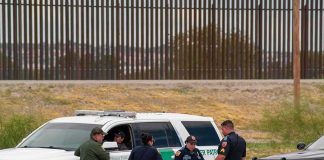
Tiger Woods’ shocking fourth high-profile car crash and second DUI arrest exposes a dangerous pattern that demands accountability from celebrities who risk lives on our roads.
Story Snapshot
- Tiger Woods arrested March 27, 2026, after rollover crash on Jupiter Island, Florida, marking his fourth major incident in 17 years.
- Charged with misdemeanor DUI with property damage and refusal to submit to lawful test after negative Breathalyzer but clear impairment signs.
- No injuries reported despite severe rollover; Woods struck another vehicle near his home.
- Pattern echoes past scandals: 2009 scandal crash, 2017 painkiller DUI, 2021 high-speed rollover with leg injuries.
Crash Details Emerge
On March 27, 2026, Tiger Woods drove his Land Rover on Jupiter Island, Florida, near his residence. The vehicle struck another car, flipped in a rollover, and left signs of impairment. Martin County authorities arrested Woods at the scene. Sheriff John Budensiek confirmed no injuries to Woods or the other vehicle’s occupant. A Breathalyzer tested negative, but Woods refused a urine test, prompting charges.
Prosecutors filed misdemeanor counts of DUI with property damage and refusal to submit to a lawful test. The incident unfolded Friday evening, with immediate law enforcement response. Budensiek noted impairment indicators despite the clean breath test. Woods faced booking without reported resistance. Investigation continues as charges proceed through local courts.
Recurring Pattern of Incidents
Woods’ history reveals three prior high-profile crashes over two decades. In 2009, his Escalade crashed into a hydrant and tree at 2:30 a.m. in Orlando amid an infidelity scandal. Authorities linked it to personal turmoil and possible substances. No formal DUI charges followed, but it ignited public scrutiny. That event set a precedent for Woods’ roadway troubles tied to off-course issues.
The 2017 DUI arrest occurred when deputies found Woods asleep at the wheel in Jupiter, Florida. Tests revealed prescription painkillers in his system, not alcohol. He entered a diversion program, avoiding conviction. Then, in 2021, Woods suffered severe leg injuries in a Los Angeles County rollover, driving 84-87 mph in a 45 mph zone. No charges resulted due to injury focus. Each case highlighted speed, impairment, or scandal.
This 2026 event mirrors those dynamics with rollover mechanics, impairment allegations, and test refusal. Sheriff Budensiek’s statements emphasize observed signs over test results. The proximity to Woods’ home raises questions about local safety for Jupiter Island residents. Repeated incidents fuel concerns over personal responsibility among elites who evade full consequences.
Legal and Reputational Fallout
Short-term consequences include court appearances, potential license suspension, and intense media coverage. Woods faces misdemeanor prosecution under Florida law, which treats test refusal harshly. Legal fees mount quickly, straining resources even for high earners. No statement from Woods appears in reports, leaving his defense strategy unclear. Golf associations watch closely for conduct impacts.
Long-term effects threaten Woods’ legacy as golf’s iconic figure. Endorsement deals risk cancellation amid accountability demands. Jupiter Island communities voice safety worries from celebrity mishaps. The other driver deals with property damage claims. Broader golf industry scrutiny parallels past athlete scandals, pressuring sponsors to reassess partnerships. Family circles absorb private strain from public exposure.
Social discourse intensifies on celebrity privilege and substance issues in sports. Conservatives value personal accountability, rejecting excuses for repeated risks to public safety. This case underscores equal justice under law, core to American principles. Limited expert analysis exists, but factual patterns speak volumes without speculation.
Sources:
Tiger Woods’ rollover crash is golfer’s 4th high-profile car crash and second DUI arrest – News4JAX