The fight over ICE body cameras isn’t really about cameras at all—it’s about who gets to control the story after the footage exists.
Quick Take
- Democratic leaders demanded ICE body cameras as a “guardrail” during a DHS funding showdown, then quickly pivoted to restricting how footage can be used.
- Two January shootings tied to immigration enforcement in Minnesota lit the fuse, with protests and competing claims about what happened on the ground.
- Republicans and the Trump administration embraced cameras as protection for agents against false accusations, while privacy advocates warned of surveillance creep.
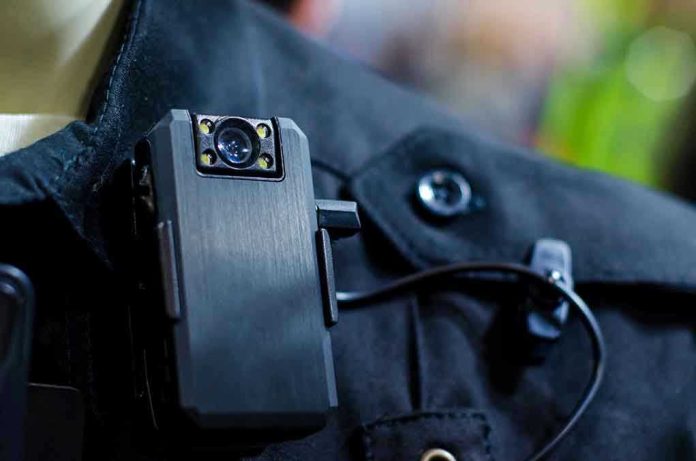
- A House-passed homeland security bill included $20 million for ICE body cameras even as the political messaging around them got messier.
Minneapolis Sparked the Demand, and Video Shaped the Narrative
January turned body cameras from a policy footnote into a political grenade. An ICE agent shot Renee Nicole Good, described as a legal observer, during an operation in Minneapolis on January 7. Border Patrol later shot Alex Pretti on January 24. Those incidents fueled protests and a fresh round of demands that immigration agents be more identifiable and more accountable. Once unrest hits the street, Washington immediately starts fighting over receipts.
Check Out the Hilarious Whiplash As Dems Flip-Flop on Bodycams When They Realize There's a Problem https://t.co/c3wFzC5U5u
— Eliza (@Elizaluvswinter) February 9, 2026
Body cameras sit at the center of that “receipts” war because they can confirm misconduct or puncture rumors. A phone video tied to the Good incident became central to public argument about what happened in the seconds before the shooting. That reality matters: cameras don’t just document actions; they force activists, politicians, and agencies to live with inconvenient details. Everyone loves transparency until it contradicts their preferred headline.
Schumer and Jeffries Asked for Cameras, Then Tried to Fence Them In
Chuck Schumer and Hakeem Jeffries initially pushed body cameras as part of a list of DHS funding “guardrails,” a move that fit the moment: high emotions, a looming funding deadline, and demands for reforms that sound reasonable to a wide audience. Days later, Democrats shifted toward limiting how body camera footage could be used after privacy advocates raised fears about surveillance and facial recognition. The abruptness is what made the pivot so visible.
The practical effect of “cameras, but…” depends on the fine print. Rules about retention, access, and when footage can be released can either protect civil liberties or quietly make cameras toothless as accountability tools. If agents wear cameras but the public never sees footage during controversial incidents, the technology becomes more about internal documentation than public trust. If footage releases without guardrails, it can expose victims, witnesses, and bystanders to real risk.
Noem, Trump, and the Conservative Case: Cameras Protect the Innocent
DHS Secretary Kristi Noem announced body cameras for federal agents in Minneapolis, with expansion tied to funding. President Trump also favored cameras, arguing they protect law enforcement from lies. From a conservative, common-sense perspective, that argument has weight: society can’t demand policing and enforcement, then leave officers defenseless against edited clips, viral claims, or politically motivated accusations. Video evidence can vindicate good agents as surely as it can expose bad ones.
Heritage Foundation voices framed cameras the same way: a shield against false misconduct claims. That view reflects a broader American value—due process applies to everyone, including officers and agents. The strongest case for body cameras isn’t blind faith in government; it’s the belief that objective evidence beats rumor. Cameras can reduce the incentive for opportunists to fabricate, and they can also give supervisors real material to discipline agents who violate policy.
The Privacy Objection Isn’t Crazy—But It Can Be Weaponized
Privacy advocates warned that body cameras can become tools for mass surveillance, especially if agencies pair footage with facial recognition or use it to identify protesters. DHS has denied using facial recognition on the cameras themselves, but skeptics worry about what happens after the recording exists—downloads, database searches, and sharing across agencies. The fear isn’t science fiction. Americans have watched technology meant for safety quietly expand into broad monitoring.
The problem is that privacy rhetoric can be used as a convenient escape hatch when transparency stops being politically useful. The timing of the Democratic shift—after demanding cameras as a guardrail—invited skepticism. Voters over 40 have seen this movie: one side calls for accountability when it hurts the other side, then discovers “nuance” when accountability might boomerang. Real principles hold steady when the evidence cuts both ways.
Follow the Money and the Fine Print in the $20 Million Body-Cam Push
The House homeland security bill set aside $20 million for ICE body cameras, and the body-cam industry’s biggest name, Axon, positioned itself for more federal business after earlier contracts. Critics on the left attacked the funding as a contractor-friendly move, while others treated it as a basic modernization step. Both can be true: government can need cameras, and vendors can still profit handsomely from a crisis-driven procurement pipeline.
Policy design will decide whether this becomes accountability theater or a real improvement. Mandatory activation rules, penalties for “camera malfunction” abuse, public release standards, and protections for bystanders all matter more than press conferences. Conservatives should insist on tough, clear standards that protect innocent citizens from surveillance while preserving law enforcement’s ability to defend itself with evidence. Americans don’t need ambiguity; they need rules that ordinary people can understand.
The strangest part of this episode is how it reveals a deeper truth: many politicians fear video because video makes spin expensive. If cameras roll and rules keep footage credible, the country gets closer to reality—messy, imperfect reality, but reality. The public should demand body cameras paired with strict limits on surveillance use and clear pathways for releasing footage when deadly force becomes a national controversy. That’s not whiplash. That’s adulthood.
Sources:
Democrats Flip-Flop On ICE Agents And Body Cameras
Democrats, ICE Reform, and Body Cameras
Senate Dems demand immigration agents unmask, wear body cameras and carry IDs as shutdown looms
DHS Secretary Noem stands by body camera requirement for federal agents following Trump comments
House GOP offer to Dems explicit funding for ICE body cameras following Minneapolis shooting