
A $70 million federal warehouse buy in Arizona is turning into a flashpoint over who controls immigration enforcement—Washington or local communities left in the dark.
Story Snapshot
- DHS purchased a 400,000+ square-foot warehouse in Surprise, Arizona, for more than $70 million on Jan. 23, 2026, according to county records.
- ICE plans to convert the site into a 1,500-bed immigration processing facility as detention capacity expands under President Trump.
- City of Surprise officials say they were not notified, fueling questions about transparency and local preparedness.
- Democratic officials warn about disruptive enforcement and detention conditions, while federal officials say detainees will receive required care and access.
A Surprise, Arizona Purchase Signals a Major Detention Expansion
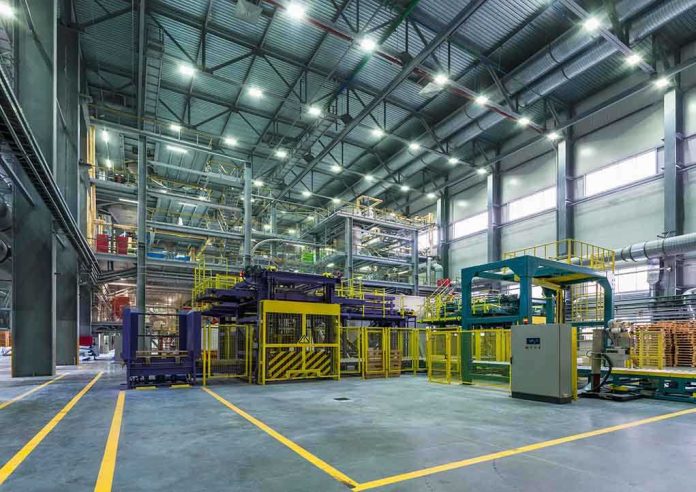
DHS quietly bought a massive warehouse in Surprise, Arizona—more than 400,000 square feet, described as roughly seven football fields—paying over $70 million for a property previously used for storage and shipping. Reports say ICE intends to retrofit the site into a 1,500-bed processing center for immigration detainees. As of early February 2026, a construction timeline and operational start date have not been publicly released, and ICE has offered limited public detail.
For many conservative voters who watched years of lax border policies and “sanctuary” politics collide with rising local costs, the core question is practical: will this facility help restore order and speed up removals, or will it become another bureaucracy-heavy holding site that invites lawsuits and delays? Based on available reporting, the purchase itself is confirmed, but key operational specifics—staffing, medical contracting, and intake logistics—remain unclear.
Local Officials Say They Weren’t Told—And That Matters
City officials in Surprise said they had no communication from the federal government before reports surfaced about the purchase and ICE’s intended use. That lack of notice creates immediate local concerns that are not ideological: traffic patterns, emergency response, infrastructure strain, and public safety coordination. When federal agencies move fast without basic coordination, residents understandably worry about downstream impacts—especially in fast-growing suburbs where policing, fire services, and hospitals already plan carefully around population growth.
U.S. Rep. Greg Stanton, a Democrat representing the area, said he is concerned the facility signals disruptive enforcement activity in communities. His framing aligns with a broader partisan argument that stepped-up immigration enforcement is inherently destabilizing. Conservatives generally see the opposite problem: when enforcement collapses, communities face disorder, fentanyl trafficking, school overcrowding, and wage pressure. Even so, the transparency issue is real—effective enforcement still benefits from clear rules, clean processes, and coordination that limits confusion.
National Enforcement Push Meets Legal and Humanitarian Critiques
Reporting ties the Arizona facility to a wider pattern: ICE has explored converting warehouses into detention sites in multiple states, with attention turning to Arizona as a key border hub. At the same time, ICE has faced legal pushback elsewhere, including court disputes in Minnesota tied to compliance with judicial orders. Those cases matter because they preview what happens when enforcement expands rapidly: courts become the battleground over process, limits, and individual claims, potentially slowing removals.
Arizona also brings its own controversy. Reports cite deaths in custody at existing detention centers such as Florence and Eloy, with one cited figure describing 31 deaths in the prior year, up from 11. State Sen. Annelise Ortiz, a Democrat, used incendiary language to condemn the expansion and argued it risks sweeping up lawful residents, including DACA recipients. The strongest takeaway from available facts is not the rhetoric, but the oversight challenge: scaling detention requires airtight due process and medical standards.
What the Constitution-and-Order Debate Looks Like on the Ground
Conservatives typically support strong borders because sovereignty is meaningless without enforcement. But the constitutional concerns raised by critics cannot be answered with slogans; they are answered with procedures. If ICE expands capacity, it must also expand safeguards that prevent mistaken identity detentions and ensure access to counsel and prompt hearings. Federal officials have said detainees receive proper care and access, but detailed plans for this specific Surprise facility have not been released publicly.
ICE Drops $70 MILLION On Massive Arizona Warehouse To DETAIN and DEPORT Illegals https://t.co/azPR0ZXWEU As Trump cranks up the deportation machine, Arizona Dems meltdown over a new mega-facility.
— m o d e r n i t y (@ModernityNews) January 31, 2026
The political reality in 2026 is that President Trump’s mandate includes reversing the incentives that drove illegal immigration during prior years. This purchase indicates the administration is investing in infrastructure to process cases and removals at scale rather than relying solely on short-term bed space. Still, local secrecy and the absence of a published retrofit timeline leave unanswered questions that matter to taxpayers: how fast will it come online, what guardrails will govern it, and how will ICE avoid the very abuses critics cite?
Sources:
ICE is planning a 1,500-bed processing facility in a Surprise warehouse it just bought for $70M.
Rep. Greg Stanton says he’s concerned about the large warehouse ICE bought in Surprise