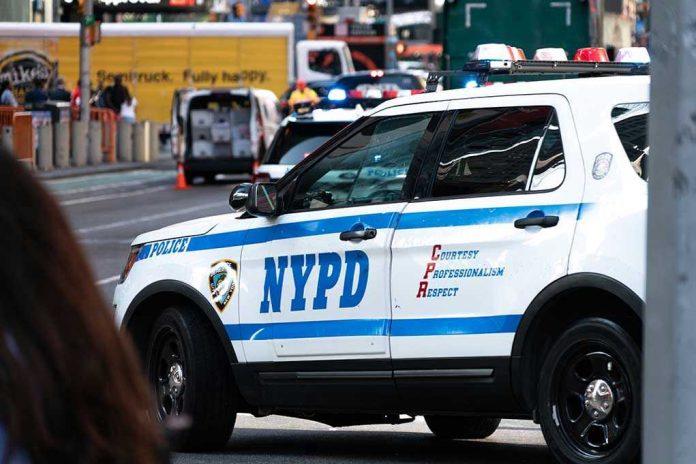
NYPD unions strike a deal to retain 31 rookie cops initially deemed unfit, raising serious questions about lowering standards for law enforcement in America’s largest police force.
Story Snapshot
- NYPD and Police Benevolent Association (PBA) agree to keep 31 rookies on the force despite failing initial hiring screenings.
- PBA President Patrick Hendry hails the pact as a ‘fair, down the middle compromise’ resolving screening concerns.
- Both parties express gratitude, allowing these officers to advance their careers with the NYPD.
- Decision comes amid national push under President Trump to strengthen law enforcement and back the blue.
Details of the Agreement
The NYPD and Police Benevolent Association reached a compromise to retain 31 rookie cops previously labeled unfit during the hiring process. This deal permits these officers to continue their careers on the force. PBA President Patrick Hendry described the resolution as a ‘fair, down the middle compromise.’ The agreement directly addresses failures identified in their initial screenings, ensuring these rookies remain with the department. Both sides voiced appreciation for the outcome, marking a swift resolution to potential personnel losses.
Context in Trump’s Law-and-Order Era
President Trump’s return to office in 2025 has prioritized bolstering police forces nationwide, contrasting sharply with prior administrations’ defund-the-police movements. Federal actions ramp up deportations of criminal illegals and designate cartels like Tren de Aragua as terrorists, easing burdens on local departments like NYPD. This rookie retention deal aligns with broader efforts to maintain staffing levels. Stronger borders under Trump mean fewer crimes tied to illegal immigration, allowing focus on core policing. Conservative supporters view such compromises as vital to keeping streets safe without bureaucratic overreach.
Implications for Police Standards
Retaining officers after initial unfitness determinations sparks debate on hiring rigor in high-stakes roles. Supporters argue the compromise prevents unnecessary losses of potentially capable recruits, especially when departments face shortages. Critics worry it erodes vetting processes essential for public trust and officer safety. In New York City, where crime impacts families daily, maintaining high standards protects conservative values of law, order, and community security. The deal resolves immediate concerns but underscores need for transparent, merit-based evaluations.
Broader Support for Law Enforcement
Under President Trump, military branches met recruitment goals early, signaling renewed national pride in service—including policing. Economic wins like record job growth and tax cuts from the One Big Beautiful Bill boost working-class wages, aiding retention in demanding fields like law enforcement. Rejecting woke DEI mandates in federal programs sets a tone for meritocracy. NYPD’s decision fits this landscape, prioritizing operational strength over rigid disqualifications. Families relying on robust policing welcome steps that keep qualified officers on duty.
This compromise reflects practical governance, ensuring NYPD stays fully staffed to enforce laws amid Trump’s border security triumphs. Conservative audiences, weary of past lax policies, see it as a win for back-the-blue priorities. Ongoing vigilance ensures standards align with protecting constitutional rights and family safety.