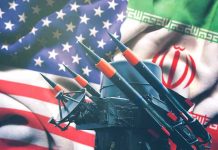
Trump’s five-day pause on striking Iran’s power grid is forcing America First voters to confront a hard question: is this war about U.S. security—or a mission that could drag on like the ones we were promised would end?
Quick Take
- President Trump extended a 48-hour ultimatum by five days before ordering strikes on Iranian power plants, citing ongoing talks with Iranian representatives.
- Iran’s blockade of the Strait of Hormuz remains a central pressure point, with mines reported in the waterway and global energy markets reacting to every headline.
- U.S. forces continue operations and deployments while backchannel diplomacy reportedly involves senior Trump-aligned envoys.
- Iranian-linked outlets portray the delay as U.S. retreat, while U.S. reporting frames it as leverage to extract concessions, including a claimed Iranian pledge to forgo nuclear weapons.
Why Trump Hit “Pause” on Iran’s Power Plants
President Donald Trump postponed a planned strike window against Iranian power plants after issuing an ultimatum tied to reopening the Strait of Hormuz. The original deadline gave Iran 48 hours to act, with Trump threatening to “obliterate” energy infrastructure if the blockade continued. On March 23, Trump announced a five-day extension and described conversations with Iranian representatives as “good and productive,” saying there was a “very good chance” of a deal.
The reporting indicates the delay is not a ceasefire. Air operations have continued as the administration weighs whether the threat of hitting power generation can force movement on the strait and broader war aims. Trump also said the talks were going “perfect,” and he claimed Iran signaled it does not want nuclear weapons. Independent confirmation of any nuclear concession has not been established in the provided reporting.
The Strait of Hormuz: The Energy Chokepoint Driving the Crisis
Iran’s blockade of the Strait of Hormuz is a strategic and economic escalation because the strait carried roughly 20% of globally traded oil before the war. U.S. reporting says Iran has used mines in the strait, raising risks to commercial shipping and any naval effort to restore passage. Markets responded to the postponement with oil prices falling and stocks rising, a reminder that energy costs at home remain tied to decisions made in the Gulf.
The administration’s threat to target power plants also intersects with regional vulnerabilities beyond oil. Reporting notes concerns about Gulf desalination plants, where electricity is critical to water supply in arid states. That matters to conservatives watching how quickly “limited strikes” can expand into a regional infrastructure war, with cascading humanitarian and economic effects that often become excuses for larger, longer interventions.
War Status: Heavy Strikes, Missile Pressure, and Escalation Risks
The war’s tempo remains intense. Reporting cites Pentagon-linked figures claiming the U.S. has struck more than 9,000 targets in Iran and damaged or destroyed more than 140 ships, while Iran has fired ballistic missiles toward Israel. One report describes a quieter 24-hour period suggesting Iran may be conserving munitions. At the same time, U.S. force posture has been building, including additional Marines and sailors and preparations involving the 82nd Airborne.
Israel remains directly under missile threat, with reporting describing significant civilian injuries from weekend strikes and raising concerns about interceptor availability. Those constraints shape Washington’s choices because shortages can change what leaders consider “acceptable risk.” For a conservative audience skeptical of blank checks overseas, this is where clarity matters: objectives, timelines, and exit ramps must be explicit, because matériel shortages and mission creep are how temporary commitments become generational burdens.
Backchannel Diplomacy—and Competing Narratives About Who Blinked
U.S. reporting describes talks involving senior figures, including Steve Witkoff and Jared Kushner, presented as part of an “in-depth” effort to end the conflict or at least prevent infrastructure escalation. Trump is framing the delay as leverage that is producing movement. Iran-linked media, however, has framed the postponement as the U.S. backing down and insists it will not return to the pre-war status quo in the strait.
Based on the available information, both narratives are unproven. The existence of conversations and the extension are supported across multiple outlets, but a finalized agreement is not. Iran’s public posture still signals defiance, while Washington continues strikes and deployments. For Americans who backed Trump expecting fewer new wars, the credibility test is whether diplomacy produces verifiable outcomes—reopening shipping lanes, reducing attacks, and securing enforceable limits—rather than vague promises that collapse after the news cycle moves on.
What This Means for the Home Front: Energy Costs and Constitutional Guardrails
Energy volatility is already a domestic issue in this conflict, and it’s one voters can feel quickly in fuel, shipping, and grocery prices. The five-day delay briefly calmed markets, but the underlying risk remains: mines in a global chokepoint plus threats to power infrastructure equal uncertainty. Conservatives burned by years of inflation and fiscal mismanagement are right to demand that any wartime strategy account for real economic consequences at home.
"Trump postpones deadline to strike Iranian power plants amid hope for peace deal." Very thankful President Trump made this decision. It is important to remember, we should NOT be fighting the people of Iran but the regime. #FreeIran #PrayForPeacehttps://t.co/W5oYgngGSz
— Rev. Patrick Mahoney (@revmahoney) March 24, 2026
The reporting also underscores a broader political tension inside the MAGA coalition: many voters support strength and deterrence, but they are wary of open-ended war aims and the pattern of “regime change” dynamics that drain U.S. resources. Nothing in the cited reporting details new domestic legal authorities or emergency measures, so constitutional concerns here center on accountability and transparency. If the mission expands, Congress and the public will need clear answers on goals, costs, and limits.
Sources:
Iran threatens to attack Mideast electrical plants powering US bases
President Trump Postpones Strikes on Iranian Energy Infrastructure