Russia has freed Marine veteran Robert Gilman after years of prison, but the case still shows how fast a criminal case can turn into a diplomatic crisis.
Quick Take
- President Trump said Russia released Robert Gilman on a humanitarian basis after talks with President Vladimir Putin.
- Reuters reported that U.S. officials had repeatedly asked Russia to free Gilman so he could receive urgent medical care in the United States.
- Russian reporting tied Gilman’s detention to assault allegations involving a police officer, prison staff, and an investigator.
- Advocacy groups and Gilman’s family said his health had sharply worsened in custody.
Release After Years of Pressure
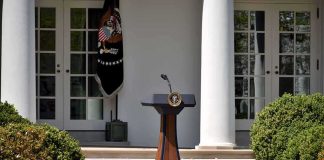
Trump announced that Gilman had been released from Russian custody and was returning to the United States. He said Russia agreed to free him on a humanitarian basis after discussions with President Vladimir Putin. That marks the end of a long detention that drew repeated public pressure from the White House, the State Department, family members, and advocacy groups.
Reuters reported that Gilman was one of at least nine Americans still held in Russia before this release. CBS News said an advocacy group had described him as gravely ill and at risk of dying, while the State Department said it had raised his case repeatedly and sought his release on humanitarian grounds. The release fits a pattern seen in past U.S.-Russia detention disputes, where health concerns and diplomacy move together.
What Russia Said Happened
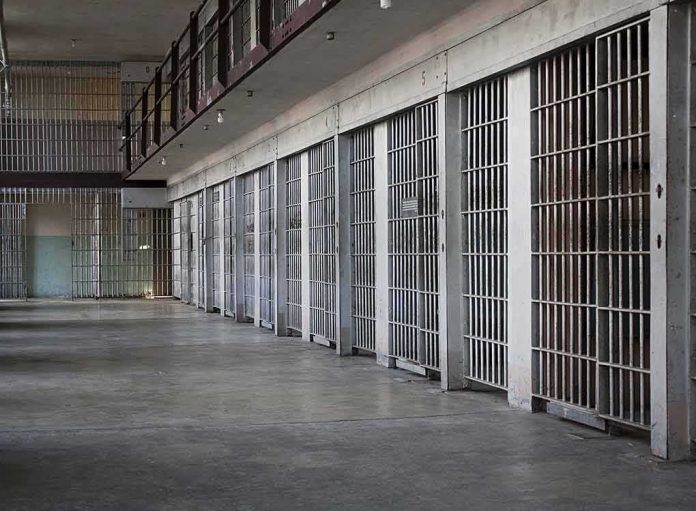
Russian authorities have long linked Gilman’s detention to violence-related charges. The BBC reported that he was sentenced in Russia for kicking a police officer while drunk after being removed from a train in 2022. Reuters later reported that Russian courts added time after new allegations that he attacked prison personnel, and said a December 2025 ruling pushed his total sentence to ten years.
That legal record matters because it gives Russia a formal criminal basis for the detention. At the same time, the public material supplied here does not include the full Russian court file, transcript, or sentencing orders. That leaves room for dispute over how the case was handled, but not for a claim that no criminal case existed at all.
Health, Humanitarian Claims, and the Politics Around the Case
Family members and advocates said Gilman’s condition had become dire, describing a dissociative stupor, forced medication, and abuse in custody. The State Department said it was deeply concerned and had asked for his release on humanitarian grounds. The James W. Foley Foundation also lists Gilman as a wrongful detainee, showing how U.S. advocacy groups view the case through a hostage-style lens rather than a simple criminal one.
That split explains why the case drew attention far beyond one prisoner. Supporters see an American caught in a harsh foreign system that may use charges and sentence extensions to hold leverage. Russia’s account says the detention rests on assault findings. Both things can shape public opinion at once, and both expose how little ordinary citizens can verify when governments, courts, and advocacy groups all tell different stories.
Why This Case Resonates
Gilman’s release will be seen by many as a welcome rescue, especially after reports that his health had collapsed. It may also deepen suspicion on both sides of the political divide. Supporters of a tougher foreign policy will see another example of an American needing rescue from a hostile power, while critics will point to a system where families and diplomats spend years fighting to move one case through layers of official delay.
The broader lesson is simple. When a detention case becomes tied to injury, politics, and prisoner swaps, the public usually gets fragments first and the full record much later. In Gilman’s case, the known facts now include a release, a long prison record, and repeated U.S. appeals on humanitarian grounds. What remains disputed is the deeper legal and medical story that brought him to that point.
Sources:
facebook.com, bostonglobe.com, cbsnews.com, keyt.com, economictimes.indiatimes.com, nytimes.com