After Iran’s missile and drone strikes killed American soldiers in Jordan, President Trump vowed Iran “will pay many times over,” and U.S. forces have answered with sustained retaliation backed by clear public pledges to avenge the fallen.
Story Highlights
- U.S. Central Command reported two Americans killed in Jordan during Iranian attacks.
- Earlier strikes left six U.S. service members dead as the war expanded across the region.
- President Trump promised payback and ordered operations targeting Iran’s capabilities.
- Iran and its officials pushed claims that the U.S. rejects as false or inflated.
Fatal Strikes On U.S. Forces And Trump’s Retaliation Pledge
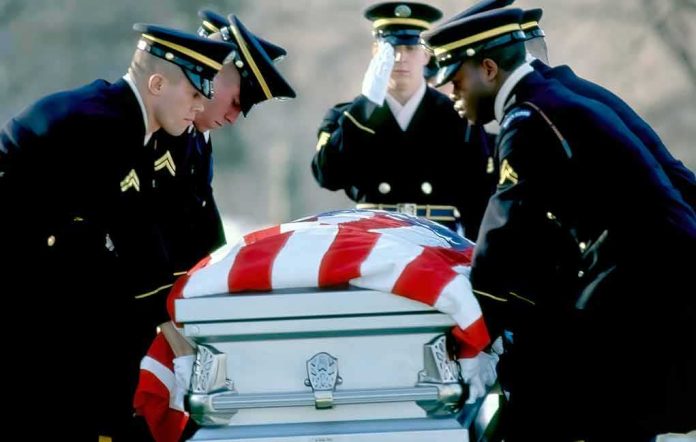
U.S. Central Command said two American service members were killed in Jordan while defending against Iranian missile and drone attacks, pushing the war’s U.S. death toll higher. Days earlier, officials confirmed six U.S. troops were killed during Iran’s initial response to U.S. and Israeli strikes, marking a sharp escalation. President Donald Trump said the United States would avenge American deaths and keep pressure on Iran. He said the strikes seek to end imminent threats and degrade Iran’s attack tools.
White House statements and military briefings described a campaign to punish Tehran for attacks that hit U.S. personnel and bases. Senior leaders framed the response as necessary to restore deterrence and protect forces. The President’s public vow that Iran would “pay many times over” set the tone, signaling a cost for any further American loss. Commanders described focused targets tied to Iran’s short-range missiles, drones, and support nodes used to hit U.S. positions.
Conflicting Claims And What The Record Shows So Far
Iranian officials and aligned media pushed sweeping casualty claims, including hundreds of alleged U.S. deaths. Tehran’s National Security Council chairman Ali Larijani also claimed mass casualties and detentions. U.S. officials denied those assertions. Public reporting and military releases instead list a smaller, confirmed count: six Americans killed in the opening days and later deaths, including two in Jordan, with identities released over time as families were notified.
Major outlets and defense briefings highlighted the confirmed numbers and locations, not the inflated claims. Reporters cited U.S. Central Command and Pentagon statements that linked recent U.S. fatalities to Iranian missile and drone strikes in Jordan and to earlier strikes across the theater. President Trump publicly mourned the fallen, called their service a duty to country, and backed active operations to prevent more attacks. Military leaders said the response would continue as needed to reestablish deterrence.
Why This Escalation Matters To U.S. Security And Deterrence
Regional watchers have tracked years of Iranian-linked attacks on U.S. sites. Analysts documented many incidents across Syria, Iraq, and Jordan since late 2023, often tied to Iranian-backed groups. Today’s fights feature more direct Iranian missiles and drones, which raise the stakes and demand a clear answer. The goal, according to officials, is to break the cycle by hitting Iran’s tools, disrupting launch sites, and warning leaders that killing Americans carries a heavy cost.
For conservative readers, the core test is simple: protect American troops, restore peace through strength, and reject weak talk from regimes that lie about body counts. The record to date shows confirmed U.S. deaths from Iranian attacks and a clear pledge from the Commander in Chief to retaliate. As operations continue, the standard remains unchanged—hold Tehran responsible for each American life taken and deny it the means to do it again, until attacks stop and deterrence sticks.
Sources:
facebook.com, aljazeera.com, nhpr.org, knpr.org, fortune.com, crsreports.congress.gov, en.wikipedia.org