A Wisconsin license plate alert sent police into a high-risk stop of two innocent people and reignited fears that automated surveillance can turn a paperwork error into an armed confrontation.
Quick Take
- Brookfield police stopped a silver SUV on Interstate 94 after a Flock alert tied it to a Milwaukee homicide investigation.
- Milwaukee police later said the wanted-vehicle alert had not been removed from the system.
- The people in the vehicle had nothing to do with the homicide, according to local reporting.
- The case landed in the middle of a wider Wisconsin fight over Flock Safety cameras and police surveillance.
What Happened on Interstate 94
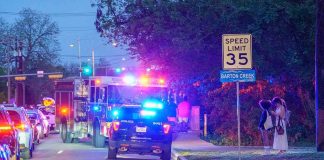
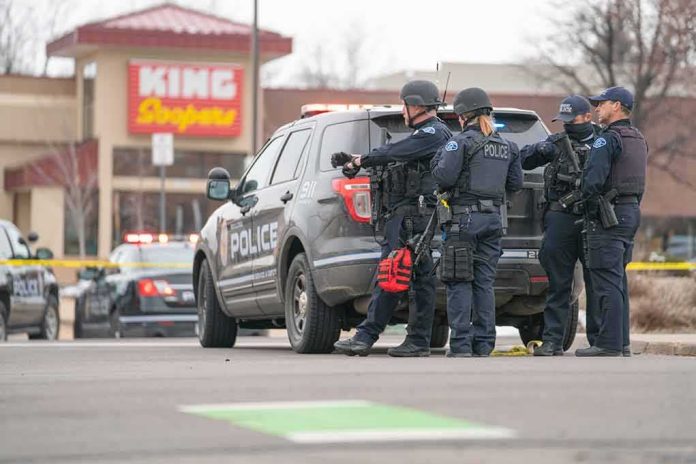
Brookfield police said their officers pulled over the SUV after a camera alert linked it to a homicide case. Local reports said the stop was high risk, and the two occupants were detained at gunpoint before police learned they had no link to the investigation. Milwaukee police later said the alert stayed in the system because staff did not remove it, which shifted blame to human error rather than the camera network itself.
That distinction matters because the stop was not a quiet false match. It became a forceful roadside encounter that could have ended badly if anything had gone wrong. Critics say that is the real danger of automated plate readers: even if the first mistake starts in police data, the alert can still push officers toward a dangerous stop before anyone has time to verify the record.
Why the Officials Say It Was Not a Flock Failure
Milwaukee police publicly said, “This was not a Flock issue,” and said an officer or staff member failed to delete the wanted-vehicle alert after it was no longer needed. Brookfield’s police chief also defended his officers and said they acted on the information they received. That response is important because it shows the agencies are arguing over blame, not denying that innocent people were stopped.
Flock Safety’s own description of its license plate readers helps explain that defense. The company says the cameras read plates, create searchable vehicle data, and send leads to law enforcement. That means the system is meant to help officers find a vehicle, not replace officer judgment. In other words, police still have to decide whether the alert is current, whether the plate matches, and whether the stop is justified.
A Wider Surveillance Fight in Wisconsin
The Brookfield stop is landing at a time when Wisconsin cities and campuses are already reassessing Flock contracts. Reporting this year showed backlash from privacy groups, county officials, and universities that questioned how much surveillance is worth the tradeoff. Some communities have dropped or reconsidered the cameras, while supporters say the tools help solve violent crimes and find missing people.
That split helps explain why the Brookfield case spread so fast. Supporters see a police data mistake and a useful tool that was not used correctly. Critics see the same event as proof that a growing surveillance system can turn a bad entry into a gunpoint stop for ordinary drivers. Both sides agree on one thing: once an alert reaches officers in the field, the stakes are no longer abstract.
What Still Needs to Be Answered
The public record so far answers some basic questions, but not all of them. It shows the alert was stale, the stop was real, and the people in the SUV were not tied to the homicide. It does not yet show the full alert trail, the radio traffic, or the exact steps officers took before drawing down on the vehicle. Those records would help settle how much of the failure came from bad data and how much came from the way the system was used.
The case also taps into a deeper public worry that crosses party lines. Many Americans now see government systems as too fast to track, too hard to challenge, and too willing to put innocent people at risk. When a camera alert can trigger an armed stop on a freeway, the fight is no longer just about one vendor. It is about who controls the data, who checks it, and who pays the price when the system is wrong.
Sources:
townhall.com, youtube.com, cbs58.com, fox11online.com, wisconsinwatch.org, wbay.com, govtech.com, wearegreenbay.com, themarysue.com