
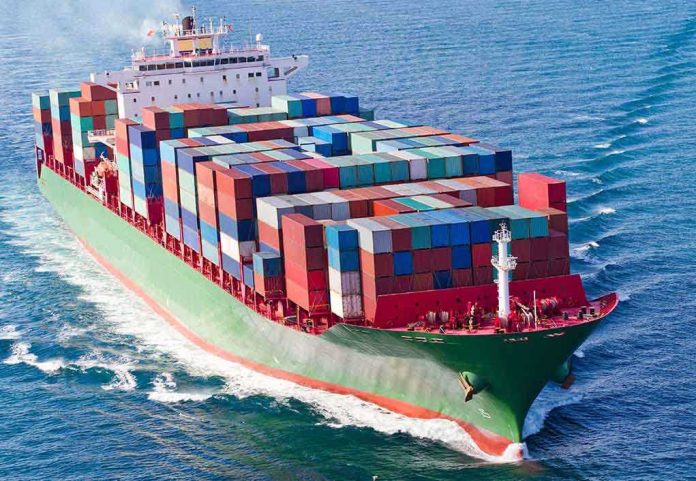
A single shipmaster’s distress call near Iran’s coastline is a reminder that the world’s most important oil chokepoint can be destabilized by a few fast boats.
Quick Take
- A northbound bulk carrier reported an attack by multiple small craft about 11 nautical miles west of Sirik, Iran, near the Strait of Hormuz; all crew were reported safe.
- UK Maritime Trade Operations (UKMTO) urged vessels to transit with caution as an investigation continued and no group claimed responsibility.
- The incident follows earlier reports of ships being fired upon in late April and additional hostile activity reported May 2, intensifying pressure on commercial shipping.
- The event unfolded amid U.S. enforcement of a naval blockade on Iranian ports and stalled peace efforts that President Trump has described as inadequate.
Attack Report Near Sirik Highlights How Thin the Margin Is in Hormuz
UK Maritime Trade Operations reported that a northbound bulk carrier came under attack from multiple small craft roughly 11 nautical miles west of Sirik, Iran, near the Strait of Hormuz. UKMTO said the crew was safe, no injuries were reported, and no environmental impact was reported at the time of the alert. With the vessel unnamed and responsibility unclaimed, the event remains under investigation, but shipping was told to proceed cautiously.
Commercial operators watch this corridor closely because the Strait of Hormuz is a narrow passage critical to global energy trade. Research summarized from the reporting places roughly 20% to 30% of global oil trade through the strait, meaning even ambiguous, low-damage incidents can move markets and change routing decisions. When crews are told to heighten watchstanding and slow transits, costs rise immediately through delays, insurance, and security measures.
Blockade Pressure and Asymmetric Tactics Are Colliding at Sea
The attack report landed amid a broader confrontation involving the United States, Israel, and Iran, where harassment by small, fast boats has historical precedent going back to the Iran-Iraq “Tanker War” era. The research notes a pattern of repeated incidents since the current conflict began, including an earlier attack report on April 22 and additional hostile activity reported on May 2. Even without confirmed attribution, the tactics described fit the low-cost, high-disruption model that has repeatedly threatened shipping.
U.S. actions at sea add to the stakes. The research indicates the U.S. military has enforced a naval blockade aimed at Iranian ports, reportedly blocking dozens of ships and millions in oil revenue. It also describes a same-day interdiction in which the U.S. Navy seized an Iranian-flagged ship suspected of attempting to evade the blockade. Those moves tighten economic pressure on Tehran, but they also increase the chance that commercial mariners get caught in retaliatory signaling.
Peace Talk Signals Are Mixed, and Ceasefire Claims Remain Contested
President Trump’s public posture, as summarized in the research, rejects Iran’s peace proposal as inadequate and frames the ongoing talks as non-nuclear in nature. Iranian officials, meanwhile, have asserted control measures over the strait, including demands that some ships pay tolls and the claim that Israeli-linked vessels are barred. With negotiations described as continuing and U.S. officials reportedly traveling to Pakistan for talks, maritime incidents risk turning diplomatic time into operational crisis.
What This Means for Americans: Energy Prices, Supply Chains, and Trust
For Americans, the Strait of Hormuz matters less as a distant map point than as a direct input into energy costs and inflation expectations. When shippers reroute, pause, or pay higher risk premiums, those costs can show up across fuel, transport, and delivered goods. Conservatives often argue that reliable energy and credible deterrence protect working families from price shocks, while many liberals focus on humanitarian risk and escalation. Both sides increasingly share a frustration: Washington’s decisions, when poorly executed, can leave citizens paying for elite miscalculations.
BREAKING: A large cargo ship reports being attacked by multiple small boats in the Strait of Hormuz just 11 miles from Iran's coast. pic.twitter.com/t28KVThfsk
— GBX (@GBX_Press) May 3, 2026
The key factual limitation is that the attacker remains unidentified, the vessel’s name has not been publicized in the provided material, and damage details beyond “no injuries” and “no environmental impact” were not specified. Even so, UKMTO’s cautionary guidance reflects an operational reality: in a high-traffic chokepoint with active state tensions, “no damage” today can still become a higher-risk baseline tomorrow. The next variable to watch is whether incidents cluster again before talks produce a durable de-escalation.
Sources:
Cargo ship attacked by small craft near Strait of Hormuz, UK maritime agency says