Israel’s open embrace of the Shah’s son as a future leader of Iran shows how fast the region is shifting—and how little hard proof there is for claims of a secret signed pact.
Story Snapshot
- Israeli leaders openly support exiled crown prince Reza Pahlavi and talk about regime change in Iran.
- Pahlavi asks the United States and Israel to back a “liberation campaign” and rejects new nuclear talks.
- Pahlavi’s visits to Israel and calls for renewed Iran–Israel ties spark anger among many Iranians.
- No public document or major news report proves Israel and Pahlavi signed a formal regime-change agreement.
Israel’s Bet on the Shah’s Son
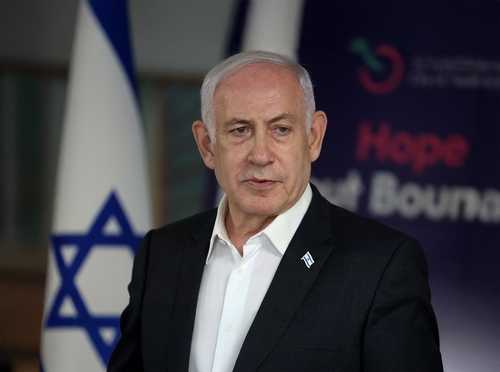
Israeli officials have made it clear they see Reza Pahlavi as a possible partner if Iran’s regime falls. Science Minister Gila Gamliel, who once served as intelligence minister, praised him as a figure trusted by Iranians and said Israel “supports him” and will stand with the Iranian people “with all our strength” when they choose change. Prime Minister Benjamin Netanyahu has framed the long Iran conflict as a path to “liberation” for ordinary Iranians, not just a fight over nukes. For conservatives, this lines up with a tougher stance on terror states, but it also raises questions about how far any ally should go in trying to pick another nation’s leaders.
Pahlavi himself has pushed for this close alignment. During the Iran–Israel war, he told audiences that Israeli and American strikes on Iranian targets were part of a “liberation campaign,” not attacks on the Iranian people. He urged Washington to drop talks with Tehran and “fully support regime change.” These are strong words that many in our audience may welcome after years of weak-kneed appeasement. But they also fit a bigger pattern that experts call foreign-imposed regime change, which history shows rarely produces real democracy and often leads to civil war or deeper chaos.
High-Profile Visits and a Push for Historic Ties
Pahlavi has not stayed in the shadows. In 2023 he visited Israel at Gila Gamliel’s invitation and met Netanyahu, saying he came to bring “a message of friendship from the Iranian people.” He prayed at the Western Wall and spoke about restoring the “historic friendship” Iran once had with Israel under his father’s rule. In later remarks in Israel, he said Iranians are “absolutely” ready for normal ties with Israel and called for the two countries to again become “strategic partners,” if the current regime is replaced. For many Israelis, media reports say there is a clear preference for Pahlavi’s return if war ever topples the regime. That tells you how strongly some in Israel now see him as their man for the next Iran.
Inside Iran and across the diaspora, though, this open alliance has been a major fault line. Critics say his warm ties with Netanyahu and backing for Israeli military action have turned him into an “Israel-appointed” ruler in the eyes of many, a label that is poison for his legitimacy. Reports from Berlin and other European cities describe protests, hostile questions, and stunts like a tomato sauce attack aimed at him, as angry Iranians challenge his support for foreign strikes and his mixed messages on outside military help. One analysis notes that no sizable share of Iranians is calling for a return of the monarchy, even as Pahlavi offers himself as a transitional leader. This clash matters for Americans who value national self-determination and worry about outsiders trying to script another nation’s future.
Regime-Change Plans and Democratic Doubts
Pahlavi presents himself as a champion of secular democracy. He has talked about a constitutional assembly, new laws, and a referendum so Iranians can choose their system of government and their leaders at the ballot box. He has circulated a detailed 100-day transition plan, sometimes called an “Emergency Booklet,” that sketches how power would be handled right after the regime falls. Supporters say this shows real planning for a post-regime Iran, not just slogans. For many in the West tired of the current hardline rulers in Tehran, that looks attractive.
But serious concerns come with the fine print. One critique of the transition plan says it would void Iran’s 1906 constitution and hand control of all three branches of government, the military, and the media to a secret council whose members would not be named until after the regime is gone. That structure does not match the open, accountable democracy most Americans want for any free nation, let alone one in such a rough neighborhood. Pahlavi also has not been inside Iran since 1979, which raises doubts about how well he understands daily life and the risks ordinary Iranians face. His shifting comments on foreign military intervention—supporting it in one interview, denying it in another—have further hurt his credibility. These flaws should give constitutional conservatives pause before cheering any foreign-backed plan to install him.
Is There Really a Signed Israel–Pahlavi Agreement?
Some conservative outlets have gone further than the facts support, claiming Israel already signed a formal agreement with Pahlavi to prepare for regime change. Based on what we can see today, that claim is not backed by public evidence. Gamliel’s statement that Israel “supports him” and will stand with Iranians in their fight is political endorsement, not proof of a contract. Reports about his Israel visits and friendly meetings quote speeches and photo-ops, but none produce a document, date, list of signers, or legal terms the way a real treaty or memorandum of understanding would.
Major Israeli outlets like Haaretz describe Israel’s push for Pahlavi as a “dangerous gamble” and discuss influence networks that promote him, yet they do not mention any signed agreement text. Even critics who attack him as an “Israeli asset” do so based on his behavior and alignment, not on leaked contracts or sworn testimony. That silence matters. In a media environment already hostile to conservative voices, jumping from “close coordination” to “secret signed pact” without hard proof risks getting flagged as misinformation and ignored by the very people we need to reach. The smarter path for patriots is to stick to what is documented: Israel clearly backs Pahlavi, Pahlavi clearly wants outside help for regime change, and both sides are preparing for a possible collapse of Iran’s rulers. Whether that ends in freedom or another failed regime-change experiment is still an open question.
We, as Iranian American grassroots activists advocating for a free, secular, and democratic Iran, had a meeting with the office of Congressman @RepStephenLynch
. In our meeting we discussed :
🔹 Any agreement with the regime is a waste of time. It only empowers the regime and…
— Roya _ Americans By Choice (@RoyaUSAByChoice) July 10, 2026
For American conservatives, the lesson is simple and serious. It is right to stand with the Iranian people against a brutal regime that funds terror and threatens our allies. It is also vital to defend our own Constitution and learn from past foreign interventions that did not deliver liberty or stability. Any future U.S. role in Iran must put American security first, avoid blank checks for nation-building, and respect the truth over rumor—especially when talk of secret deals starts to fly.
Sources:
pjmedia.com, iranintl.com, en.wikipedia.org, newarab.com, youtube.com, blogs.timesofisrael.com, facebook.com, europe-solidaire.org, haaretz.com, linkedin.com, wsj.com, meforum.org, belfercenter.org