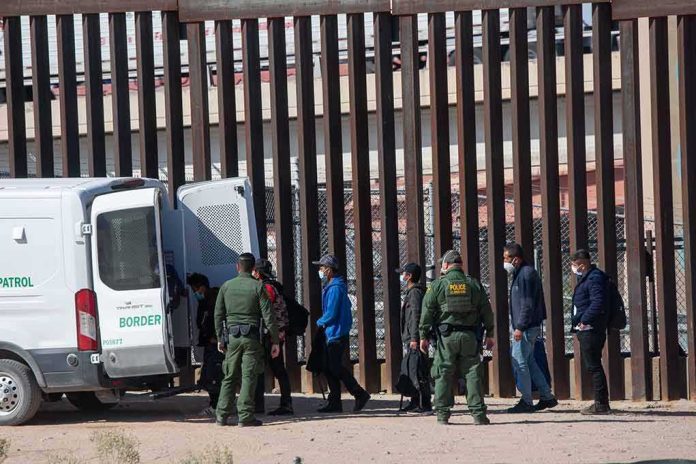
As thousands of people surged from Morocco into Spain’s tiny enclave of Ceuta, a border long treated as secure suddenly looked wide open.
Story Snapshot
- Thousands of migrants crossed from Morocco into Ceuta in days, overwhelming local border security and shelters.
- Ceuta’s president says the city faces a “total humanitarian and social emergency” and is demanding a national emergency and military support.
- Spain’s Interior Ministry is cautious about using emergency powers, exposing tension between local officials and central authorities.
- The crisis echoes earlier mass crossings in Ceuta, highlighting deeper problems in European border policy and global migration pressures.
Border Crossing Turns Into Sudden Mass Influx
Local officials in Ceuta report that more than 1,500 migrants reached the small Spanish territory by sea from Morocco in just a few days, many of them swimming around border fences or along the coast. Authorities say that hundreds more arrived overnight and into Thursday, turning a sharp rise in arrivals into a full-blown mass influx. One official described the frontier as having “totally collapsed,” with thousands crossing and border police unable to contain the flow at key beaches and breakwaters.
Most of the new arrivals are reported to be young men and teenagers from Morocco, though families and children are also present. Spanish Civil Guard units, maritime rescue crews, and Red Cross workers are using boats to pull swimmers from the sea, trying to prevent drownings and move people to safer areas. Some migrants did not survive the journey; Ceuta’s leader says around 60 bodies have been found at sea over the past year, and more deaths are feared in the latest crossings.
Ceuta Declares Humanitarian Emergency And Pleads For Help
Juan Jesús Vivas, president of Ceuta’s regional government, has publicly declared what he calls a “total humanitarian and social emergency,” warning that local capacity has broken down. He says reception centers are “collapsed and saturated,” with hundreds of migrants now sleeping on the streets outside overcrowded shelters. Vivas argues that Ceuta, a city of only about 20 square kilometers, cannot safely host this number of people without outside support from Spain’s national government and other regions.
Facing the sudden influx, Ceuta has formally asked Madrid to declare a national emergency on grounds of national security and to send army units to the border. Vivas says more police and soldiers are needed “to guarantee the inviolability of the frontier and citizen safety,” reflecting concern not only for migrants but also for residents who feel their city is being overwhelmed. This request taps into broader worries many Americans share about borders, state capacity, and leaders who seem slow to act when systems visibly fail.
Madrid’s Cautious Response And Old Fault Lines In Europe
Spain’s Interior Ministry, which tracks irregular migration, has so far avoided using emergency language, saying it will confirm numbers only in its next regular report. As of mid-July, the ministry counted nearly 3,000 migrants entering Ceuta by land or sea in 2026, even before the latest surge. This gap between local claims of “thousands” crossing in hours and national caution is familiar: ministries often resist emergency labels because they trigger legal duties, budget shifts, and potential diplomatic fallout.
This crisis also fits a pattern Europe has seen before in Ceuta. In 2021, about 8,000 people, including 1,500 minors, crossed from Morocco into Ceuta over two days, mostly by swimming, creating an immediate humanitarian emergency as Spain struggled to cope. Officials then deployed troops, rushed supplies, and negotiated rapid returns to Morocco. Today’s events echo that shock, but they come after years of warnings that reception systems, child care services, and border forces in Ceuta remain stretched thin even in “normal” months.
Why This Matters Beyond Spain’s Tiny Enclave
For many Americans watching from afar, Ceuta’s crisis feels less like a distant story and more like another sign that Western governments are losing control of key systems. On one side, people worry about border security, law enforcement, and the risk that overwhelmed cities cannot protect residents or migrants. On the other, people see desperate individuals risking their lives because global inequality and regional conflict leave them few options for work or safety.
Under Spain’s bilateral agreements with Morocco and EU border policies, adult migrants intercepted crossing the border fences or swimming into Ceuta are subject to fast-track expulsion or return to Moroccan authorities.
— 🐾Philly Puppy🐾 (@liberalpuppy) July 30, 2026
Ceuta shows how quickly a border that looks “managed” can swing into chaos when larger forces shift. Social media calls for mass crossings, court decisions that change how swimmers are treated, and changing ties between Spain and Morocco all play a role in where pressure lands. When that pressure hits a small city with limited shelters and staff, local leaders shout “emergency” while central governments count numbers and wait for reports. Many Americans on both left and right will recognize that gap: a feeling that officials far from the problem argue over labels while people on the ground live with the fallout.
Sources:
humanevents.com, france24.com, aljazeera.com, youtube.com, atalayar.com, facebook.com, euronews.com, en.ara.cat, reliefweb.int, abcnews.com, revistas.comillas.edu