
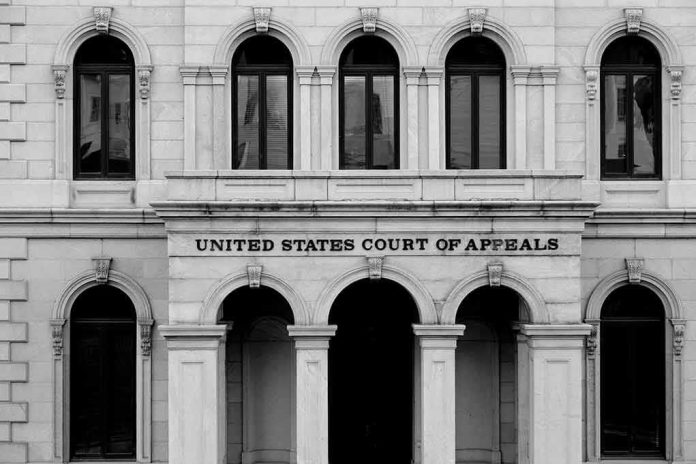
An appeals court refused to pause sanctions in President Trump’s $10 billion IRS case, keeping a lower court’s explosive “collusion” finding in effect during the appeal.
Story Highlights
- A three-judge panel kept sanctions active while Trump’s appeal moves forward.
- The panel said the lawyers did not show they were likely to win on appeal.
- The district judge had found the IRS lawsuit and settlement were collusive and in bad faith.
- The ruling is a stay denial, not a final judgment on the sanctions’ merits.
Appeals Panel Keeps Sanctions in Place During the Appeal
The Eleventh United States Circuit Court of Appeals on September 29 declined to freeze sanctions tied to President Trump’s lawsuit against the Internal Revenue Service. The panel saw no strong showing that the sanctions would be overturned and left restrictions in place while the appeal continues. No dissents were noted in the order, which means the emergency request failed across the panel. The court emphasized that the bar referral was not a final order and the stay standard was not met.
The ruling means the district court’s limits on citing the settlement remain active while the case proceeds on the merits. That practical effect matters in public debate. Headlines saying “sanctions remain” do not equal a final win for the lower court. A denied stay preserves the status quo. It does not decide who is right in the end. That is how appellate procedure works in fast-moving, high-profile fights.
District Court Found Bad Faith and “Collusion” in IRS Settlement
United States District Judge Kathleen Williams earlier found the lawsuit was used to gain improper benefits through a settlement structure, including a large fund idea linked to allies, and she imposed sanctions on Trump’s attorneys. She also referred attorney Alejandro Brito to the Florida Bar and temporarily restricted another lawyer’s ability to appear in the district. Those steps signaled how serious the court viewed the conduct, and they now shape the posture on appeal while briefing continues.
Multiple outlets reported the appeals panel said Trump’s lawyers did not submit evidence that explained their conduct or rebutted the lower court’s bad-faith and collusion findings. That point cut against the stay request, which demands a strong case for success and other factors like harm and public interest. The court’s denial keeps the lower court’s order in place for now, as the full appeal moves on a separate, slower track.
Trump Team’s Position and the Core Dispute
Trump’s legal team argues the Internal Revenue Service failed to stop a politically driven leak of Trump’s private tax information, and they say the lawsuit was a proper way to hold wrongdoers to account. They maintain the case aimed to protect privacy and push back on weaponized bureaucracy that has targeted conservatives for years. That is the frame they offer for why the suit was filed and why the settlement talks made sense at the time.
Reuters reported that both Trump’s lawyers and the Department of Justice asked the appeals court to pause the sanctions while the appeal proceeds. The panel rejected that joint request, saying the applicants did not show they were likely to succeed on the argument that the district court lacked a basis for its bad-faith findings. The decision lets the lower court’s conclusions govern for now, but it is not a final say on the merits.
Why a Stay Denial Is Not the Final Word
Appellate courts use a high bar to grant emergency relief. The moving party must show a strong chance of winning later and other factors like irreparable harm. Many stay denials turn on that demanding test, not a final view of who is right. That is why legal experts warn that “the court refused to pause sanctions” is not the same as “the court agreed with every finding” below. The case will continue through full briefing and argument.
For readers wary of government overreach and politicized agencies, the core issue remains the alleged leak of private tax data and whether courts will fairly weigh the response. The current ruling keeps restrictions in place during the appeal. The final outcome will come later, after full review. Until then, the fight over due process, equal treatment, and the limits on executive agencies stays front and center for anyone who cares about the rule of law.
Sources:
thegatewaypundit.com, cnbc.com, lawcommentary.com, politico.com, thehill.com, yahoo.com, tradingview.com