President Trump put every public school on notice: telling kids they’re “trapped in the wrong body” will be treated as child abuse.
Story Highlights
- Trump tied K-12 gender policies to federal child-protection enforcement.
- An executive order directs agencies to investigate schools and threaten funding over gender ideology practices.
- Officials say concealment from parents and social “transition” at school can trigger federal action.
- Advocacy groups and some education bodies dispute the framing, keeping legal fights active.
What Trump Said And Why It Matters
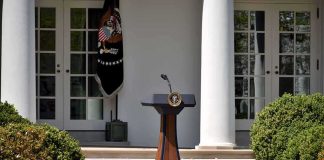
President Trump stated that any public school telling a child they are “trapped in the wrong body” is committing child abuse. He delivered the warning during back-to-school remarks and repeated that schools are now “on notice” nationwide. The statement marks a clear federal stance. It sets a moral line and a policy line. It signals that Washington will treat some gender policies as harms to children. It also sets up enforcement through agencies that control funds.
The White House paired the speech with executive action. Executive Order 14190, “Ending Radical Indoctrination in K-12 Schooling,” lists practices like changing names or pronouns, calling a child nonbinary, and allowing access to opposite-sex facilities or sports as targets for review. The order directs agencies to rescind or withhold funding and pursue investigations tied to those practices in schools. That creates leverage many districts cannot ignore.
The Enforcement Tools The Administration Is Using
A White House proclamation for National Child Abuse Prevention Month connected these school practices to child protection authority. It cited a separate order blocking transgender “indoctrination” and cutting taxpayer funds from institutions that engage in youth “sexual mutilation”. While that language is tough, it shows intent to use federal power. It tells schools the issue is not only culture. It is also compliance, grants, and potential civil-rights exposure.
Policy coverage early in the term reported major shifts. Education Week wrote that first-week actions reversed prior protections for transgender students and restored a male-female definition of sex in policy affecting schools. That change ripples through Title IX enforcement, guidance letters, and complaint handling. It also sets a baseline for how the Department of Education’s civil-rights office weighs bathroom access, pronouns, and sports. Districts now face clearer consequences if they ignore parents or bypass biological sex.
Parental Rights And School Practices Under Scrutiny
Senior officials reinforced the child-abuse frame. Adviser Stephen Miller said changing a child’s gender at school, especially without telling parents, is child abuse and would face Department of Justice action. The administration’s focus puts parent notification at the center. If a teacher or counselor socially transitions a student, federal investigators can ask who decided, who knew, and whether parents were informed. That pressure challenges district policies that keep parents out.
The executive order’s list of flagged practices blends social affirmation with access to facilities and sports. That sweep is broad. Supporters argue it is needed to stop ideology in classrooms. Critics say it lumps different issues together. The available record shows that while the White House sets the abuse label, courts have not issued a clear nationwide rule on whether ordinary school affirmation equals abuse. That leaves some legal questions open, even as federal agencies act.
Pushback From Advocacy Groups And Ongoing Legal Fights
Advocacy groups and some education organizations argue the policy harms transgender students. Lambda Legal said the order puts students in danger and removes protections. Education Week highlighted the reversal of prior guidance and warned of conflict across districts. These responses show a live dispute. They do not control federal executive power, but they do signal lawsuits, media pressure, and state-level resistance that can slow changes in some places.
🚨 TRUMP WARNS PUBLIC SCHOOLS OVER TRANSGENDER GUIDANCE.
WASHINGTON, UNITED STATES – President Donald Trump issued a sweeping warning to public schools, declaring that telling a child they are “trapped in the wrong body” amounts to child abuse. The statement marks the latest… pic.twitter.com/FBaEOSMDby
— The Content Factory (@tcf_updates) August 25, 2026
For parents, the practical takeaway is clear. The Trump administration has moved from words to rules. It linked gender lessons and social transition at school to child protection, funding, and investigations. Districts that hide information from families or steer minors into identity changes on campus now face federal risk. Families who want schools to stick to reading, math, and science, respect biology, and honor parental rights have new tools to demand change and hold leaders accountable.
Sources:
en.wikipedia.org, williamsinstitute.law.ucla.edu, whitehouse.gov, youtube.com, singjupost.com, out.com, nytimes.com