More than a decade after 43 students vanished in Mexico, the arrest of a former governor over an alleged cover-up shows how deeply government power can be used to hide the truth instead of protect the people.
Story Snapshot
- Mexican authorities arrested former Guerrero governor Ángel Aguirre over claims he helped hide key evidence in the 2014 disappearance of 43 students.
- Prosecutors say new witness testimony links Aguirre to orders to collect and destroy surveillance video that could show what happened.
- The Ayotzinapa case is officially labeled a “crime of the state,” involving several layers of government and ties to organized crime.
- The arrest is part of reopened investigations under President Claudia Sheinbaum, raising fresh questions about political accountability and impunity.
Former governor’s arrest over alleged evidence cover-up
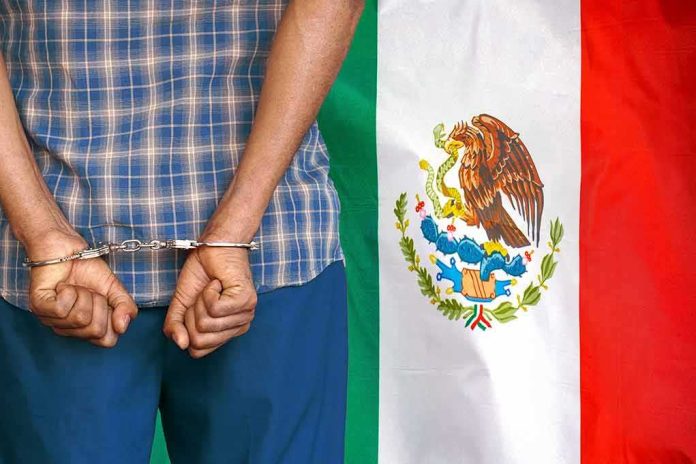
Mexican federal prosecutors say former Guerrero state governor Ángel Aguirre has been arrested for his alleged role in hiding evidence linked to the disappearance of 43 student teachers in 2014. Authorities report that he faces charges tied to obstruction of justice and forced disappearance, focused on claims that he helped conceal material that might show what happened that night. This move targets not street-level actors, but a former top official who once held major power in the state.
The attorney general’s office says investigators now have two testimonies gathered this year that point directly to Aguirre. According to those statements, he allegedly asked officials to hand over surveillance camera footage and then ordered the destruction of that video. Prosecutors describe the concealment as planned “from the highest levels” of the state government, suggesting other senior officials may have been involved. For families who waited more than ten years, this is a major but still limited step.
What happened to the 43 students and why it matters
The case centers on 43 young men from a rural teachers’ college in Ayotzinapa who disappeared in the city of Iguala in September 2014. Investigators say local police stopped the students, detained them, and then handed them over to a criminal group known as Guerreros Unidos. Officials later concluded there was no sign the students were alive, and only three sets of remains have been confirmed, leaving most families without answers or bodies to mourn. The case shook Mexico and drew global outrage.
Mexico’s official truth commission has described the disappearances as a “crime of the state,” meaning government actors were part of the harm, not just slow to respond. That conclusion came from records, messages, testimonies, and other evidence that showed coordination between police, criminals, and state officials. The label matters because it says the government itself helped break the law, instead of defending citizens. For many Americans who worry about a “deep state,” this is a clear example abroad of that fear made real.
Long history of failed investigations and public mistrust
Earlier official investigations into Ayotzinapa were widely criticized by independent experts and the families of the missing students. Critics said prior authorities ignored or hid the possible role of the armed forces and made serious errors in how they handled evidence. Over time, each new report or press conference seemed to change the story, which deepened public mistrust of the state’s version of events. This background helps explain why many people now question every new claim, even when prosecutors say they have stronger proof.
Under President Claudia Sheinbaum, Mexico reopened key lines of investigation and began targeting more high-level officials connected to the case. This fits a wider pattern in many countries where prosecutors bring new obstruction or evidence destruction charges years after a major human rights crime. In Ayotzinapa, the focus on “cover-up” charges shows there is still a gap between proving who hid the truth and proving who ordered the original attack. That gap keeps anger alive and leaves many families feeling the state is protecting itself, not them.
Why this case should matter to Americans watching their own government
For Americans on the right and the left who feel their own government is run by unaccountable elites, Ayotzinapa is a warning signal. Here is a case where local police, politicians, and cartel members allegedly worked together, then top officials are accused of hiding the evidence when the public demanded answers. Even after truth commission findings and arrests, most parents still do not know exactly how or why their children were killed. That level of impunity is what people fear could grow anywhere power goes unchecked.
🇲🇽⚖️ BREAKING NEWS: Mexican authorities have arrested Ángel Aguirre, the former governor of Guerrero, for his alleged role in the 2014 disappearance of 43 students from the Ayotzinapa Rural Teachers' College. This marks one of the highest-profile arrests in a case that has become… https://t.co/zeCJgo3mfc pic.twitter.com/lzHFqQ18kH
— The World Correspondent (@TheWorldCorresp) August 7, 2026
The arrest of a former governor years after the crime also shows how slowly systems move when those in charge are part of the problem. High-profile action comes only after protests, international pressure, and a change in political leadership. For U.S. readers who see both major parties blame each other while big problems linger, this story highlights a shared concern: when government officials can hide or twist evidence, the public loses trust and the basic promise of equal justice under law starts to erode.
Sources:
humanevents.com, nbcnews.com, yahoo.com, cnn.com, facebook.com, voanews.com, wsj.com, nytimes.com, ground.news