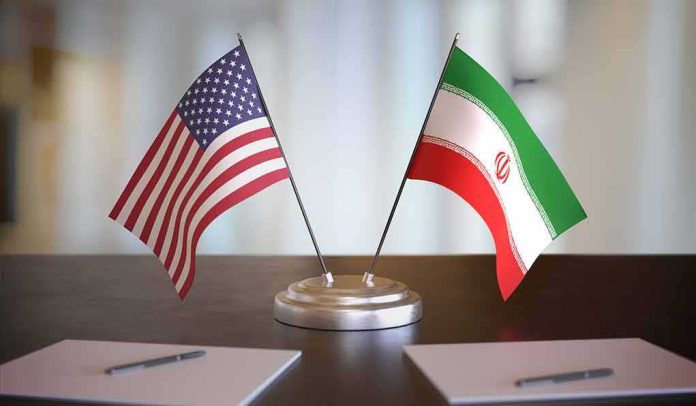
President Trump is now pressing Iran to pay up for blood, war damage, and decades of attacks.
Quick Take
- Trump said Iran should compensate Americans killed or wounded in Iran-linked violence.
- He tied that demand to Iran’s own push for compensation in peace talks.
- Trump specifically cited the USS Cole bombing and anti-government protest victims.
- The demand adds more money pressure to already tense Iran negotiations.
Trump Turns Iran’s Compensation Push Back on Tehran
President Trump said on Monday that Iran must pay compensation for Americans killed and wounded in attacks he links to Tehran. He made the demand after Iran asked for compensation of its own in wider talks over war damage, sanctions, and the future of the Strait of Hormuz.
Trump’s post on Truth Social framed the move as a direct response to Iran’s request. He said it was “an interesting idea” and then said he was “likewise demanding compensation” for people hurt in roadside bomb attacks and other conflicts. That language matters because it turns money into leverage, not just rhetoric.
Which Losses Trump Says Iran Should Cover
Trump broadened the claim beyond one event. He referenced the October 2000 bombing of the USS Cole, which the Federal Bureau of Investigation (FBI) has attributed to al Qaeda, and he said Iran should also pay families of people killed in anti-government protests. India Today reported that he also mentioned families of those killed in combat and did not explain how any payment would be calculated or enforced.
The demand fits a larger pattern in the Iran talks. Reuters reported in May that Tehran had already made compensation one of several conditions tied to ending the conflict, along with an end to the naval blockade and a guarantee against further attacks. Trump’s new demand makes the dispute look less like a narrow settlement issue and more like a hard bargaining fight over who pays for the war and who gets blamed for it.
Why the Money Demand Raises the Stakes
For Trump supporters, the move will likely look familiar: use forceful pressure, then make the other side carry the cost. It also matches the broader conservative view that enemies should not be rewarded for bad behavior. But the practical question is whether Iran would ever pay real compensation, especially while sanctions, shipping access, and military threats remain part of the same negotiation.
President Trump on Monday demanded from Iran compensation for those who have died amid the conflict, after Tehran called for compensation for damages.
The president said that, moving forward, the compensation requirement will be added to negotiations.https://t.co/uriCxPp7bf
— Ⓜ️Ⓜ️ Lauren Ashley Davis -OG Meidas Mighty 🦅 (@Meidas_LaurenA) August 10, 2026
The new demand also comes while Trump has kept the pressure high in public. Reuters reported on Saturday that he was “low-keying it” with Iran while stressing the country’s economic pain, even as talks remained unsettled. That matters because the administration is not just talking about peace. It is using the talks to shape costs, demands, and control over the next phase of the conflict.
What Comes Next in the Talks
Trump said he wants the compensation issue included in future negotiations with Iran. That means the money demand is not a side remark. It is now part of the deal structure, alongside sanctions relief, shipping access, and security terms that remain unresolved. Iran has not accepted the new U.S. demand, and reporting shows both sides still using compensation as a bargaining weapon rather than a settled legal claim.
Sources:
facebook.com, reuters.com, youtube.com, economictimes.indiatimes.com