
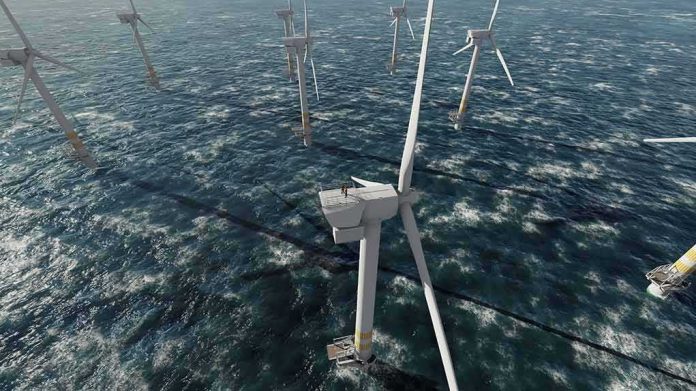
President Trump’s administration has now agreed to pay RWE $1.22 billion to walk away from offshore wind leases, extending a fast-moving policy shift that is forcing big energy developers out of the Atlantic, Pacific, and Gulf coasts.
Quick Take
- The Trump administration agreed to pay RWE $1.22 billion to cancel offshore wind leases.
- RWE will surrender three leases and shift about the same amount into new natural gas projects.
- The deal is the fifth offshore wind buyout this year and the latest sign of a broader crackdown.
- Critics say the administration is using taxpayer money to reverse prior energy deals.
RWE Deal Expands Trump’s Offshore Wind Pullback
The Trump administration will pay the German energy firm RWE $1.22 billion to abandon plans for wind farms off New York, California, and Louisiana. According to RWE, the company will voluntarily surrender three federal leases and invest about the same amount in new natural gas projects in the United States. Reuters also reported that the government will reimburse the firm roughly what it paid for the leases under the Biden administration.
This latest agreement follows earlier deals with TotalEnergies, Golden State Wind, Bluepoint Wind, and Invenergy, which together turned offshore wind cancellations into a recurring administration strategy rather than a one-time move. Reuters said the Interior Department described Invenergy’s June deal as another case of developers terminating leases and redirecting capital into other energy projects. The New York Times reported that the RWE projects were early-stage and had little chance of moving forward under the Trump administration’s halted federal permitting process.
Administration Says Offshore Wind Is Too Costly
The administration has framed the buyouts as a common-sense break from what it sees as a costly and unreliable energy model. The Interior Department said Americans would no longer pay for “ideological subsidies” that helped an “unreliable and costly offshore wind industry,” according to Associated Press reporting. Reuters likewise reported that administration officials view offshore wind as costly and inefficient. That message fits President Trump’s long-running opposition to wind power and his push for more conventional energy sources.
The public reporting also shows where some of the money is going. RWE said it will put about the same amount into new natural gas projects, while earlier reports said TotalEnergies planned to use refunded lease money for liquefied natural gas work in Texas and other oil and gas investments. Reuters reported that Invenergy said its funds would go toward natural gas power plants and geothermal projects. For Trump supporters, the appeal is clear: stop subsidizing projects the administration sees as weak and redirect capital toward dispatchable energy.
Legal Questions And State Challenges Remain
The legal and political fight around the deals is not over. Reuters reported that seven states sued over the TotalEnergies cancellation, arguing that the administration improperly used a government fund meant for legal settlements even though there was no active litigation between the parties. The Conversation and other outlets also raised concerns about whether the Treasury Judgment Fund was the right vehicle for the payments.
🚨 US PAYS $1.2B TO HALT WIND PROJECTS! 🇺🇸💨
The Trump admin just agreed to pay German firm RWE $1.2 billion to cancel ongoing U.S. offshore wind projects.
This massive payout continues a major policy shift away from wind power! 🛑⚡️ pic.twitter.com/WTY2PbaBkh
— Global Insight (@GlobalInsight20) August 7, 2026
That challenge matters because the administration has presented these agreements as voluntary settlements, not simple giveaways. The New York Times reported that the RWE agreement was meant to resolve legal disputes over the leases, while the company said there was no path forward for the projects under current federal policy. The broader pattern is unmistakable: Washington is using permitting power, lease control, and settlement leverage to shut down offshore wind before many projects can reach construction.
Sources:
fortune.com, npr.org, apnews.com, bloomberg.com