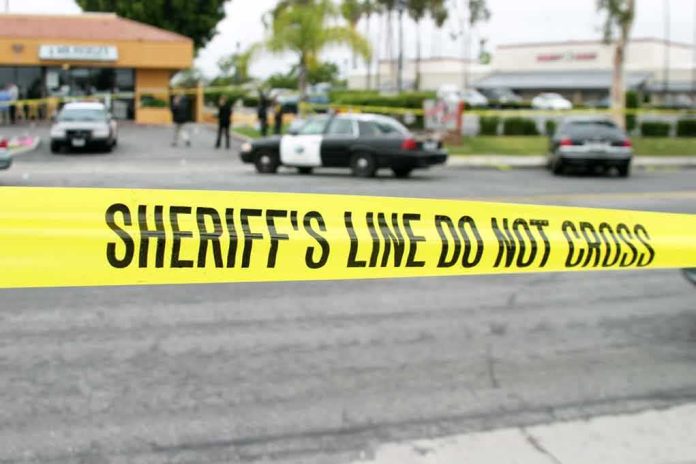
Three people were killed and two others were hurt in a fast-moving shooting at an In-N-Out Burger in Twin Falls, and the suspect question changed as the scene unfolded.
Quick Take
- Police and multiple outlets confirmed **three deaths** and **two injuries**.
- Officials described the event as an **active shooter incident** and told people to avoid the area.
- Reports placed the shooting at or near the **In-N-Out Burger in Twin Falls, Idaho**.
- The investigation was still open, and key details were not fully clear in early reports.
What Authorities Confirmed
Twin Falls police and city officials said three people died and at least two others were injured after shots were fired near the restaurant. NBC News reported that police described it as an active shooter incident, and local officials urged the public to stay away while emergency crews worked the scene.
That first wave of reporting also showed how quickly facts can shift during a violent emergency. Early coverage from major outlets agreed on the broad toll, but some details, including the exact location and whether the suspect was dead, were still being sorted out as police briefed reporters and reviewed what happened.
What Remained Unclear
The strongest reports did not settle every question. CBS News said the shooting happened in the area of the In-N-Out restaurant and that the suspect remained at large at the time of its report, while other coverage said the shooter was believed to be dead. That kind of split is common in the first hours of a mass-casualty scene, when hospitals, dispatchers, and officers are still matching records.
Officials also had not released victim names, a motive, or a final forensic account in the material provided. The absence of those details does not weaken the reported death and injury counts, but it does mean the public still lacked the facts needed to fully explain how the attack started and who was responsible.
Why This Story Matters Beyond Twin Falls
The episode fits a larger pattern in breaking-violence coverage. Early numbers often come from police briefings, witness video, and emergency traffic, then get refined as investigators close gaps. That process can frustrate readers on every side because people want clean answers fast, while the real record is still being built in public.
At this time, numerous emergency crews are responding to an active shooter at an In-N-Out Burger restaurant in Twin Falls, Idaho, where multiple people have reportedly been injured. According to authorities, they are looking for possibly two suspects involved in the shooting …
— SANJEEV CHAUHAN (@SanjeevCrime) August 2, 2026
It also shows how much power sits in a small circle of official sources during a crisis. When roads are closed, cameras are limited, and eyewitness clips spread online, one police update can shape the national story before documents, medical records, or a full scene review are available. For many Americans, that gap between first reports and final facts is part of a broader trust problem.
Sources:
independent.co.uk, youtube.com, ksl.com, cbsnews.com, gbnews.com, apnews.com, abc7.com