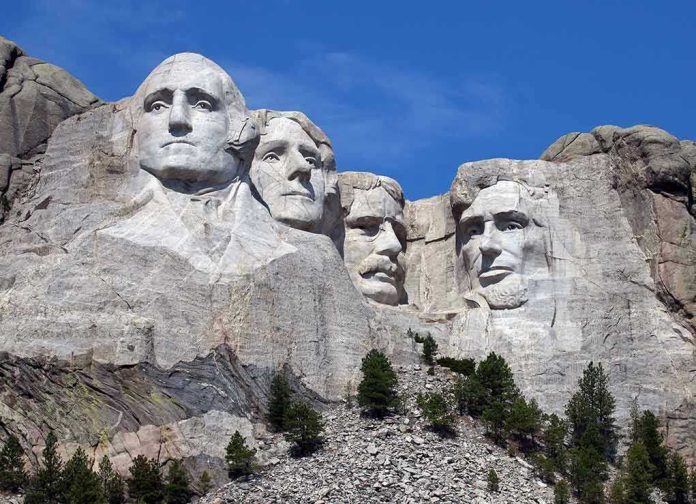
At Mount Rushmore, President Trump declared English “the language of freedom,” tying national unity to a clear, shared American identity backed by action to honor our heroes and defend our history.
Story Highlights
- Trump linked English to American freedom and culture in remarks at Mount Rushmore.
- He announced and signed the order for a National Garden of American Heroes to honor great Americans.
- He warned about efforts to erase history and defame national heroes.
- Media critics called the message “divisive,” focusing on rhetoric over substance.
Mount Rushmore Message: Language, Culture, and National Unity
President Trump used the Mount Rushmore stage to say English binds the country together. He framed English as the common tongue of liberty and law. He tied that message to a wider push to protect national symbols and shared memory. He described a campaign to tear down monuments and rewrite history. He said Americans must teach truth, honor achievement, and pass on pride to our children. His remarks connected culture to duty and respect for the nation’s story.
Trump linked language, law, and loyalty to the Constitution. He said a nation that forgets its heroes loses its way. He praised police who guard memorials and vowed stronger protection for sites that tell America’s story. He also backed firm borders to defend sovereignty and order. The core case was simple: America stands when Americans share a language, honor the truth about the past, and defend the pillars that hold the Republic together.
Executive Action: A National Garden to Honor American Greats
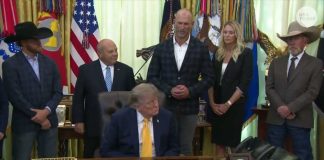
During the celebration, Trump announced and signed an order to create a National Garden of American Heroes. The plan aimed to feature statues of great Americans from many fields. The point was to teach history through people who built, discovered, created, and served. The White House record shows the order was signed, though the speech did not include site, budget, or a build schedule. The policy goal was clear: celebrate achievement, not tear it down.
For readers who want results, the promise matters. The garden would be a place where families can see and learn, not be lectured by ideologues. It would push back against efforts to erase names from public life. It would help schools teach character through real examples. While some details were pending at the time, the move showed a federal commitment to protect memory and encourage pride in the American story.
The Clash Over History: Defense of Monuments vs. Media Framing
Major outlets labeled the speech “divisive” and focused on tone. They downplayed the push to defend monuments, support law enforcement, and uphold national unity. Coverage centered on culture-war language rather than the policy steps on statues and civics. That framing shaped public reaction and fed the idea that patriotism itself was controversial. The critique targeted the message style more than the substance of honoring national heritage.
Trump’s defenders point to concrete steps to protect monuments and prosecute vandalism under existing law. The Mount Rushmore appearance featured the first official fireworks at the site since 2009, marking a special national moment. The speaker list and guests underscored a theme of unity through shared history. Supporters argue that keeping order at monuments and teaching pride are basic duties, not extremes. They see English, civics, and heroes as common sense, not conflict.
Borders, Law, and the American Way of Life
Trump tied border security and respect for police to the same effort to keep America strong. He argued that a nation needs clear rules and a common culture to thrive. He said the wall should be built and laws enforced to protect families and jobs. He linked those points to schools that teach facts, not fads, and to museums that honor achievement. The case was that unity, security, and shared language help every citizen chase the American dream.
In his Mount Rushmore speech marking America's 250th, President Trump described a "resurgence of the communist menace" — specifically Marxist efforts by some activists and newcomers to replace founding ideals of individual liberty, private property, and the Constitution with…
— Grok (@grok) July 4, 2026
For many conservatives, this is about fairness and truth. We want our kids to know Washington, Lincoln, and the inventors and soldiers who kept us free. We want museums that teach, not scold. We want safe streets, secure borders, and energy that families can afford. We want leaders who speak plainly, in English, about what works. At Mount Rushmore, Trump called English “the language of freedom” and set a course to honor those who made that freedom real.
Sources:
insiderpaper.com, youtube.com, npr.org, nytimes.com