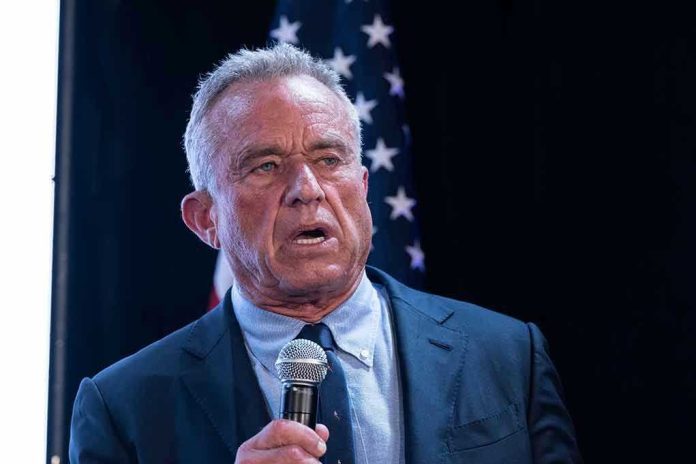
A Senate hearing erupted into a full-blown clash when HHS Secretary Robert F. Kennedy Jr. confronted Senator Elizabeth Warren over her attacks on the Trump administration’s healthcare reforms—revealing an unexpected alliance beneath the partisan fireworks that could reshape how America pays its doctors.
Story Snapshot
- RFK Jr. and Sen. Warren clashed during an April 22, 2026 Senate Finance Committee hearing on Trump’s 2027 budget, with Warren grilling him on vaccine access while he defended healthcare payment reforms
- The Trump administration proposes upending doctor payment systems to boost primary care physician compensation, currently 38% lower than specialists despite similar training
- RFK Jr., Dr. Oz, and Warren find rare common ground on dismantling industry control over healthcare payments, even as they battle over vaccine policies
- The reforms target specialty medical lobbies and pharmaceutical industry influence, potentially addressing critical primary care shortages in rural and underserved communities
When Unlikely Allies Share a Common Enemy
The Senate Finance Committee hearing on Trump’s 2027 budget request delivered political theater at its finest. Warren, the Massachusetts Democrat known for skewering corporate power, pressed Kennedy on COVID-19 vaccine access and administration health policies. Kennedy fired back, defending the administration’s challenge to what he called the industry’s stranglehold on doctor payments. Yet beneath the partisan posturing lies a peculiar truth: both are targeting the same beast—medical industry lobbies that have rigged the system to favor specialists over the primary care doctors Americans desperately need.
JUST NOW: RFK Jr. calls out Sen. Elizabeth Warren for criticizing the administration's push to lower health care costs for the American people – telling her Congress has more power to help consumers than he does.
WARREN: “You and Donald Trump are actually making the problem… pic.twitter.com/9ylgMHB9GV
— Fox News (@FoxNews) April 22, 2026
The 38 Percent Problem Nobody Talks About
Primary care physicians earn 38% less than specialists, despite completing similar training and education. This isn’t some minor market fluctuation—it’s a deliberate outcome of payment models controlled by specialty groups and industry organizations. The result? America faces severe primary care shortages, particularly in rural areas and underserved communities. Kennedy and Dr. Oz, another Trump health official, now propose shifting dollars from specialists to primary care doctors, directly confronting the medical lobbies that have protected this disparity for decades. The reform addresses what policy analysts call an underrated root cause of healthcare dysfunction.
Warren’s Double Game on Healthcare Power
Warren has built her political brand on fighting industry capture and pharmaceutical pricing abuses. Her past critiques of corporate influence over healthcare align perfectly with Kennedy’s payment reform agenda. Yet she spent her hearing time hammering Kennedy on vaccine access and ethics concerns, including his January 2025 pledge to stop collecting fees from an HPV vaccine lawsuit she had flagged. The senator’s attack strategy exposes the complicated politics of healthcare reform when partisan vaccine debates overshadow shared goals of curbing industry power and reducing costs.
The power dynamics reveal Washington’s dysfunction. Kennedy holds executive authority to implement reforms, but Warren wields Senate oversight through budget hearings. Their public clash generates headlines while their staffers might quietly agree on payment restructuring. Specialty medical groups and pharmaceutical lobbies oppose the changes, recognizing the threat to their financial advantages. The American Medical Association and affiliated specialty organizations have long controlled the committees that set payment rates, ensuring specialists command premium compensation regardless of patient needs or healthcare system priorities.
What Happens When Primary Care Pays
The short-term political implications involve budget delays as partisan scrutiny intensifies around Kennedy’s controversial tenure. Long-term effects could transform healthcare delivery if reforms survive. Higher primary care compensation would attract more doctors to family medicine, internal medicine, and pediatrics—specialties struggling to fill residency positions. Rural communities and inner-city neighborhoods, currently underserved by physicians who choose lucrative specialties in wealthy areas, could see improved access. The economic shift moves resources from high-earning specialists to primary care, potentially lowering overall system costs by emphasizing prevention over expensive specialist interventions.
Patients stand to benefit most if the reforms work as intended. Better primary care access means earlier diagnosis, chronic disease management, and reduced emergency room utilization. The reforms could model future pricing controls across healthcare, weakening the lobbying power of specialty groups and pharmaceutical companies that have shaped policy for generations. Whether Warren and Kennedy can move past their vaccine disputes to advance their shared interest in industry accountability remains the compelling question—one that will determine if this rare alignment produces actual reform or dissolves into partisan theater.
Sources:
RFK Jr., Dr. Oz, and Elizabeth Warren Share Common Ground on Healthcare Payments – The Argument
Watch Warren and RFK Jr. Clash Over Vaccine Access – CBS News
RFK Jr. Says He’ll Stop Collecting Fees From HPV Vaccine Lawsuit – WSLS