Three young brothers drowned in a frozen Texas pond after each one tried to save the other, sacrificing their own lives in a chain of heroism that ended in unspeakable tragedy.
Story Snapshot
- Howard, 6, Kaleb, 8, and EJ, 9, died Monday after falling through ice on a private pond in Bonham, Texas during a deadly winter storm
- The youngest brother went in first, and his older siblings entered the freezing water trying to rescue him in succession
- Mother Cheyenne Hangaman attempted rescue but froze in the water herself before being pulled out by neighbors with rope
- The tragedy occurred while the family stayed at a friend’s house, with all three boys attending Bonham Independent School District
- The deaths contributed to a winter storm that claimed over 40 lives nationwide across multiple states
When Brotherhood Becomes Fatal
The Hangaman brothers were playing near a frozen pond across from a friend’s house Monday afternoon when six-year-old Howard ventured onto the ice. When he broke through, eight-year-old Kaleb went in after him. Nine-year-old EJ, watching his brothers struggle, made the same fatal choice. Their sister ran for help, but by then all three boys were submerged in water cold enough to stop a heart in minutes. Their mother described them as siblings who fought constantly but would never abandon each other. That loyalty, beautiful in most circumstances, turned deadly when nature stacked the odds against them.
A Mother’s Impossible Choice
Cheyenne Hangaman heard her daughter’s screams and sprinted to the pond. She jumped into the frigid water without hesitation, a mother’s instinct overriding basic survival calculations. The cold seized her body almost immediately. She couldn’t move, couldn’t swim, couldn’t reach her sons. A neighbor threw her a rope while local high school football coach John Ramsay arrived to assist. First responders pulled two of the boys from the water and rushed them to the hospital, but neither survived. Divers recovered Howard’s body after an extensive search. Hangaman now faces an incomprehensible reality: she lost half her six children in minutes.
The Storm That Kept Killing
The Bonham tragedy unfolded during a winter storm that transformed much of America into a frozen death trap. The system dumped ice, snow, and sleet across states unaccustomed to such brutal conditions, canceling schools and making roads impassable. Fannin County, sixty miles northeast of Dallas near the Oklahoma border, experienced temperatures cold enough to freeze ponds solid on the surface while leaving the ice dangerously thin underneath. The storm claimed at least 40 lives nationally, with North Texas suffering multiple fatal incidents. Just two days earlier, sixteen-year-old Elizabeth Angle died in Frisco during a sledding accident when a sled pulled by a Jeep hit a curb and tree. Another girl remained on life support.
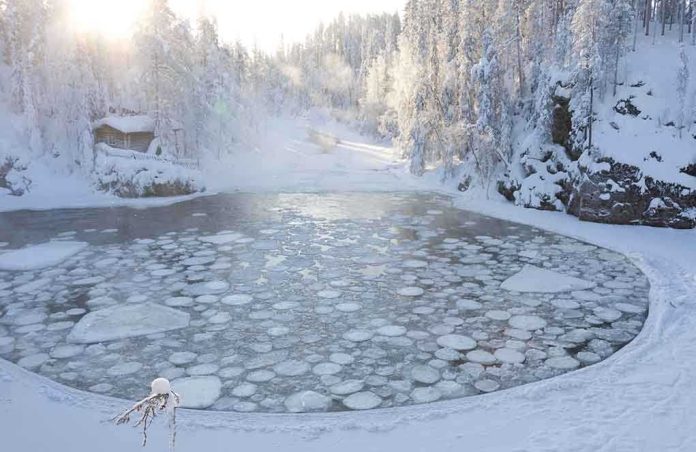
Rural communities like Bonham face unique dangers during extreme weather. The town of 10,000 residents lacks the infrastructure of larger cities, and private ponds dot the landscape without warning signs or barriers. Families often stay with friends during power outages or when roads become impassable, as the Hangamans did. These informal arrangements, necessary for survival during storms, can place children in unfamiliar environments where hidden dangers lurk beneath innocent-looking surfaces. The pond that killed the Hangaman brothers remained frozen solid Tuesday, a deceptive sheet of white covering the water that had taken three lives.
The Heroism Nobody Wanted
Coach John Ramsay downplayed his role in the rescue attempt, telling reporters any person would have done the same if they were close enough to help. That humility reflects the character rural communities value, but it cannot diminish the courage required to approach a frozen pond that had already claimed three children. The neighbor who threw the rope to Hangaman likely saved her life, preventing a mother from joining her sons in death. First responders who pulled the older boys from the water and attempted revival knew the odds were grim but tried anyway. These are the people who make small towns function during crises, ordinary citizens who become emergency responders because nobody else is coming.
Bonham Independent School District Superintendent Lance Hamlin expressed devastation at the unimaginable loss. The district closed Monday and Tuesday due to dangerous conditions, but no closure could have prevented what happened on private property during a family emergency arrangement. School counselors stood ready to support students and staff processing grief over classmates who would never return. A memorial appeared at the pond site, flowers and notes marking ground that should have been off-limits but looked safe enough to curious children who had never experienced ice thick enough to walk on.
The Questions That Haunt
Hangaman told reporters she expected her sons to try saving each other because that’s what brothers do. EJ loved football. Kaleb was sweet. Howard was goofy. They fought like siblings but protected each other when it mattered. The ice gave them a test no child should face, and they passed it in the worst possible way. Each boy made the brave choice, the selfless choice, the choice that killed them. Parents across Texas now face conversations about ice safety, about when heroism becomes suicide, about teaching children that some situations require running for help instead of jumping in. These are impossible lessons to convey to young minds that believe love conquers all obstacles.
The broader implications extend beyond one family’s tragedy. Winter storms increasingly push into regions unprepared for sustained freezing temperatures. Texas, which suffered catastrophic failures during the 2021 freeze, continues struggling with infrastructure designed for heat, not cold. Private ponds lack regulation, and rural families often lack access to emergency services that arrive quickly in cities. The Hangaman brothers died despite rapid response from neighbors, a coach, and first responders. In more remote areas, help might not come at all. Communities must grapple with whether informal warnings suffice or whether dangerous water features require fencing, signage, or seasonal barriers that acknowledge reality: children will explore, and ice will deceive.
Sources:
3 young brothers in Texas die after falling through icy pond – ABC News
Young brothers die trying desperately to help each other in icy pond during winter storm – Fox News
3 brothers die in icy pond in Fannin County during winter storm – Fox 4 News
Three young brothers die after falling into icy Texas pond – WTOP News