America’s most decorated military heroes just received a financial recognition that should have happened decades ago.
Quick Take
- President Trump signed the Medal of Honor Act on December 1, 2025, increasing annual pensions for living recipients from $16,880 to approximately $67,500, nearly quadrupling their compensation
- The legislation achieved unanimous bipartisan passage in both the House and Senate after a five-year legislative push led by Rep. Troy Nehls and Senator Ted Cruz
- Approximately 61 to 63 living Medal of Honor recipients will benefit from this increase, totaling roughly $3.1 to $3.2 million in additional annual federal spending
- Many Medal of Honor recipients travel the country as goodwill ambassadors sharing their stories to inspire future generations and support military recruitment, often without compensation for these public engagements
A Debt That Finally Gets Acknowledged
For decades, America’s most decorated military personnel operated under a compensation system that bordered on insulting. Medal of Honor recipients, individuals whose acts of valor transcend normal military service, were receiving just $16,880 annually. Consider that figure against the weight of what it represents: extraordinary courage under circumstances most of us cannot fathom, combined with ongoing service to the nation as living symbols of military heroism. The gap between recognition and reward had become glaring.
The Legislative Journey Nobody Expected to Succeed
Five years of legislative effort preceded this moment. Rep. Troy Nehls from Texas championed the bill in the House while Senator Ted Cruz fought for it in the Senate. What made this remarkable was not just the sponsorship but the response: unanimous passage in both chambers. In an era of partisan gridlock, Medal of Honor recipients managed to unite Congress. Senator Cruz spoke on the Senate floor in November 2025, recognizing nine Medal of Honor recipients living in Texas, including Lieutenant Colonel William Swenson and Colonel Paris Davis, emphasizing why this legislation mattered.
President Trump signed H.R. 695 into law on December 1, 2025, completing what seemed like an unlikely legislative victory in today’s polarized environment. The speed and unanimity suggested something deeper: genuine bipartisan recognition that these individuals deserved better.
What This Means in Real Numbers
The pension increase represents an annual boost of approximately $50,620 per recipient. For sixty-one to sixty-three living Medal of Honor recipients, that translates to roughly $3.1 to $3.2 million in additional annual federal expenditure. More importantly, it means Medal of Honor recipients can finally stop choosing between their public service as goodwill ambassadors and their family’s financial security. Many recipients were not retired from the military and received no compensation for traveling across the country telling their stories.
The Real Service Nobody Talks About
Here’s what most people miss: Medal of Honor recipients don’t retire from service after receiving their decoration. They become ambassadors. They travel relentlessly, sharing stories that inspire future generations and strengthen military recruitment and retention. They serve without asking for recognition or demanding special treatment. Rep. Nehls captured this perfectly: “Medal of Honor recipients truly embody the best of our nation. Many of the living Medal of Honor recipients spend most of their time traveling our country, telling their stories inspiring the next generation of America’s heroes.”
These individuals were essentially volunteering their time while maintaining their own households. The financial burden was real, and the nation was benefiting from their sacrifice without properly accounting for the cost.
A Rare Moment of Consensus
The American Battlefield Trust celebrated the legislation, with President David Duncan stating that Medal of Honor recipients are “living embodiments of heroism in the most trying of times and serve as goodwill ambassadors for veterans and their families.” The organization recognized that these recipients understand their responsibility to fallen comrades and commit themselves to service even after military duty ends, educating the public about the human cost of defending freedom.
Senator Cruz’s closing statement captured the moral essence: “We see you. We remember you. We are grateful for you.” In a Congress fractured over nearly everything, Medal of Honor recipients somehow managed to be the exception, the issue where America remembered its values.
What Comes Next
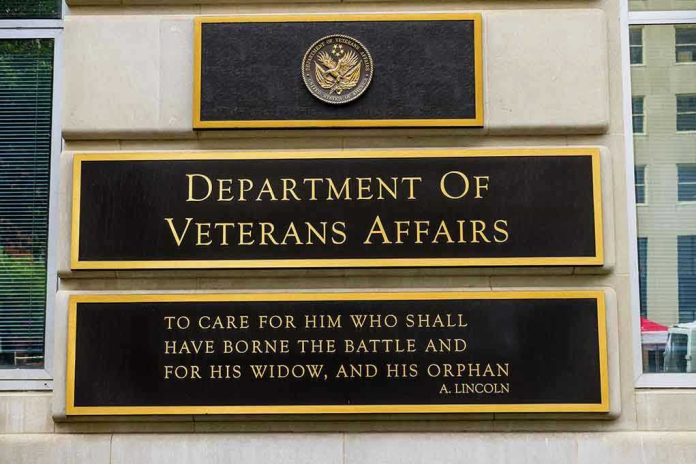
The Department of Veterans Affairs now implements these pension increases. Living Medal of Honor recipients transition from $16,880 to approximately $67,500 annually. The legislation establishes precedent for recognizing inadequacies in veteran support and correcting them through decisive action. It also creates a framework ensuring future Medal of Honor recipients receive appropriate compensation from the start, preventing similar gaps from developing again.
This law signals that America finally understands what should have been obvious all along: those who give everything deserve more than symbolic recognition. They deserve support that reflects the magnitude of their sacrifice.
Sources:
Fox News: Trump signs Medal of Honor Act to raise pensions for America’s military heroes
American Battlefield Trust: Trust Celebrates Medal of Honor Act Becoming Law
White House Official Briefings: Congressional Bills H.R. 695 and H.R. 2483 Signed Into Law